
Ask any roots fan to settle Bob Marley vs Peter Tosh and you will get an argument, not an answer. One became reggae’s global ambassador, the other its sharpest, least forgiving voice.
They came up together in Kingston, harmonised in the same trio, and co-wrote one of the most enduring protest songs ever cut. Then they walked away from each other with grudges that never fully healed.
This was never a rivalry with a clean winner. It is the story of two men who needed the same spotlight and could not share it for long, bound by music and pulled apart by business, pride and politics.
Here is how it unfolded, from the first harmonies of 1962 to the night in 1978 when they stood on the same stage and preached two very different gospels.
1962 to 1966: Three Voices, One Group
Winston Hubert McIntosh was born in Westmoreland on October 19, 1944. Through the singer and mentor Joe Higgs he met Bob Marley and Bunny Wailer, and in 1962 the three began singing together.
By 1964 they had expanded into the Wailing Wailers alongside Junior Braithwaite, Beverley Kelso and Cherry Smith. By 1966 the lineup had thinned back down to the core trio.
Even then, Tosh was the musician of the group. Bunny Wailer credited him, a self-taught guitarist and keyboardist, with inspiring the others to pick up instruments.
Tosh went further and claimed he taught Marley guitar, something the Marley camp never officially confirmed. That claim would become the seed of a lifelong argument.
Late 1960s: Working Without Bob
In the mid-1960s Marley went to the United States to raise money for a label, and Tosh and Bunny kept recording without him.
When the group launched its short-lived Wail’N’Soul’M imprint, the label carried Tosh recordings with Marley and Bunny singing backup. For a moment the balance of the trio looked very different from the way history would remember it.
1973: Catch a Fire and the Song They Shared
Everything changed with Island Records. Catch a Fire arrived on April 13, 1973, with Marley on vocals and acoustic guitar, Tosh on vocals, guitar and keyboards, Bunny on backing vocals and bongos, and the Barrett brothers, Aston “Family Man” on bass and Carlton on drums, locking down the rhythm.
Tosh’s own “400 Years” sat on the record, a brooding history lesson that showed exactly how much he had to say.
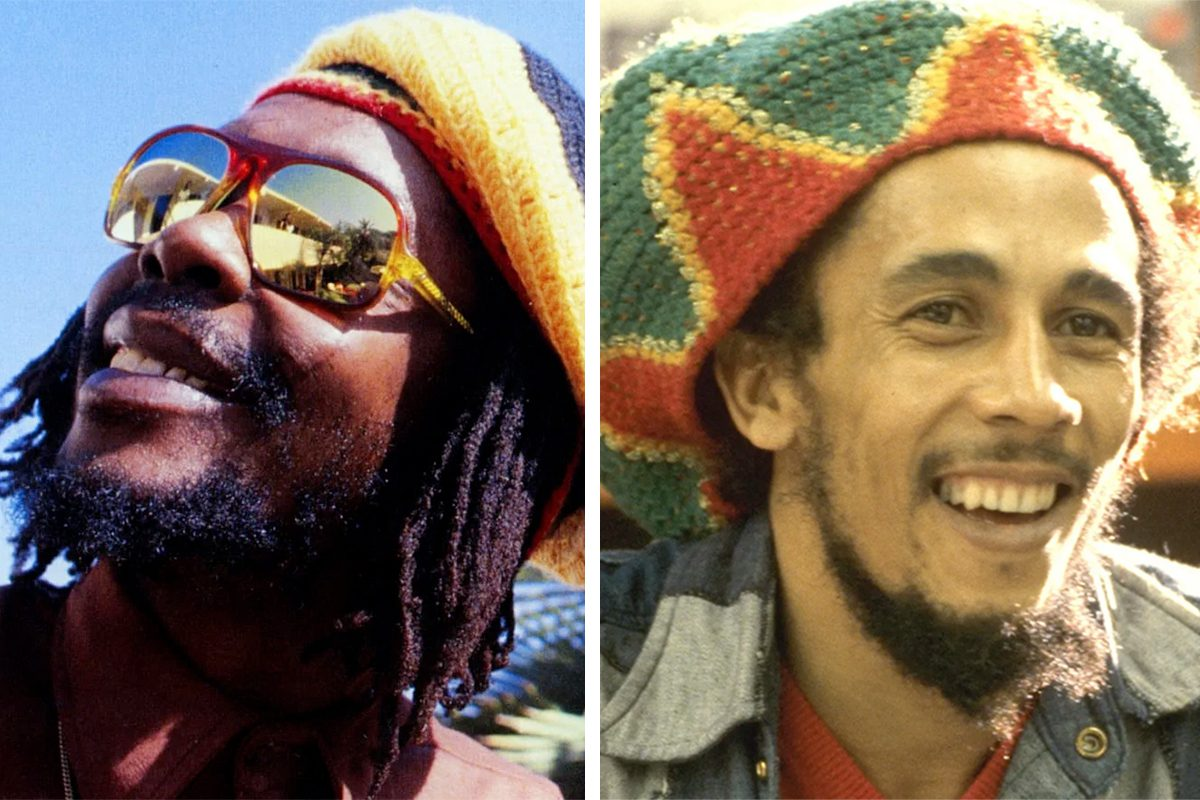
Then came “Get Up, Stand Up”, credited to both Marley and Tosh. Rolling Stone noted that the pair were often at odds over how many Tosh songs belonged on Wailers albums, yet this one sounded like two minds thinking as one.
Listen to the 1973 live take from the San Francisco Record Plant, later released on Talkin’ Blues, and you hear them trading lead vocals like brothers finishing each other’s sentences. The 1973 Island recording entered the Grammy Hall of Fame in 1999.
Late 1973 to 1975: Blows, Blackwell and the Split
The harmony did not hold. Tosh felt his songs and his career were being sidelined in favour of Marley’s, and both he and Bunny resented Chris Blackwell’s push to market Marley as the leader of what they saw as a group of equals.
Bunny left first, uneasy with the American venues Blackwell had booked. Tosh followed in late 1973, after the US and UK tours.
The end turned physical. On the English leg of that tour, the two men fought, and Stephen Davis’s 1985 Marley biography says plainly that they “came to blows”. Tosh never toured with the Wailers again.
When Blackwell refused to release Tosh’s solo album in 1974, the break was complete, and Tosh started calling the Island boss “Whiteworst”.
Marley’s Natty Dread, released October 25, 1974, was his first record without his old partners, though the group did not “officially” split until January 1975. Tosh never softened his view of the hierarchy.
His lesser status, he said, “underestimates my ability”. His most famous line on the subject still stings: “I taught Bob Marley. How can you compare the teacher with the taught?”
1976 to 1978: Two Solo Roads
Tosh came out swinging. Legalize It, recorded at Treasure Isle in 1976, was banned from Jamaican radio and copies were seized by customs, which only sharpened his outlaw reputation.
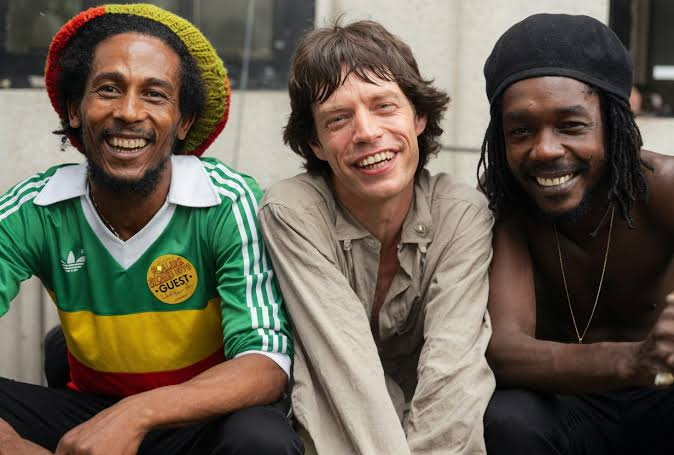
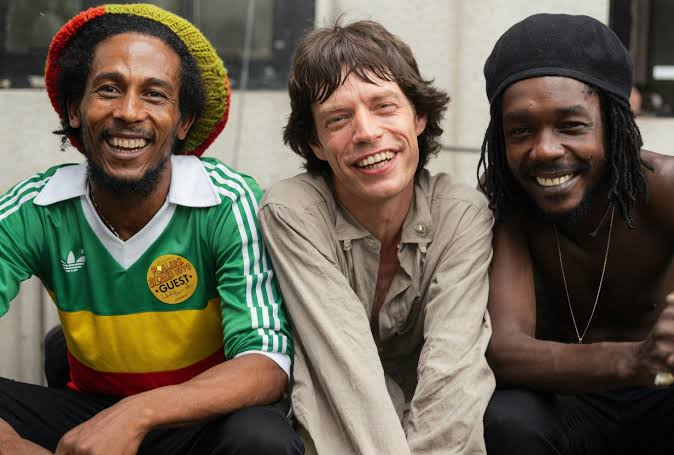
Across the Atlantic, John Peel kept the title track in rotation. Equal Rights followed in 1977, and in 1978 Tosh signed to Rolling Stones Records, with Mick Jagger and Keith Richards on Bush Doctor and Jagger duetting on “Don’t Look Back”.
Marley, meanwhile, was becoming a global figure. In December 1976 he was shot two days before the Smile Jamaica concert, an event Tosh and Bunny had declined to join for political reasons.
He released Exodus on June 3, 1977, and the gap in fame between the former bandmates grew wider than ever.
April 22, 1978: The Same Stage, Two Sermons
The One Love Peace Concert drew a crowd of more than 30,000 people to hear 16 reggae acts, and it gave fans the clearest picture of the two men side by side. Tosh played before Marley, and he played for over an hour, with nearly half of that spent talking.
He tore into politics, colonialism, poverty and ganja laws, swore freely and named politicians to their faces. “Peace is a diploma yu get de cemetery,” he told the crowd.
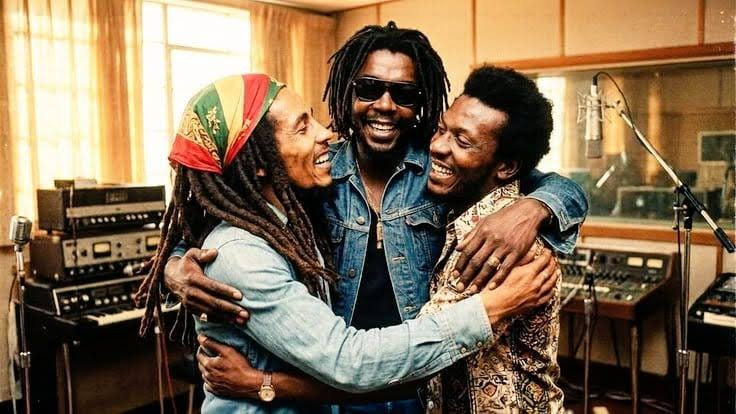
Marley chose a different gesture. During “Jamming” he brought Michael Manley of the PNP and Edward Seaga of the JLP together and joined their hands above his head. Scholar Brian Meeks, who was there, saw it as Tosh holding one position and Marley another.
Reconciliation on one hand, confrontation on the other. Tosh reportedly became a regular police target in the aftermath.
1981: Marley’s Death and an Empty Seat
Bob Marley died on May 11, 1981, while Tosh was out promoting Wanted Dread & Alive. Tosh did not attend the funeral.
Some put it down to Rastafari’s rejection of mourning; others said he was simply in shock. Marley archivist Roger Steffens believed Tosh “lost a lot of fans” by not showing more sympathy.
Rumours even linked the absence to Tosh’s song “Burial”, though he had written it with Bunny back in 1968, long before any rift.
1987: The Night in Kingston
On September 11, 1987, gunmen invaded Tosh’s Kingston home. The shooter was Dennis “Leppo” Lobban, a man Tosh had tried to help.
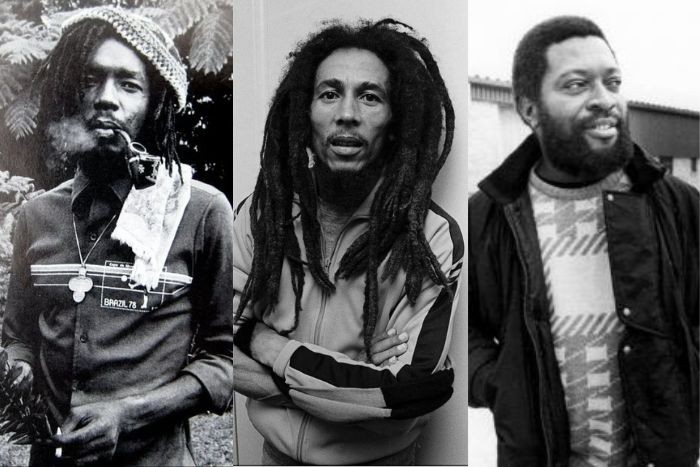
Tosh died at 42, and two others were killed, including Jeff “Free I” Dixon. His partner Andrea Marlene Brown was shot but survived. Jamaica eventually honoured him with the Order of Merit in 2012.
Why the Argument Still Matters
With Bunny Wailer’s passing in 2021, all three original Wailers are gone, and the debate now belongs to the fans.
Marley’s story keeps finding new audiences, most recently through the 2024 film Bob Marley: One Love, which restages the Peace Concert.
Tosh’s legacy lives in a harder, more defiant register, the voice that refused to smile for anyone’s cameras.
Maybe that is the real answer to Marley versus Tosh. Reggae needed both: the unifier who joined rival hands and the prophet who would not let anybody forget why those hands were clenched. When “Get Up, Stand Up” plays, you are still hearing them together.