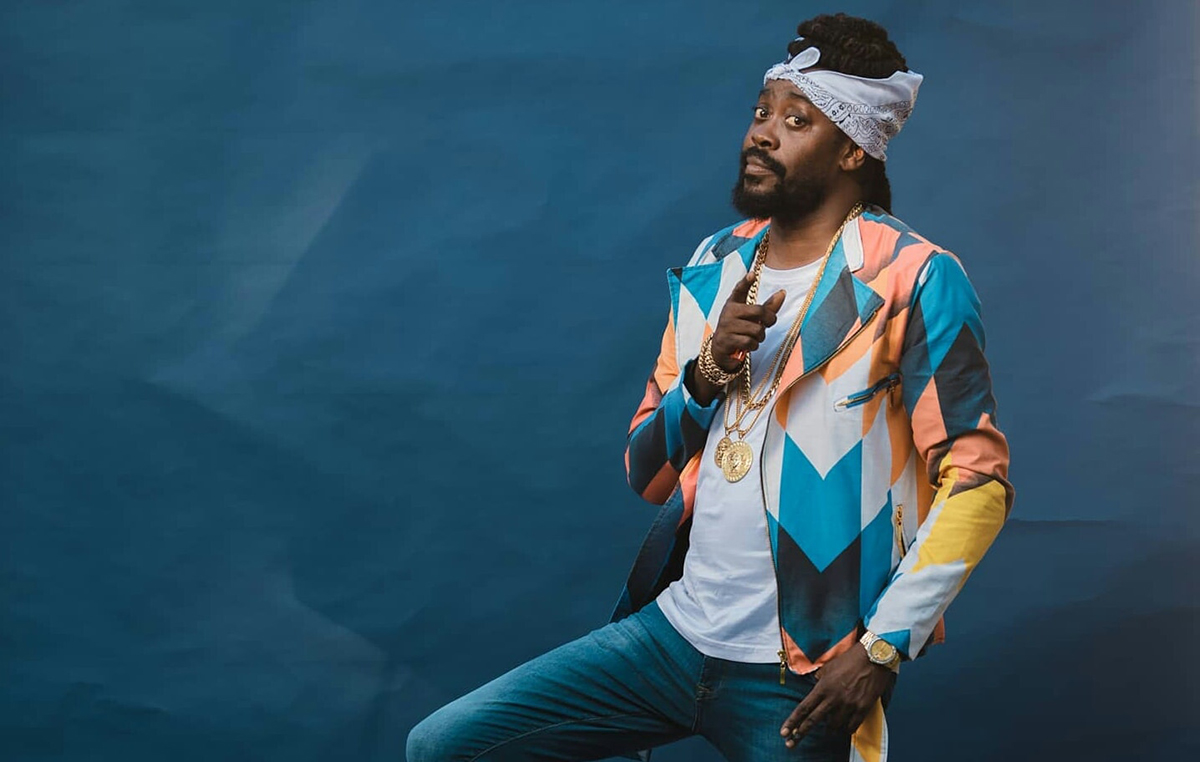

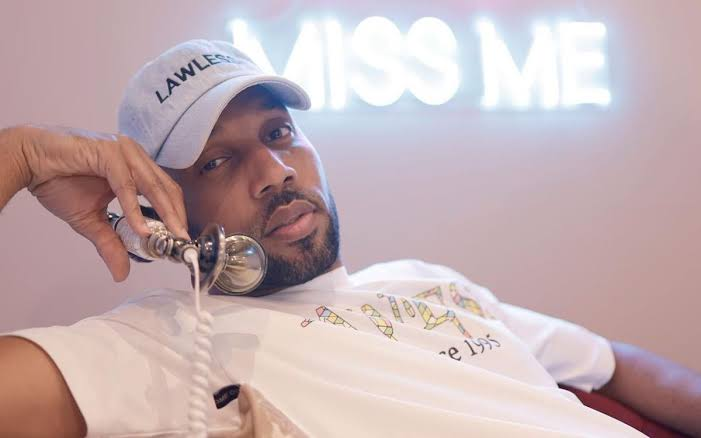
Cham isn’t known for picking fights online, which is part of why his latest Instagram post is drawing attention.
The veteran deejay posted a blunt, one-line message: “The Prime Minister of Jamaica need to Apologize to the Music Industry‼️”
That’s the whole statement. No caption explaining the backstory, no tagged officials, no follow-up thread. Just a demand, two exclamation marks, and plenty of room for fans to fill in the blanks.
What’s missing is the “why.” The post doesn’t name a specific comment, policy or incident that prompted it.
So for now, the only thing on record is Cham’s position: the country’s leader owes the people who make Jamaican music an apology.
Who’s saying it matters. Born Damion Beckett in Kingston, Cham came up through Dave Kelly’s Madhouse Records camp and became one of dancehall’s most recognizable voices of the 2000s.
His “Ghetto Story” run, including the remix with Alicia Keys, carried him to a major-label album with Atlantic and international audiences.
That career has given him standing in the industry. When an artist with his history speaks for “the music industry” rather than just himself, it reads less like a personal grievance and more like an attempt to speak for a whole sector.
There are two ways to read a post like this, and both are already in play. Supporters will see a senior artist using his platform to push back on how the country’s leadership treats its most famous export.
More skeptical observers will point out that a one-sentence demand, without specifics, leaves the government nothing concrete to answer and the public nothing concrete to judge.
The friction itself isn’t new. Dancehall and Jamaican officialdom have clashed for decades, from the Broadcasting Commission’s 2009 crackdown on “daggering” songs and explicit lyrics on air to the pandemic-era restrictions that shut down live entertainment and left promoters, sound systems and performers without work for long stretches.
Artists have often argued that the genre gets blamed when it’s convenient and celebrated when it brings in tourists and global attention.
None of that confirms what set Cham off this time, and it would be a stretch to assume any one of those flashpoints is behind it.
But it does explain why a single line from a respected name can land with weight. Many in the scene already feel this way, and he said it out loud.
The obvious next questions are whether Cham will elaborate, whether other artists will add their voices, and whether anyone in government responds.
Prime Minister Andrew Holness hasn’t been linked to any reply in the source material, and Cham hasn’t added detail beyond the original post.
For now, the demand sits there on his page, waiting for context. Whether it grows into a broader industry conversation or stays a single sharp post likely depends on what Cham says next.