
Dancehall has always had two faces. One is the session at full tilt: slackness, gun talk, bravado bouncing off the speaker boxes.
The other speaks plainly about hunger, police, politicians, faith and the price of survival in Kingston’s tightest corners.
That second face is where the music finds its conscience, and it has produced some of the most lasting records the island has ever pressed.
These are the best conscious dancehall songs, ranked strongest first. They run from Buju Banton’s conversion to Rastafari in the mid-nineties, through the Bobo fire of the early 2000s, to the Reggae Revival generation that brought roots messages back to the forefront. Every one of them still makes sense in a dance today, and every one still has something to say.
1. Buju Banton, “Untold Stories” (1995)
Almost nothing on it but a gently strummed guitar and that voice, worn and wise beyond his years. “Untold Stories” is the moment Buju became a prophet.
Produced by Donovan Germain for Penthouse, it sits at the heart of ‘Til Shiloh, released July 18, 1995 on Loose Cannon, a short-lived Island subsidiary.
The story goes that he wrote it the morning after a domino session at Penthouse, when the album was already considered finished. He was carrying grief over the 1993 murders of his friends Pan Head, Dirtsman and Mickey Simpson.
Its meditation on poverty and the cost of living reached well beyond Jamaica. Sinéad O’Connor covered it, and ‘Til Shiloh was certified gold by the RIAA in 2019.
2. Buju Banton, “Murderer” (1994)
Before ‘Til Shiloh fully arrived, Buju fired a warning shot. “Murderer” was released as a single in 1994, a direct condemnation of violence in dancehall that came straight out of the killings of Panhead and Dirtsman.
Coming from the same artist whose early slack records had drawn criticism for graphic sexuality and homophobia, with “Boom Bye Bye” still the song critics point to, the turn was startling.
The DJ who once ruled the dance with bravado was now pointing a finger at the bloodshed around it. It has often been said that the tune pushed several clubs to stop playing excessively violent songs.
True or not in every detail, the story shows how hard it landed. It marked his conversion to Rastafari and the conscience he would carry from then on.
3. Sizzla, “Solid As A Rock” (2002)
Picture the scene Sizzla paints. The police stop him, search him, find nothing but herb, and still he will not bend.
“Solid As A Rock” turns that everyday harassment into a hymn of defiance, riding Bobby Digital’s relicked Cuss Cuss riddim on VP.
It was a lead single from Da Real Thing, released November 19, 2002, alongside “Thank U Mamma” and “Just One of Those Days (Dry Cry).
One reggae blogger called it surprisingly dark and defiant, and that tension is its power: a warm, rolling groove under a voice that refuses to be broken.
Bobby Digital, whose Digital B label also carried Shabba Ranks, died on 22 May 2020. This tune remains one of his finest late productions.
4. Bounty Killer, “Down In The Ghetto” (1994)
They call him the Poor People’s Governor for a reason. On King Jammy’s Shank I Sheck riddim, issued in 1994 on a Greensleeves 12″, Bounty Killer drops the warlord persona just long enough to report from the bottom of Kingston.
The album of the same name, also produced by Jammy, depicts a gang-plagued drug trade and the plight of the city’s poorest residents. Its sister cut “Defend the Poor” opens with the Killer declaring exactly that mission.
Bounty is no saint, and his harsher songs made him a controversial figure. That is precisely why this one cuts so deep. When one of the greatest lyricists dancehall ever produced turns his eye on poverty, the street listens.
5. Anthony B, “Raid Di Barn” (1996)
Anthony B never wanted the guns, girls and glitz. Working with producer Richard “Bello” Bell, he built a run of fiery hits, “Repentance Time”, “Fire pon Rome”, “Rumour” and “Raid di Barn”, before his 1996 album Real Revolutionary.
Chanting with Biblical urgency over hard dancehall riddims, he picked politically slanted songs over slack material and refused to degrade women on record. “Raid Di Barn” carries that energy: righteous, rousing and built for the sound system rather than the pulpit.
It shows up on So Many Things (1996) and on the compilation Culture Vibes: The Best of Conscious Dancehall Reggae. That is fitting for a tune that helped define what the phrase means.
6. Kabaka Pyramid, “Well Done” (2015)
Sarcasm has rarely sounded this sharp. On “Well Done”, Kabaka Pyramid congratulates Jamaica’s leaders for everything they have failed to do, and one review rightly called it a scathing attack on the government.
The backing is Damian Marley’s On The Corner riddim. Production is credited to Marley, Aston “Barrington” Barrett Jr. and Sean “Young Pow” Diedrick, and the track nods to R.E.M.’s “Losing My Religion”.
Kabaka had met Damian a couple of years earlier, and when Gong sent him the rhythm in 2015, the result became his biggest hit and the song he calls career defining. Ghetto Youths International repressed it on 7″ in 2022, which says plenty about how it has lasted.
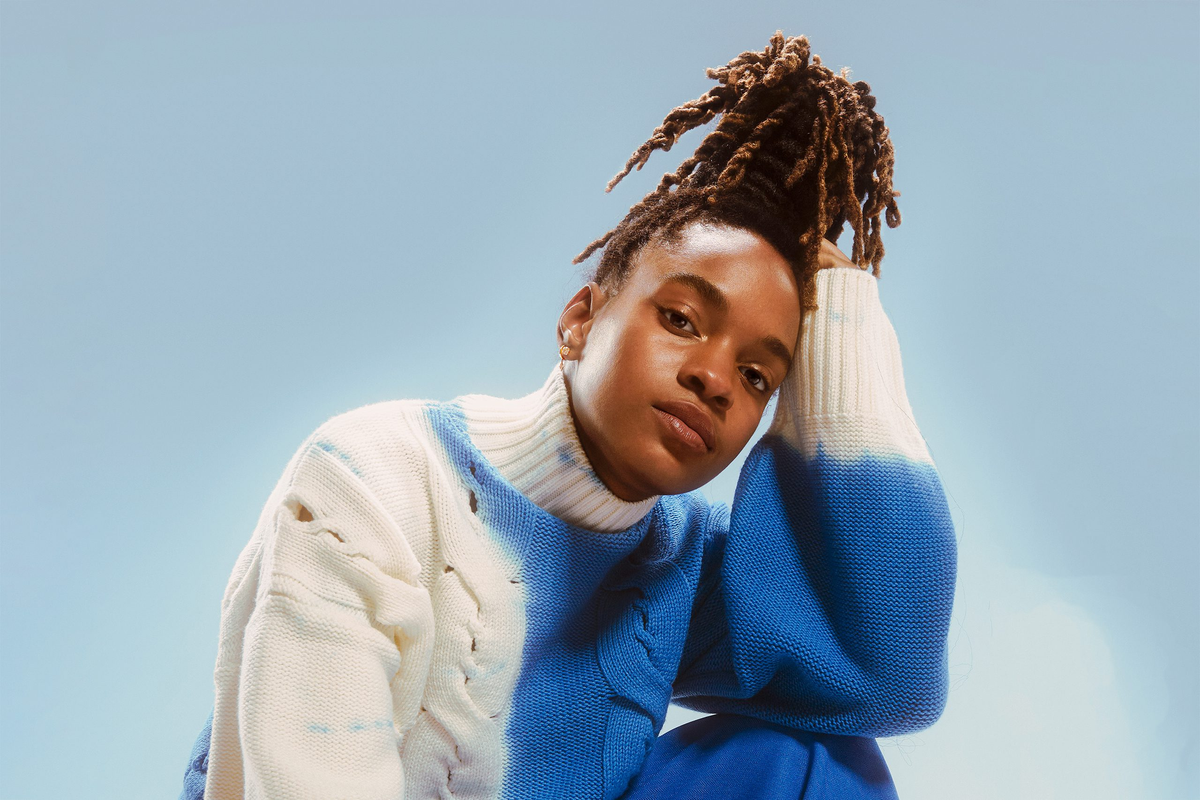
7. Koffee, “Toast” (2018)
Gratitude was never this catchy. Koffee wrote “Toast” in Haiti in 2018 while reflecting on her sudden success.
With IzyBeats and Walshy Fire on production, she turned a simple thank you into a global anthem. The Xavier Damase directed video went up on her channel on 16 November 2018, with Chronixx and Protoje dropping in, a passing of the torch caught on camera.
The song reached No. 70 on the UK Official Singles Chart and No. 24 on Billboard Rap Airplay, and it turned up in Jordan Peele’s Us.
It later went Platinum in the UK and gold in Canada and France. Its home EP Rapture won Best Reggae Album at the 62nd Grammys, making Koffee, at 19, the youngest winner and the first woman to take the award.
8. Protoje feat. Chronixx, “Who Knows” (2014)
If the Reggae Revival needed a calling card, this was it. Taken from Protoje’s Ancient Future and produced by Phillip “Winta” James, “Who Knows” pairs Protoje’s laid-back, philosophical flow with a young Chronixx at his most luminous.
It is a song about uncertainty and faith, about moving forward without knowing what tomorrow brings, wrapped in a groove so relaxed it feels like a Sunday afternoon in the hills.
It became a cornerstone of a movement that also included Jah9, Jesse Royal, Kabaka Pyramid, Dre Island, Kelissa, Keznamdi and Lila Iké.
Twelve years on it is still the record many fans name first when they explain why that generation mattered.
9. Popcaan, “Gangsta City” (2010)
“I’m from a place where dog eat dog.” Popcaan sings it plainly, and that line sums up “Gangsta City”.
He recorded it in 2010 while still part of Vybz Kartel’s Portmore Empire, and the title is a nickname for Three West, the government-subsidised housing scheme in Portmore where he grew up.
This is conscious dancehall from inside the situation rather than above it. There is no preaching, just a young man describing home with honesty and hurt.
The same instinct would shape his debut album Where We Come From on Mixpak in 2014. Speaking about that project, he summed up the mission: “I’m representing my whole community.”
10. Jesse Royal, “Modern Day Judas” (2014)
Every community knows the type: the smiling friend who sells you out the moment your back is turned. Jesse Royal names them on “Modern Day Judas”, his 2014 breakout for Overstand Entertainment, produced by Winta James.
The song is a call-out of hypocrites and backbiters, delivered with a directness that never sacrifices melody. That balance became Jesse’s signature, sharp and rooted in social message yet always singable.
It has gathered more than ten million streams on Spotify, a strong showing for a record so steeped in roots values. In a scene where loyalty and betrayal shape so many lyrics, this one still feels like a warning worth repeating.
11. Chronixx, “Skankin’ Sweet” (2017)
The bills are due, the rent is due, the mortgage is due, so turn the music up. That is the quiet genius of “Skankin’ Sweet”.
Chronixx makes economic pressure the reason to dance rather than a reason to despair. Released July 7, 2017 on Soul Circle Music, it moves at an unhurried 78 BPM, and Billboard praised its “richly textured one drop groove”.
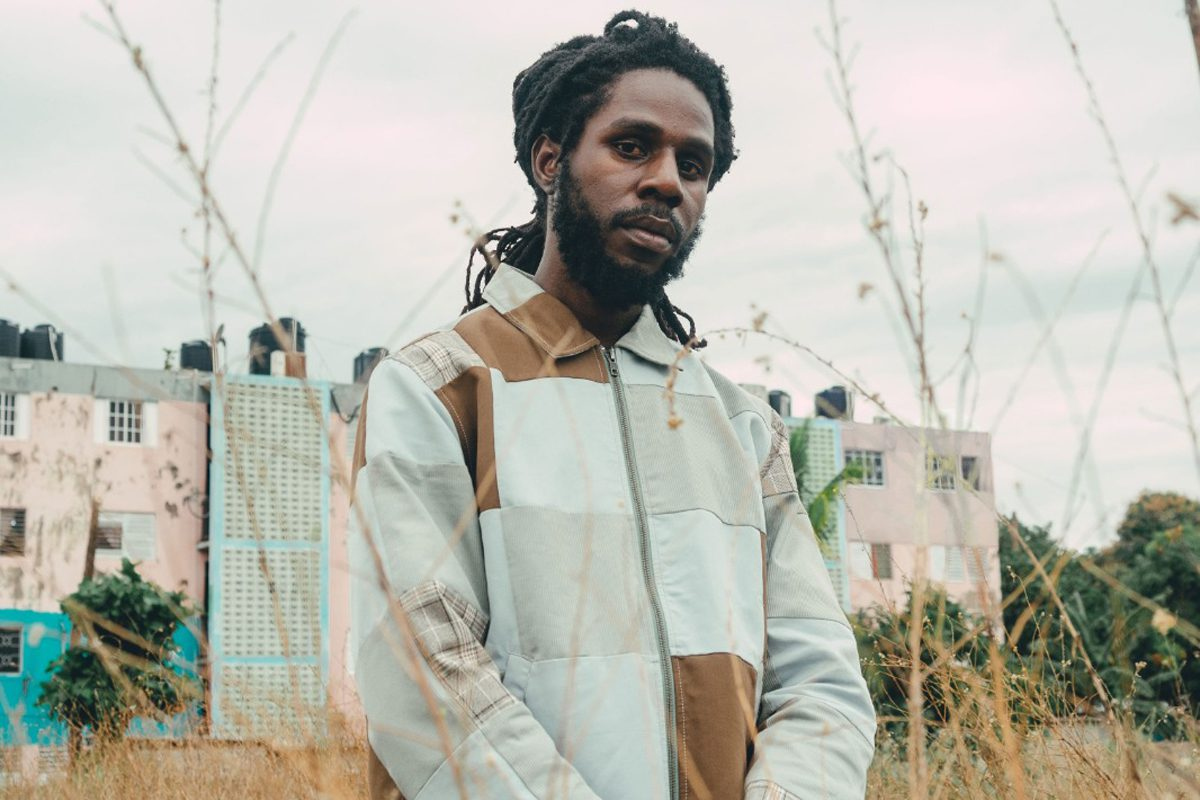
It led into Chronology, the debut album that topped Billboard’s US Reggae Albums chart in 2018. More than any lecture, it captures the music’s oldest healing function: the dancefloor as a refuge from the world outside.
12. Kabaka Pyramid feat. Stephen Marley, Protoje & Jesse Royal, “The Kalling” (2022)
Call it a summit. The title track of Kabaka Pyramid’s 2022 album gathers Stephen Marley, Protoje and Jesse Royal under Damian Marley’s production, recorded at Marley’s studio in Miami.
One reviewer called it possibly the most important song on the album, a rallying cry urging the youth to stand up and represent Rasta culture.
Each voice brings its own texture: Stephen’s warmth, Protoje’s cool, Jesse’s grit and Kabaka’s rapid-fire conviction.
The album went on to win the Grammy for Best Reggae Album, putting a seal on the journey that began when Kabaka first rode a Marley riddim with “Well Done”.
Why Conscious Dancehall Still Matters
Spin these twelve songs back to back and a single thread appears. Buju mourning his friends, Sizzla staring down a police search, Bounty reporting from the ghetto, Popcaan naming Three West, Chronixx dancing through the bills: all of them refuse to look away from Jamaican life as it is lived.
Conscious dancehall was never the opposite of the dance. It is the dance with its eyes open.
The sound system has always been a space where entertainment and testimony share the same speaker, and these records prove that a tune can move your feet and your conscience at once.
As a new generation steps up, the lesson from this list holds. The songs that last are the ones that tell the truth.