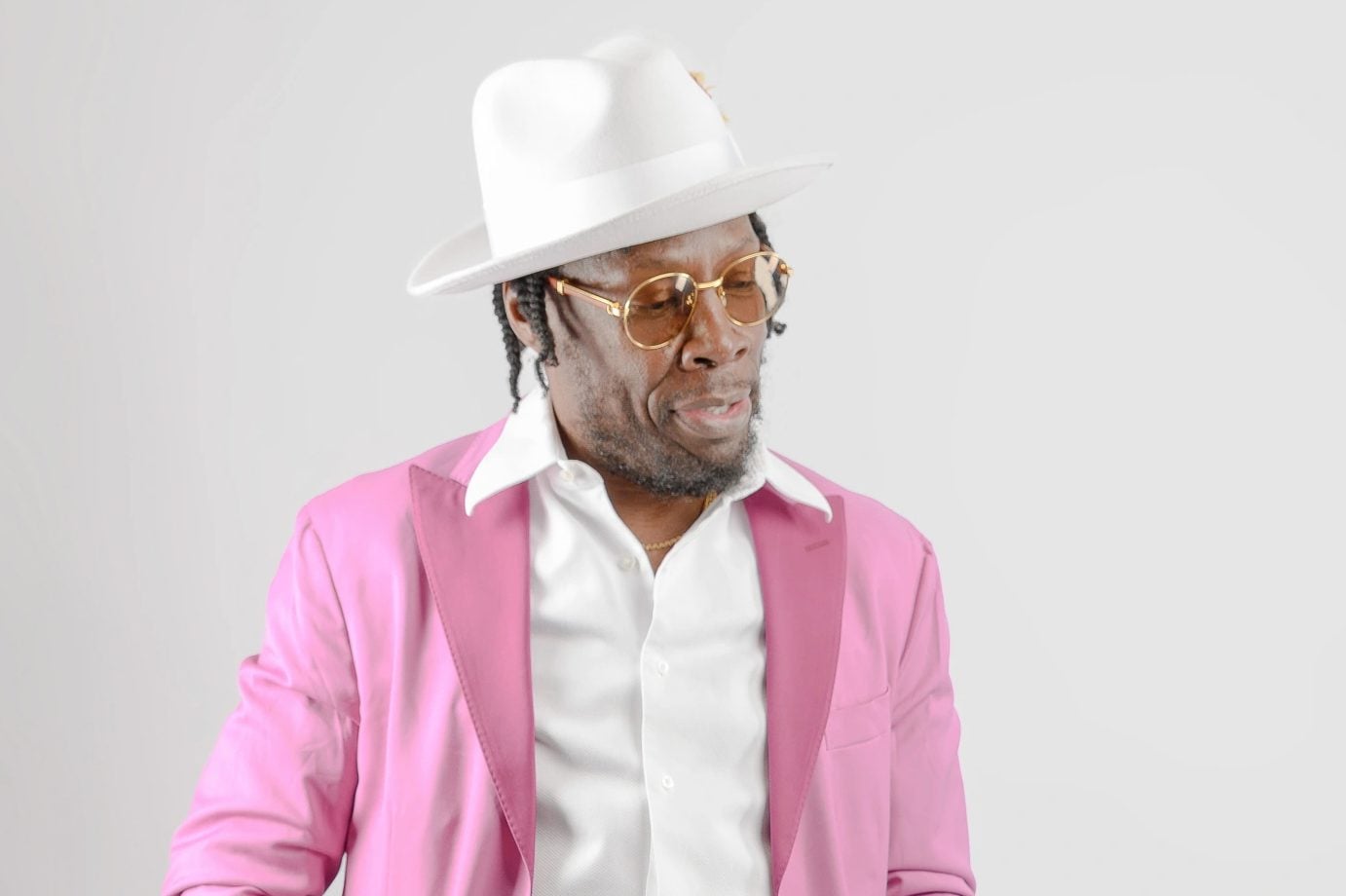

The meaning of “Ting-A-Ling” is fairly simple. Shabba Ranks uses the song to celebrate dancehall and to boast about his place in it.
The title copies the sound of a ringing bell, and the hook ties that sound to a school bell, a swinging dancehall and a heavy riddim.
The rest of the song is Shabba bragging about beating rival deejays and calling women from around the world to the dance floor.
Steely and Clevie produced it on their Giggy riddim. It is still one of the most sampled records of its era. The song is often named next to “Mr. Loverman” as one of his signature songs.
Release history: sources disagree on the dates
Sources list different years for the song, so no single date should be treated as settled.
- Riddimguide lists the riddim as Gi-Gi, the year as 1992, the label as Shang, and the producers as Wycliffe ‘Steely’ Johnson and Cleveland ‘Clevie’ Browne. A 2021 DancehallMag news report also dates the song to 1992.
- A 2022 Jamaica Observer article says the Giggy riddim was released in late 1991.
- On albums, “Ting-A-Ling” opens X-tra Naked, which came out in October 1992. That album won the Grammy Award for Best Reggae Album in 1993. It shows up again on Rough & Ready Volume 2 (October 26, 1993), which also includes an “Original Version” credited to Browne, Gordon, Gordon and Johnson. A Jamaican 7-inch on Shang Muzik lists the writers as G. Gordon and R. Gordon. Shabba Ranks was born Rexton Rawlston Fernando Gordon.
- The video dates conflict too. IMDb gives the music video a United States release date of April 13, 1993, while Reggaeville dates its upload of the video to June 1, 1992.
How the Giggy riddim was made
Clevie described the riddim’s origins to the Jamaica Observer in 2022. He arrived at the studio before Steely, “turned on the machine and started programming a drum beat.
And I started playing a bassline with a unique sound.” He said that when Steely heard it, “he ran around the room at Mixing Lab and said ‘wicked, wicked’! And that was the birth of the Giggy riddim.”
According to the same article, the riddim and its songs were recorded at Mixing Lab studio in Kingston.
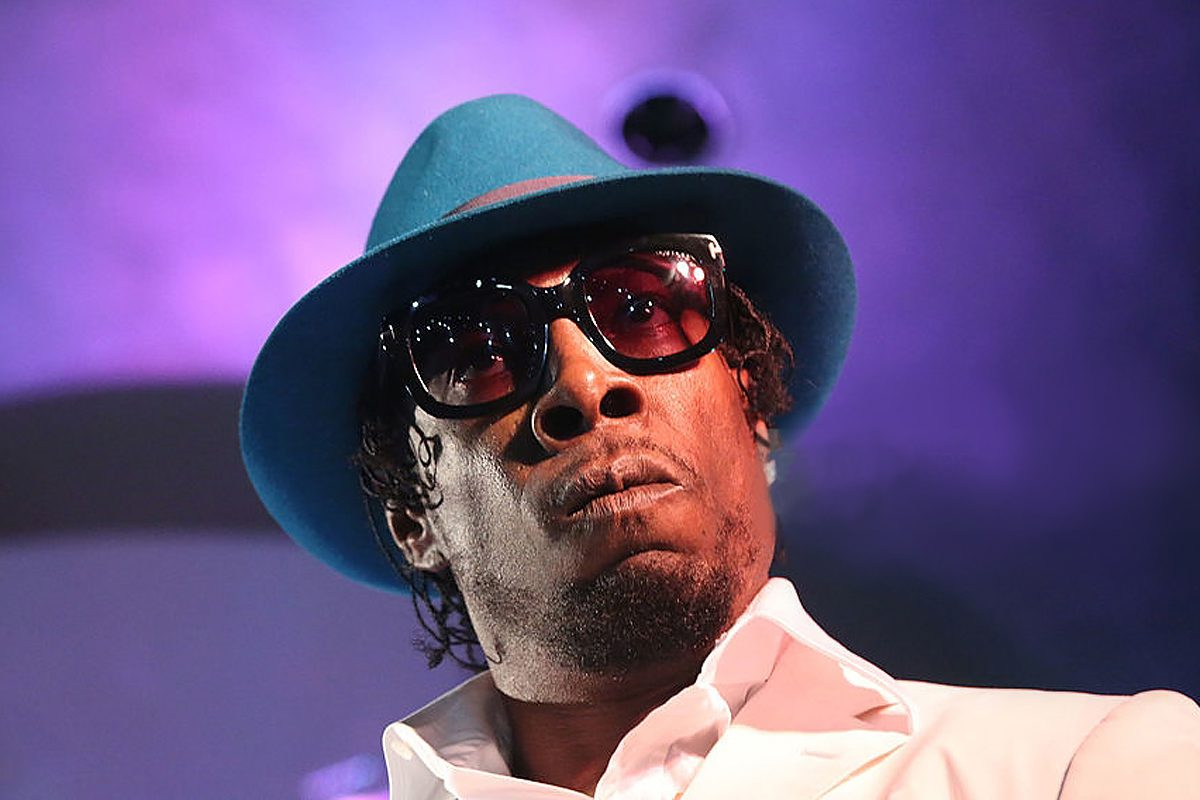
A 2010 profile of the duo says that in the early 1990s Clevie used drums and percussive sounds to play the bass and certain melodies, so the artists could talk in rhythm and use almost any note. That approach suited a deejay like Shabba.
Sources disagree about which Giggy song came first. A 2021 Electronic Beats guide calls “Ting-A-Ling” perhaps the most well-known version and the first, while the 2010 profile names Tiger’s ‘When’ and Baby Wayne’s ‘Mama’ on the Giggy riddim as the first two hits in that new style.
The lyrics explained
“Ting-a-ling” is the sound of a bell. In the chorus, Shabba links it to a school bell ringing, the dancehall swinging, and deejays perking up when they hear a booming riddim. He also adds a funny picture of a knife and fork fighting over a dumpling.
WhoSampled lists the song as using samples of “Back to School” by Bunny Wailer, “Incredible General” by General Levy and “Little Giggy Version” by Steely & Clevie.
That would explain the school theme, but no artist or producer statement confirming it turned up during research.
Shabba yells “Booyaka” just before calling his own name. Jamaicans.com defines the word as a term used to emulate the sound of a gun shot salute, used in a celebratory tone.
An older dancehall slang glossary describes it as a sound simulating gun shots fired in celebration or appreciation of something. In the song, it works as a shout of hype, not a threat.
Most of the verses are what DancehallMag called Shabba’s rude-boy toasting. He calls himself the general of the deejay army, says he can show up and beat other deejays, and plays on the word “don” by saying he can turn rivals into donkeys. He also says his success drives women wild everywhere he goes.
The later verses move to the dance itself. Shabba describes dancehall as being all about winding, tells women to wine their bodies, and calls out women from Jamaica, America, England, Canada, Japan and the Caribbean. That list matches the international audience he had at the time.
Legacy and samples
A 2021 DancehallMag news report called “Ting-A-Ling” among the era and the genre’s most sampled tracks. As of this writing, WhoSampled says it has been sampled in 28 songs. Examples include:
- Patra and Yo-Yo’s “Romantic Call” (1993)
- Chase & Status’s “Dumpling Riddim” (2007)
- A$AP Ferg and A$AP Rocky’s “Shabba” (2013)
- Burna Boy’s “Don Gorgon” (2014)
- Spice’s “Needle Eye” (2014)
- Drake and PARTYNEXTDOOR’s “Wednesday Night Interlude” (2015)
- Nicki Minaj’s “The Pinkprint Freestyle” (2016)
- El Michels Affair and Black Thought’s “Grateful” (2023)
WhoSampled also lists Vybz Kartel’s “Gaza Ting a Ling” (2010) as a cover. London rapper Sneakbo’s “Ring A Ling” samples the chorus from Shabba Ranks “Ting A Ling” and entered the UK Singles Chart at number 27 in 2013. In 2021, Wale sampled the song on “Name Ring Bells”, the second track on his album Folarin II.
Remakes of the riddim itself have kept it in circulation. Electronic Beats noted that Steely and Clevie brought the rhythm back with Baby Wayne as “Mama,” and Donovan Germain released further versions on his Penthouse label.