


“Hot stepper” comes from Jamaican Patois and means a fugitive, or someone running from the law. When Ini Kamoze calls himself the Hotstepper on his 1994 hit “Here Comes the Hotstepper,” he is borrowing that outlaw image and using it as a boast about his skill as an artist. Several sources agree on the definition.
The Hotstepper became Kamoze’s nickname, taken from the Jamaican Patois for a man on the run from the law, and Stereogum’s 2025 column on the song describes the phrase as patois slang for “fugitive.”
The fugitive as a show-off
Kamoze plays a rebel character, but the menace isn’t meant literally. Songfacts describes him as a lyrical gangster committing metaphorical murder, unlike the American gangsta rappers whose bars were more literal and menacing.
The same source notes that the song comes across as light and playful, adding that it’s hard to be scared of a man who rhymes “extraordinary” with “strawberry.”
According to an AllMusic review of his 1995 album Lyrical Gangsta, the second line of the song is Kamoze calling himself the lyrical gangster.
After that line, background voices chant “murderer.” Stereogum says that chant probably comes from Shabba Ranks’ 1990 single “Roots And Culture.” A 2024 DancehallMag news report lists the Shabba Ranks track as one of the song’s borrowed elements.
Kamoze talked about the word himself. Speaking to Vibe after the song became a hit, he said it shouldn’t be read as purely literal or purely figurative: “We’re certainly not talking about killing people, although we’re not talking as if that’s impossible either.”
The story behind the song
The idea started earlier than the hit. In 1990, Kamoze had recorded a dancehall track called “Hot Stepper” with the Jamaican producer Philip “Fatis” Burrell. Stereogum calls that first version straight dancehall.
Sources disagree on when the new version was made. Wikipedia says it was originally recorded in early 1992 and was passed over by several labels. Songfacts says Kamoze began crafting this song as a comeback late 1992 and asked producer Salaam Remi to help.
In a 2009 Mojo interview, Kamoze said he wanted the song on mainstream radio and wondered why is Ini Kamoze not being played behind Michael Jackson or Madonna?

Remi and Kamoze had met in 1991, according to DancehallMag (2024). Remi licensed the track to Columbia after shopping the demos around.
Stereogum reports that the Columbia reps didn’t sign Kamoze, but they included “Hotstepper” on Stir It Up, a reggae compilation.
The song is built from older records. Its best-known hook is its “naaaa na na na naaaa…” chorus inspired by the Cannibal and the Headhunters version of “Land of 1000 Dances”. AllMusic credits Remi with a Taana Gardner sample.
DancehallMag (2024) also lists guitar notes from Isaac Hayes’ Hung Up On My Baby (1974) and vocals from The Mohawks’ “Champ.”
Remi explained the mix in The Billboard Book of Number One Hits: “It had ‘Land Of 1000 Dances,’ from my grandparents’ era,” which he presented as part of a plan to reach several generations at once.
Wikipedia lists the songwriters as Ini Kamoze; Chris Kenner; Kenton Nix; Salaam Remi, with Remi as producer.
Release and chart success
Sources give different single release dates. Several, including the Caribbean National Weekly (2024), say it was released on 18 August 1994 by Columbia Records as the lead single from his 1995 album of the same name as well as the soundtrack to the film Prêt-à-Porter.
PopHits gives September 27, 1994 for the “Ready To Wear” release. Robert Altman directed the film, which was also released as Ready to Wear.
The song reached number one on the Billboard Hot 100 on 17 December 1994 and remaining there for two weeks. It also became a number-one hit in Denmark, New Zealand, and Zimbabwe and a top-10 hit in 13 other countries.
World Music Views (2024) notes that it came after Snow’s “Informer,” the only earlier dancehall song to top the US chart.
Certifications and later revivals
DancehallMag reported that by December 1994 the single had been certified Platinum in the United States, having sold over 1 million copies.
Thirty years later, the RIAA announced the certification on Friday (August 9), marking the sales and streaming equivalent of two million units, which made it double platinum in 2024.
As of October 2024, the Jamaica Observer reported that the song has been certified gold in Germany, platinum in Australia, New Zealand and United Kingdom.
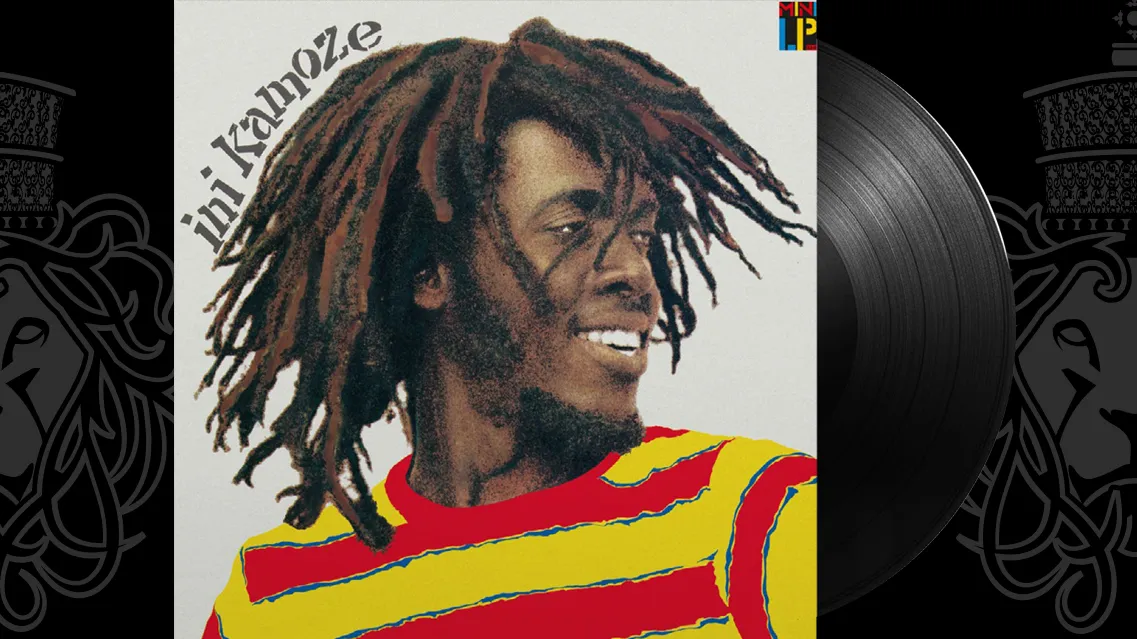
The song has come back several times. In early 2022 it went viral on TikTok and entered the Billboard R&B/Hip-Hop Digital Song Sales chart, according to DancehallMag.
In 2024, a Starbucks commercial helped it top the U.S. iTunes Reggae Songs chart for over two weeks. The French duo Trinix also made an electronic remix titled “Hotstepper,” which was certified gold in France in October 2024.
The bottom line
A hot stepper is a fugitive. Ini Kamoze took that outlaw idea and turned it into a self-portrait that is confident and funny at the same time. The “murderer” and “lyrical gangster” lines describe his skill on the mic, not real violence.