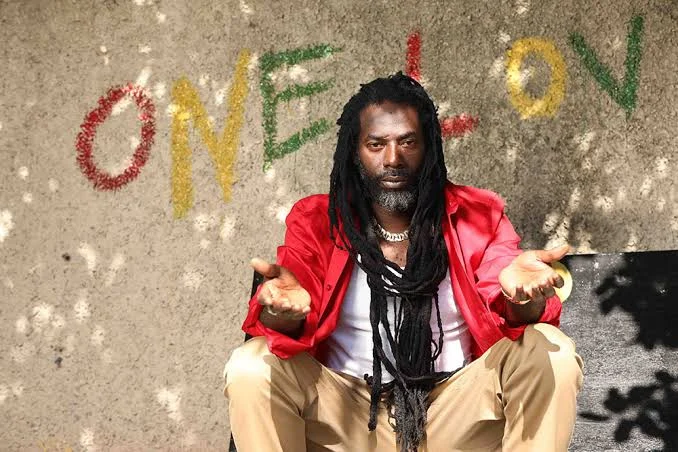

When listeners ask about the champion meaning in Buju Banton’s catalogue, the answer lives inside one of reggae’s most celebrated albums of the 1990s.
“Champion” is a dancehall celebration of masculine confidence and romantic pursuit, delivered with the swagger and wit that made Buju Banton one of the defining voices of Jamaican music.
The song sits on the landmark 1995 album ‘Til Shiloh, a record that placed Banton at a crossroads between his earlier, street-level persona and a deeper spiritual identity, making even its most exuberant tracks worth examining closely.
Who Is Buju Banton?
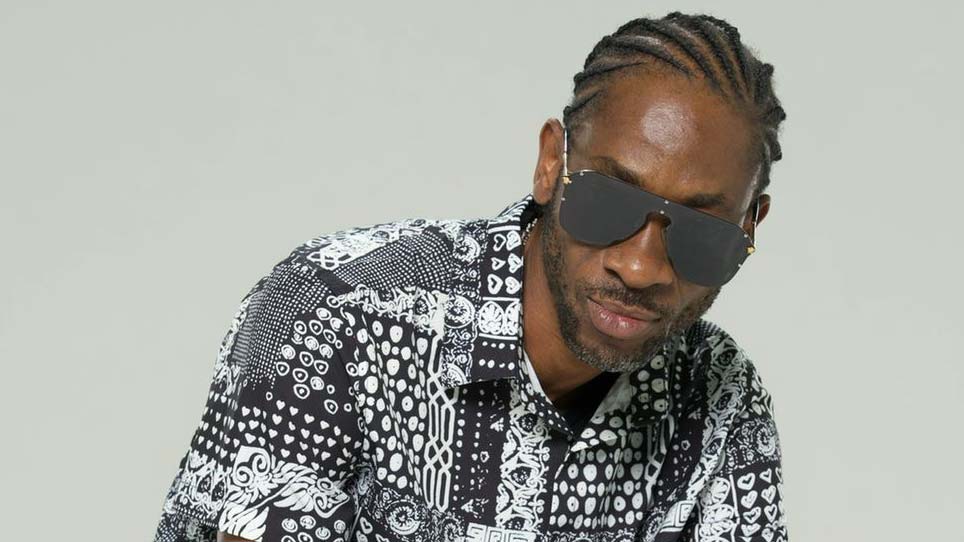
Born Mark Anthony Myrie on 15 July 1973 in Kingston, Jamaica, Buju Banton is a reggae and dancehall musician who became one of the most significant and well-regarded artists in Jamaican music.
As a youngster, Banton would often watch his favourite artists perform at outdoor shows and local dancehalls in Denham Town.
At the age of 12, he picked up the microphone and began toasting under the moniker of Gargamel, working with the Sweet Love and Rambo Mango sound systems.
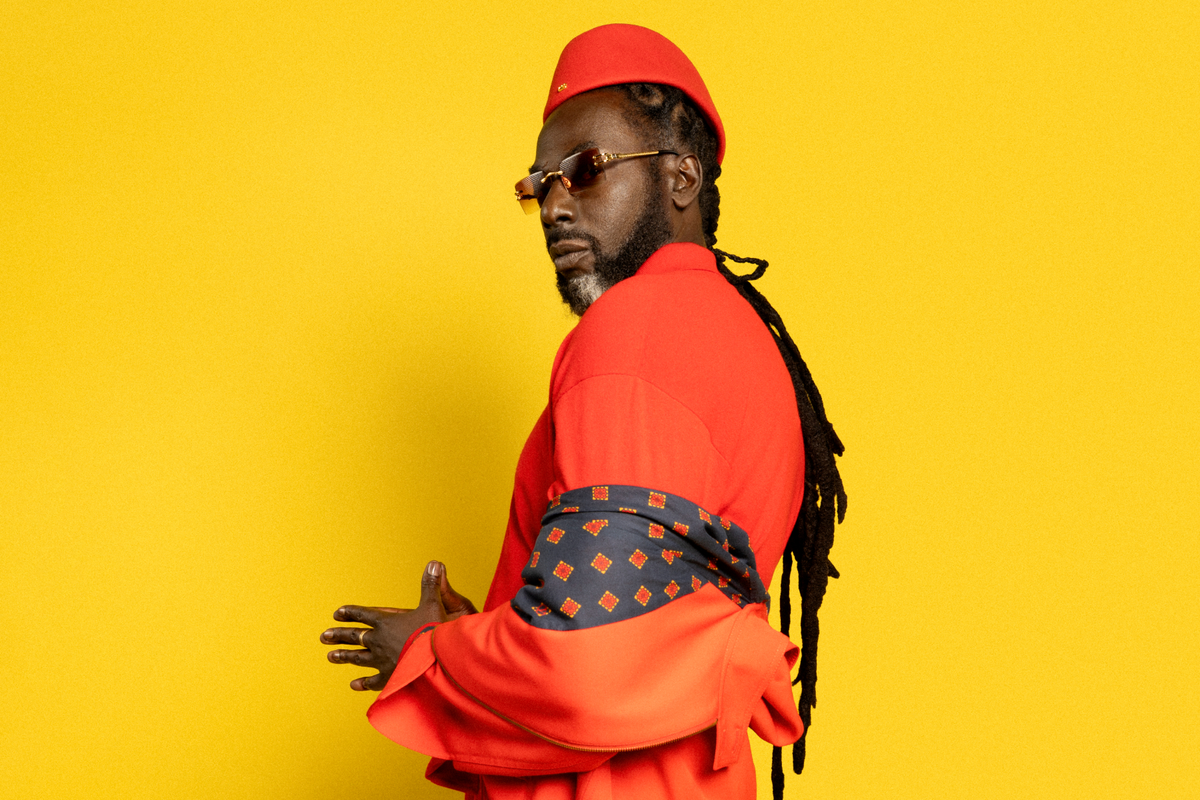
Born Mark Anthony Myrie, he grew from a lanky teen studying local Kingston deejays to an artist who propelled dancehall and reggae to international heights. Banton emerged in 1987 and quickly became a leader in dancehall, a genre in its infancy in Jamaica.
With albums like 1992’s Mr. Mention and 1993’s Voice of Jamaica, Banton created a “rude bwoy” persona laced with a raspy vocal tone and streetwise lyricism. 1992 was an explosive year for Banton as he broke Bob Marley’s record for the greatest total number one singles in a year.
The Album: ‘Til Shiloh (1995)
Til Shiloh is the fourth album by Jamaican dancehall artist Buju Banton, released in 1995 by Loose Cannon Records, a short-lived subsidiary of Island Records.
On July 18, 1995, Buju Banton released ‘Til Shiloh, his fourth studio album and the clearest signal of a dramatic artistic shift.
Known up to that point for his gritty dancehall delivery and streetwise lyrics, Banton used this record to pivot toward a more introspective, spiritually anchored sound rooted in Rastafari and social consciousness.
By 1995, Banton was in search of something much bigger. He was in the process of converting to Rastafarianism.
He began growing out his locs, studying the words of Ethiopian Emperor Haile Selassie I, and spiritually cleansed the hard edges that surrounded his previous music.
The album was recorded across multiple studios in Kingston and New York City. Released by Loose Cannon Records, a division of Island Records, the album was co-produced by Donovan Germain, Dave and Tony Kelly, Bobby Digital, Sylvester Gordon, and Steely and Clevie.
The album marked a significant change in Banton’s artistry, moving toward a direction closer to roots reggae, and was widely acclaimed by critics, considered to be a classic album for reggae music.
The commercial record confirmed that critical judgment. In 2019, the album was certified Gold by the Recording Industry Association of America (RIAA). In 2025, the album surpassed 100 million streams on Spotify.
“Champion”: The Song’s Basic Facts
“Champion” was released on January 1, 1995 by Island Records as part of the album ‘Til Shiloh. The producer was Donovan Germain.
Germain’s association with Buju Banton was long-standing and deeply productive: among the original riddims Germain produced was “Champion” in 1994, confirming the track was built and refined before the album’s mid-1995 street date.
The song is written by Mark Myrie and Leroy Sibbles. That co-writing credit connects “Champion” to one of Jamaica’s most storied musical figures. Leroy Sibbles is a Jamaican reggae musician and producer who was the lead singer for The Heptones in the 1960s and 1970s.
In addition to his work with The Heptones, Sibbles was a session bassist and arranger at Studio One during the prolific late 1960s, and was described as “the greatest all-round talent in reggae history” by Kevin O’Brien Chang and Wayne Chen in their 1998 book Reggae Routes.
As a session bassist, Sibbles laid the foundation for enduring riddims including “Full Up” and “Satta Massagana,” inspiring generations of artists and producers.
His songwriting contribution to “Champion” is a direct line of inheritance from reggae’s golden age of harmony and melody through to the mid-1990s dancehall landscape.
A remix of the track was also released. The “Champion (Remix)” was listed among the singles from ‘Til Shiloh. The Best of Buju Banton, a 2002 compilation released through Hip-O/Universal, opens with the “Champion” remix, running at 4:31.
The song’s commercial longevity was underlined when the single “Champion” was certified Gold in Canada in July 2023 for sales and streams over 40,000, making it his best-selling single in North America.
Breaking Down the Lyrics: What Does “Champion” Mean?
The word “champion” in Jamaican dancehall culture carries a specific weight. It does not simply mean a winner in competition; it signifies a man at the peak of his game, someone whose presence, movement, and manner command undeniable respect. Buju uses the term as a statement of identity, not a boast.
The chorus declares: “Mi all ah walk like a champion / Talk like a champion / What a piece a body gyal / Tell mi where you get it from.” Every element, the walk, the talk, the sheer physical confidence, is amplified by the presence of a woman whose own power matches his.
The symmetry is important: the “champion” status is not only claimed by the man, it is activated and elevated by the woman he addresses.
The Jamaican Patois phrase “mi all ah” translates loosely as “I am even” or “I am out here,” giving the line a casual, effortless authority.
Walking and talking like a champion is not something the narrator announces with effort; it is simply how he moves through the world. That effortlessness is central to the song’s appeal and to the dancehall concept of swagger.
The chorus continues: “Knock pon your entrance / Ram pa pa pam pam / Gyal let mi in / Mi have a ting wey yuh ah wait pon.” The knocking imagery is both literal and metaphorical, a courtship gesture and a declaration of desire.
The phrase “mi have a ting wey yuh ah wait pon,” meaning “I have something you have been waiting for,” positions the narrator not as a pursuer but as a provider of something the woman already wants. The dynamic is mutual and confident rather than aggressive.
The first verse shifts in tone: “Buju B would be more than glad to tek yuh hand / And lead you to the promise land.” This is a meaningful pivot.
The promise land reference carries a Biblical resonance that sits naturally alongside Banton’s evolving Rastafarian worldview. What begins as a dancehall boast softens into something closer to a vow.
The narrator is not merely showing off; he is offering guidance, care, and direction. The champion meaning, here, stretches beyond physical confidence into the role of protector and spiritual guide.
The verse that follows maintains the balance between the playful and the earnest. Lines describing the woman’s smooth and unblemished skin are framed in admiration rather than objectification, and the narrator’s urgency is presented with a grin rather than menace.
Banton’s lyrical voice at this period was increasingly capable of holding both registers at once: the rude-boy toaster and the man reaching for something more meaningful.
The Song in Context: A Pivotal Moment in Buju’s Career
“Champion” is not the weightiest song on ‘Til Shiloh. That distinction belongs to tracks like “Untold Stories” and “Wanna Be Loved,” which probe poverty, longing, and spiritual yearning.
But “Champion” performs an essential function on the album: it grounds a deeply introspective record in the dancehall energy that first made Banton famous.
The album’s wealth of singles charts the evolution of his voice and intent, moving away from aggression and toward joy, reflection, and redemption. “Champion” represents the joy column, proof that the new Buju had not abandoned the dancefloor.
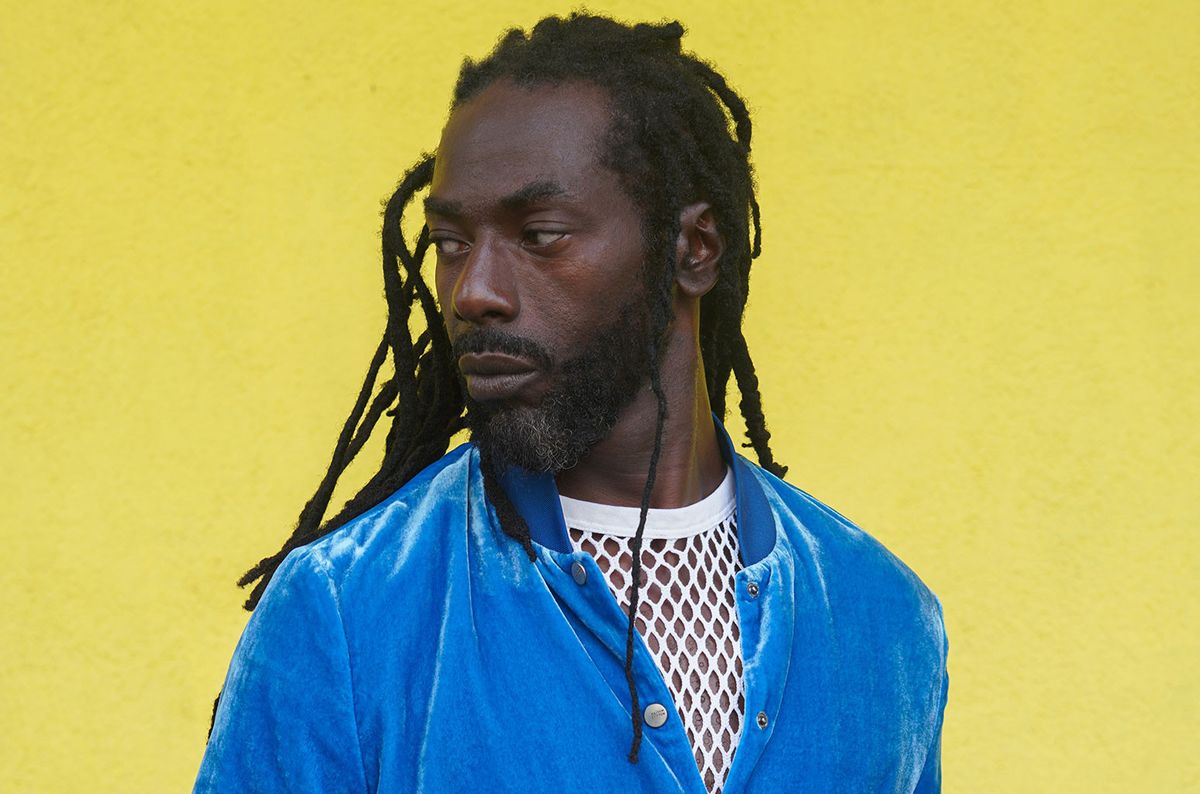
‘Til Shiloh was the transformation of Buju Banton from rude boy toaster to spiritual artist. It was a major transition from dancehall to message music, but Buju was clearly determined and focused on his mission.
The inclusion of “Champion” on that same body of work signalled that the transformation was additive, not subtractive. He was not discarding the dancehall; he was expanding it.
Buju Banton’s ‘Til Shiloh was a fearless record that laid a foundation for dancehall artists. Following its release, Capelton, Sizzla, Anthony B, Beenie Man, and more soon folded Rastafari beliefs into their own music. The record’s influence is still audible today.
A new generation of dancehall artists like Koffee, Chronixx, Chronic Law, Leno Banton, and Protoje are doing the same.
Legacy and Enduring Relevance
Thirty years after its release, “Champion” remains one of the most recognizable entries in Buju Banton’s catalogue, a song that defines a specific and enduring meaning of the word.
In dancehall, a champion is someone whose inner confidence is so complete that it shapes everything around them: the way they walk, the way they speak, the way they love.
Banton delivers that definition with a vocal performance built on deep-toned authority and playful precision.
‘Til Shiloh remains a revelation of emotionally raw yet spiritually informed thinking-man’s dancehall reggae that represented the maturation of Buju Banton’s persona and cemented his status as an international ambassador of Jamaican music.
Within that context, “Champion” is the album’s most direct expression of the core dancehall identity Banton never truly left behind.
The champion meaning, as Buju Banton defines it, is a man fully at ease with who he is, confident enough to lead, tender enough to take your hand, and present enough to make the whole dance floor feel it.