

The marcus garvey meaning at the heart of Burning Spear’s landmark 1975 song is deceptively simple on its surface and almost infinite in its depth.
In barely three minutes of roots reggae, Winston Rodney demanded that the world remember a man the world had largely forgotten: Marcus Mosiah Garvey, West Indian spokesman of Black nationalism and economic development, publisher, journalist, entrepreneur, and founder of the Universal Negro Improvement Association and African Communities League.
For Rastafarians, for Jamaica, and for the global African diaspora, Burning Spear’s chant was not merely a tribute. It was a correction of history.
Who Was Marcus Garvey?
Before unpacking the song, it is essential to understand the figure it memorializes. Marcus Mosiah Garvey (1887 to 1940) was one of the most influential twentieth-century Black nationalist and Pan-Africanist leaders, born on August 17, 1887, in St. Ann’s Bay, Jamaica.
Respectfully dubbed by his admirers as the “Prophet of Africanism,” Garvey is best remembered as a key proponent of the “Back-to-Africa” movement, a socio-political awakening that encouraged people of African ancestry to strive for authentic and full equality by returning to their ancestral motherland.
Garvey left his native Jamaica for the United States in 1916, where he established branches of his Universal Negro Improvement Association throughout predominantly Black communities of the Northeast.
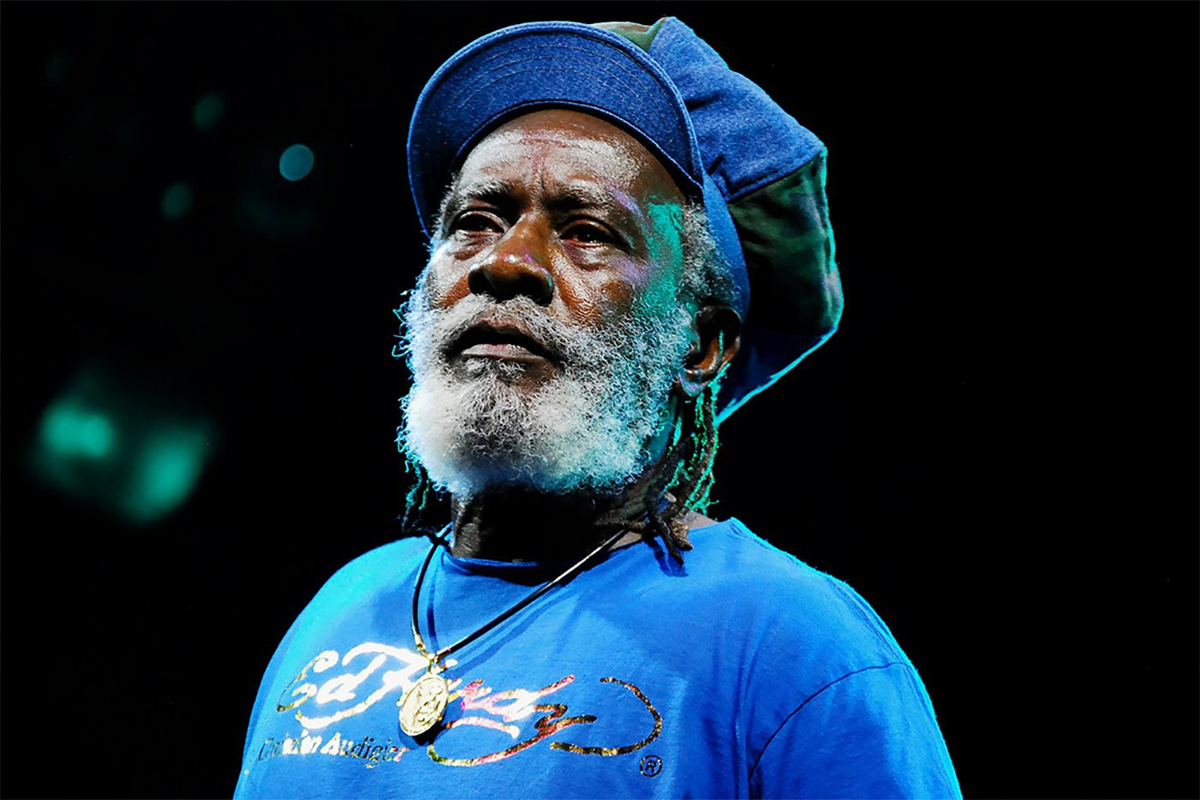
He used his gospel of Black pride and hope for an independent Black African nation to build a following that, he claimed, numbered about two million people in 1919.
At the 1920 UNIA International Convention at Madison Square Garden, with twenty-five thousand delegates and observers in attendance, Garvey issued the Declaration of Rights of the Negro Peoples of the World.
The UNIA’s official newspaper, the Negro World, spread the organization’s philosophy globally, with a circulation of over 200,000 and published in three languages across four continents.
His ambitions were eventually undermined by legal persecution. He was indicted for mail fraud in 1922 and later convicted.
After launching several businesses in the United States, Garvey was convicted of mail fraud and deported back to Jamaica.
He continued his work for Black repatriation to Africa until his death in 1940 at age 52. In a notable postscript, Garvey received a posthumous presidential pardon in his mail fraud case in January 2025.
Central to the marcus garvey meaning within reggae culture is his elevation within Rastafari. Rastafarians regard Marcus Garvey as a prophet, often comparing him to John the Baptist who foretold Christ’s coming.
The pivot point of that belief is a saying widely attributed to him: Many people repeat a saying commonly linked to Garvey: “Look to Africa, when a Black king shall be crowned, for the day of deliverance is near.”
In Rastafari tradition, this line is often understood as a prophecy of Haile Selassie’s coronation. It is worth noting that researchers have not established a clear, reliable source showing Garvey delivered those exact words in that exact form before the coronation.
That does not erase the spiritual meaning the statement carries for many Rastas. It simply asks us to be honest about the difference between documented quotation and living oral tradition.
What is not disputed is that in 1930, Ras Tafari Makonnen was crowned Emperor Haile Selassie of Ethiopia.
Back in Jamaica, a new spiritual movement rooted in Garvey’s teachings was forming. The Rastafari believed Selassie was the living fulfillment of Garvey’s prophecy, a Black Messiah sent to redeem the African diaspora.
Some Rastafarians even consider Garvey part of their Trinity, second only to Haile Selassie in importance.
The Making of the Song and Album
Winston Rodney, born 1 March 1945, is better known by the stage name Burning Spear and is a Jamaican roots reggae singer-songwriter, vocalist, and musician.
Rodney was deeply influenced as a young man by the views of the political activist Marcus Garvey, especially with regard to the exploration of the themes of Pan-Africanism and self-determination.
The name “Burning Spear” itself carries political weight: the name was inspired by Jomo Kenyatta, the first President of Kenya.
It is believed that “Jomo” means “burning spear” in Kikuyu, symbolizing strength, leadership, and courage.
The album Marcus Garvey was released December 12, 1975, on Island Records internationally. This was the first album by Burning Spear recorded for producer Lawrence Lindo, better known by his handle Jack Ruby.
Lindo and Burning Spear reportedly realized the opening title track, “Marcus Garvey,” on their very first meeting.
The album was recorded at Randy’s Studio in Kingston, with its resident Black Disciples band. Spear was accompanied by the Black Disciples, a baker’s dozen of the island’s best musicians, including bassists Robbie Shakespeare and Aston Barrett, guitarists Earl “Chinna” Smith and Tony Chin, and drummer Leroy Wallace.
The harmony singers on the title track are Delroy Hines and Rupert Willington. Producer Jack Ruby’s contribution was equally important to the album’s sound, gracing it with a deep roots mix that accentuated the haunting atmospheres of the music.
Released on December 12, 1975, and a word-of-mouth success rather than an overnight one, Burning Spear’s third album might as well have been his first for all the impact his previous records had made.
Marcus Garvey hit Jamaica like a force ten gale, its legacy so great that in later years many fans mistakenly came to believe it was Burning Spear’s debut album.
It made an instant hero of Winston Rodney, and the album remains a cornerstone of the entire roots movement.
Lyrical Meaning: What the Song Is Actually Saying
The emotional spine of “Marcus Garvey” is an accusation. Rodney, singing in what critics describe as a deliberately halting, controlled quaver, confronts the listener with collective amnesia.
The song’s central refrain insists that the legacy of Garvey had been buried, whether by colonial structures, by the machinery of American law that jailed and deported him, or by simple negligence.
The companion track on the same album makes this explicit: “No-one remember old Marcus Garvey,” Spear sings at the beginning of “Old Marcus Garvey.”
The title track’s meaning is inseparable from this core charge. To invoke Garvey’s name, in the musical tradition Burning Spear is working within, is not nostalgia. It is an act of spiritual retrieval.
A fervent Rastafarian, Rodney used Marcus Garvey as a shining torch to light the way to political and religious consciousness.
The song’s meaning draws directly on the philosophy Garvey spent his life advancing. Garvey’s philosophy of Black separation and the establishment of Black nations in Africa, known as Garveyism, sparked a global movement and went on to inspire members of the Nation of Islam and the Rastafari and Black Power movements.
Marcus Garvey was a prominent orator and activist who advocated for Black Nationalism and Pan-Africanism.
Garvey encouraged African people around the world to be proud of their race and to see beauty in their own kind.
His central belief was that African people in every part of the world were one people and that they would never progress if they did not put aside their cultural and ethnic differences.
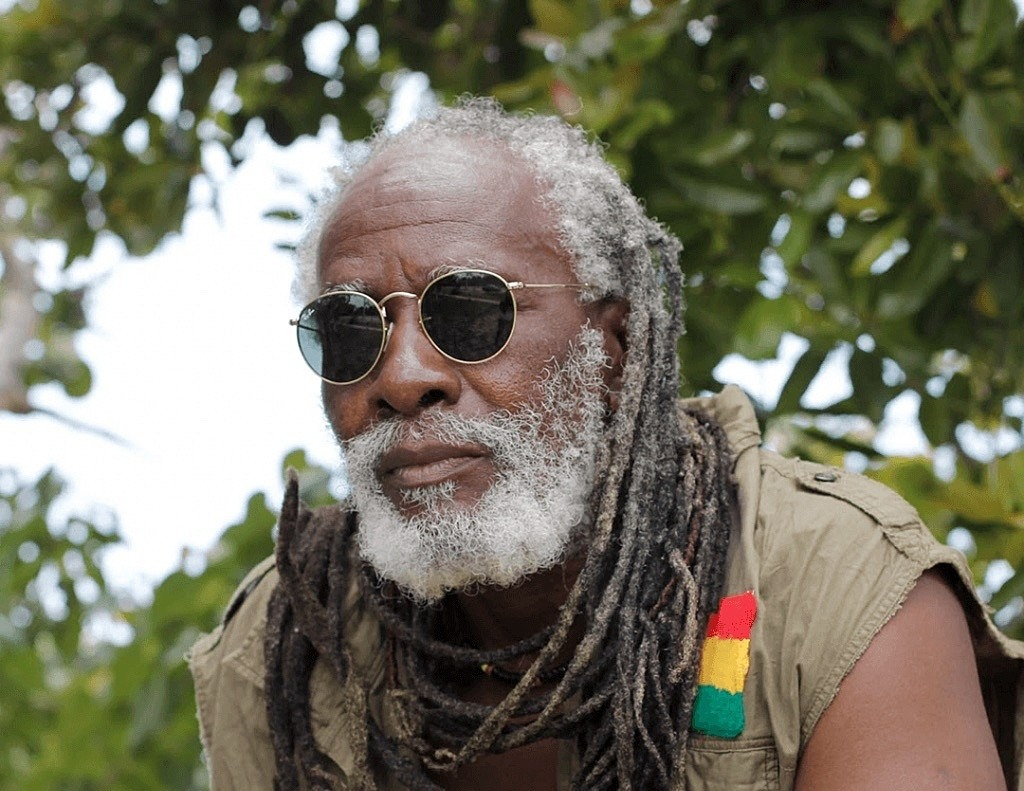
For Burning Spear, singing about Garvey was not an act of biography. It was an act of preaching. If the music itself defined and glorified the roots sound, it was Winston Rodney who gave the movement’s philosophy voice.
The song performs exactly what Garvey called for in life: a refusal to accept erasure, an insistence on Black dignity and historical record.
The prophetic register of the song also channels Garvey’s place within Rastafarian cosmology. Garvey was unique in advancing a Pan-African philosophy to inspire a global mass movement focusing on Africa known as Garveyism.
Promoted by the UNIA as a movement of African Redemption, Garveyism would eventually inspire others, ranging from the Nation of Islam to the Rastafari movement, which proclaims Garvey as a prophet.
When Burning Spear chants Garvey’s name, he is speaking within that tradition, treating the historical figure as a living spiritual presence whose words have already come to pass and continue to matter.
The Album’s Broader World
“Marcus Garvey” the song opens an album that sustains its theme across ten tracks. The album’s twinned themes of cultural concerns and religious devotion combined to create a powerfully intertwined message of faith and political radicalism.
The title track, along with “Slavery Days” and “The Invasion,” are among the album’s strongest tracks, with three devotional numbers equally inspiring.
The album’s afterlife was nearly as significant as its release. A dub version of it was released four months later as Garvey’s Ghost.
However, the remix process created friction: inspired by his issues with Island remixing Marcus Garvey without his permission, Rodney created the Burning Spear imprint to distribute his music, which he used through the mid-2000s before it morphed into simply Burning Music.
Legacy and Enduring Influence
The 1975 Marcus Garvey album was the first to bring Rodney to wider attention outside Jamaica. In the decades since, Burning Spear has built one of the most consistent careers in reggae.
Burning Spear won Grammys in 2000 and 2009 for his albums Calling Rastafari and Jah is Real, respectively.
Winston Rodney was awarded the Order of Distinction in the rank of Officer on 15 October 2007, an important honour in Jamaica.
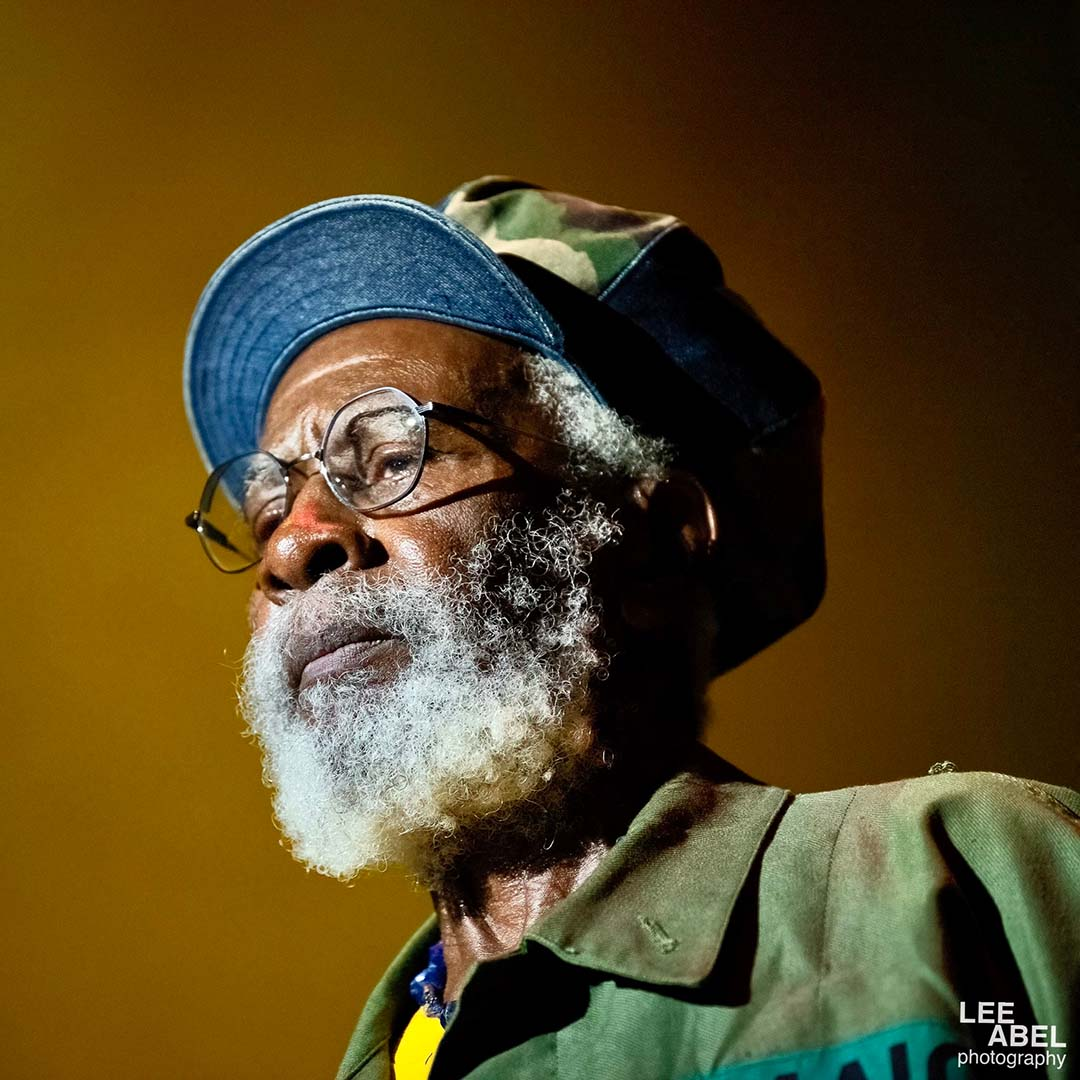
Rodney has continued to preach Garvey’s philosophy of self-determination throughout his career, striving to lead by example.
The marcus garvey meaning embedded in the song has only grown more resonant over time, as debates about Black identity, historical memory, and Pan-African solidarity have remained urgent across the world.
Garvey’s teachings continue to be expressed through reggae music, a powerful medium for spreading Rastafari messages globally.
Burning Spear ensured, with one chanted title, that those teachings would never again be filed away and forgotten. The song is not a history lesson. It is a summons.
Key Facts at a Glance
- Song: “Marcus Garvey” (title track)
- Album: Marcus Garvey
- Artist: Burning Spear (Winston Rodney)
- Released: December 12, 1975
- Label: Fox Records (Jamaica); Island Records (international)
- Producer: Lawrence “Jack Ruby” Lindo
- Recorded at: Randy’s Studio, Kingston, Jamaica
- Harmony vocalists: Delroy Hines and Rupert Willington
- Key musicians: Robbie Shakespeare, Aston Barrett (bass); Earl “Chinna” Smith, Tony Chin (guitar); Leroy Wallace (drums)
- Dub counterpart: Garvey’s Ghost (1976)