

Damian “Jr. Gong” Marley is about to add a very different kind of trophy to his shelf. The University of the West Indies has named the Grammy-winning reggae artist among its 2026 honorary degree recipients, set to receive a Doctor of Letters for his contributions to culture during the Mona campus graduation ceremonies running November 5 to 7.
The DLitt is not handed out lightly. Marley joins 12 other honorees from across the Caribbean, all selected for their role in shaping regional life and development, which puts him in company that goes well beyond the music world.
What makes this recognition interesting is the arc it represents. Marley started performing at 13, released his debut record Mr. Marley while still a teenager, and spent years building a reputation entirely on his own terms, not just as a famous surname.
The breakthrough came with Halfway Tree in 2001, which won him his first Grammy for Best Reggae Album.
That record showed he could hold his own in a genre where his father’s shadow is, to put it mildly, enormous.
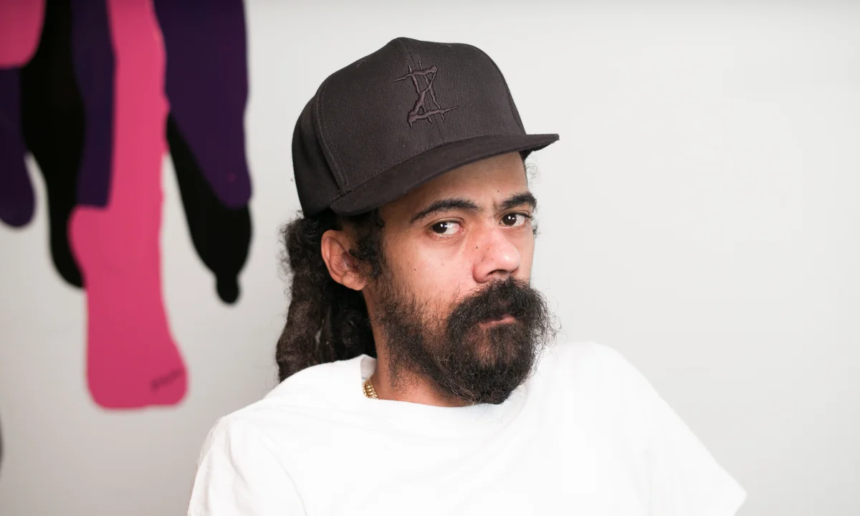
Then came “Welcome to Jamrock” in 2005, the track that really locked in his international profile. The album it came from picked up two Grammy Awards in 2006, Best Reggae Album and Best Reggae Performance, and cemented his reputation for blending reggae, dancehall, and hip-hop in a way that felt genuinely his own.
Three decades into his career, the academic world is now catching up to what music fans have known for a while.
The UWI’s decision to honor him reflects a broader shift in how Caribbean institutions are treating popular culture, treating it as a serious carrier of history, identity, and regional influence rather than something separate from intellectual life.
For Marley, born in Kingston in 1978, this is also a homecoming of sorts. The Mona campus sits in the city where he grew up, and receiving a doctorate there carries a weight that a ceremony anywhere else probably wouldn’t.
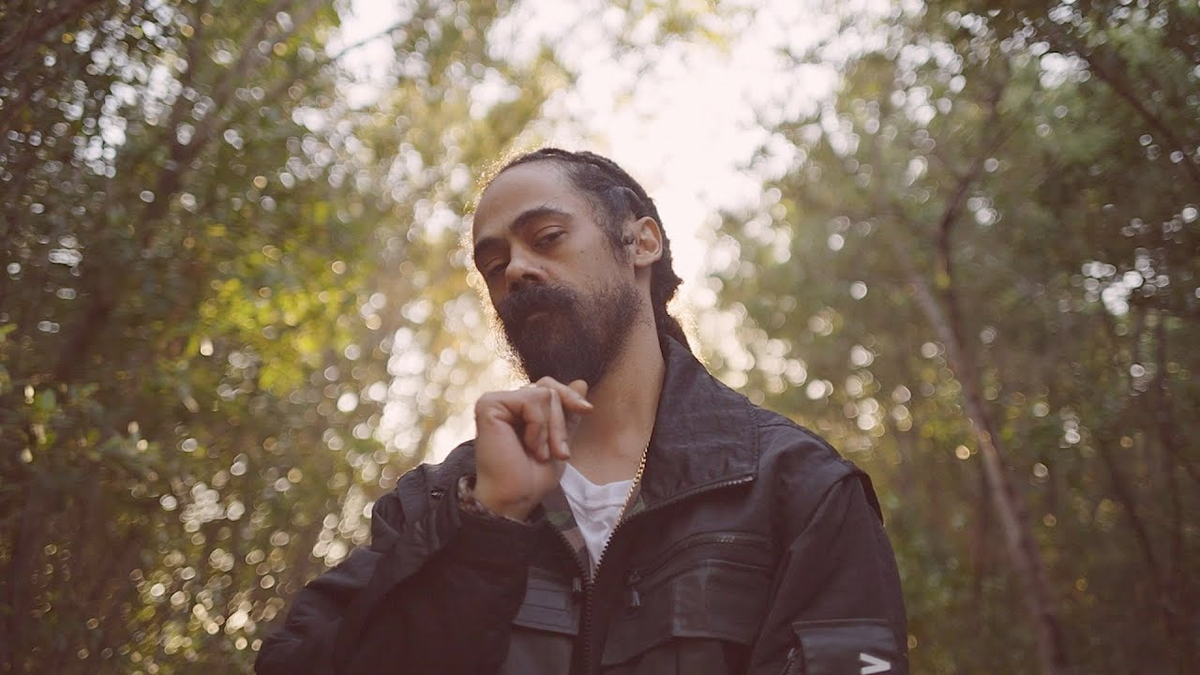
There will be people who raise an eyebrow at honorary degrees going to artists rather than academics, that debate never really goes away.
But the case for Marley is hard to argue against when you look at the reach of his work across the Caribbean diaspora and beyond.
The November ceremonies are still months away, and the full list of 13 honorees has not been completely detailed in public yet.
Thirteen people recognized, one of the most traveled names in reggae among them, and the Mona campus preparing to mark the occasion in a way that feels bigger than a standard graduation weekend.