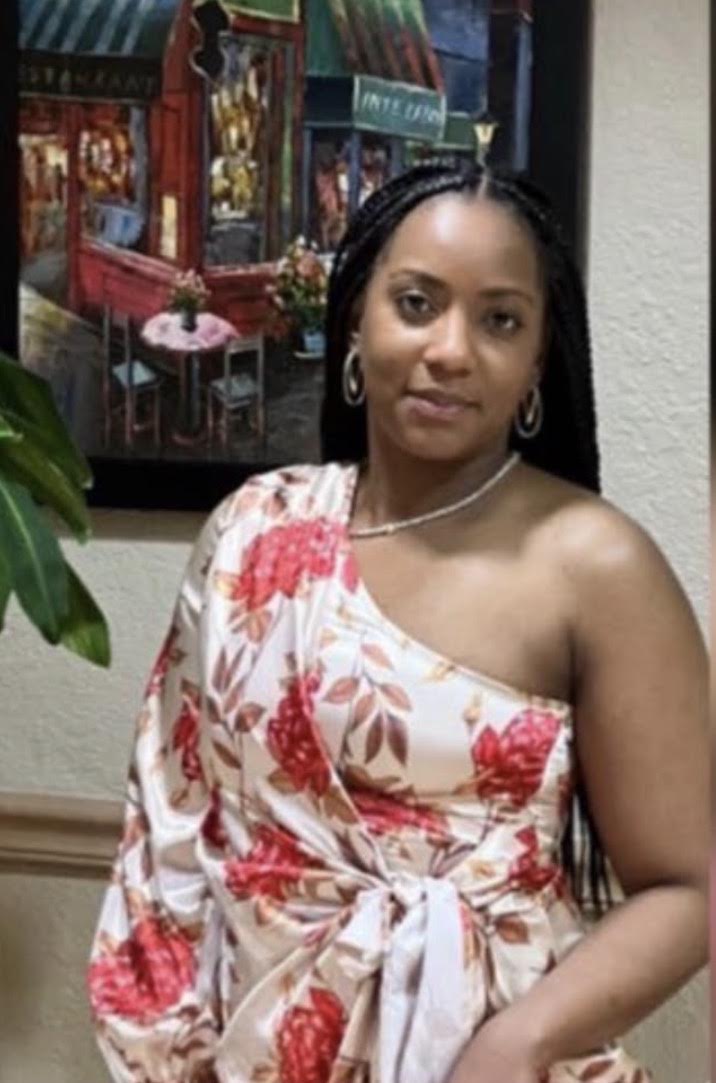

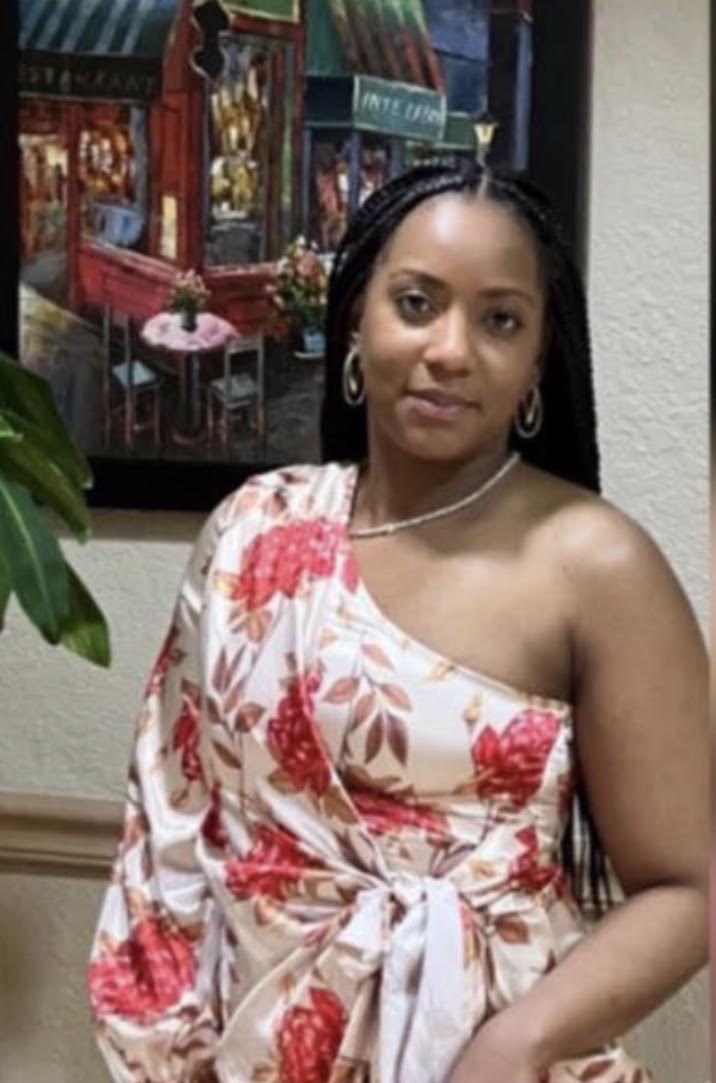
Songwriter Melissa Mais says she has received death threats since filing a federal copyright lawsuit against dancehall star Masicka, claiming the increasingly bitter fallout has left her family fearful for her safety.
Mais, who is seeking to establish her alleged rights to creative works she claims were used without her authorisation, said the threats began after news of the lawsuit became public. Masicka has not yet been served with the court documents, according to Mais.
“My mom is worried. Also my dad—I wouldn’t want him to worry himself to death,” she said.
Mais said her father, Derrick Mais, is a retired school principal who worked with Jamaica’s electoral authorities for more than 20 years and is currently unwell.
“My father is sick. He doesn’t need this drama,” she said.
The songwriter said the mounting pressure has taken its toll.
“I’m frustrated, and I’m taking a break from my device,” Mais said, while remaining adamant about the financial dispute at the heart of the lawsuit.
Her message was blunt: “I NEED MY MONEY.”
The federal copyright case remains pending. Masicka’s songs have already been reinstated on YouTube and other digital platforms after they were initially removed in the wake of her first explosive claim months ago. Ms. Mais’ allegations of copyright infringement have not yet been proven or substantiated.
In the meantime, Mais has written a letter to Prime Minister Andrew Holness with a proposal to strengthen copyright protection and create economic opportunities for Jamaica’s creative community. She posted the letter on her IG page.
Dear Most Honourable Prime Minister Dr. Andrew Holness and Honourable Minister of Culture, Olivia ‘Babsy’ Grange.
I write to you as a writer and creator whose difficult experience with intellectual property has convinced me that a larger conversation is needed about how Jamaica protects the people whose ideas power its extraordinary creative industries.
I recently filed a federal lawsuit in the United States concerning dancehall artiste Javaun Nicholas Fearon, professionally known as Masicka. The lawsuit alleges that original creative works belonging to me were used without my authorization and without the recognition or compensation to which I believe I am entitled.
I fully respect that these allegations must be determined by the courts. I am not asking the Government of Jamaica to intervene in, comment on or prejudge that litigation.
I am asking the Government to consider the larger problem it represents.
Jamaica has given the world reggae and dancehall and has exerted a cultural influence vastly disproportionate to its size. Yet behind every artiste in the spotlight are songwriters, producers, musicians, engineers and other creators whose contributions may be less visible but are no less valuable.
Too often, independent creators lack the knowledge, resources and institutional support necessary to document their work, establish ownership, negotiate fair agreements, understand publishing rights and defend their intellectual property when disputes arise.
My own experience has shown me how emotionally and financially draining that struggle can become. No creator should have to wonder whether his or her contribution matters simply because another party has greater financial resources, industry connections or visibility.
Jamaica has an opportunity to lead.
I respectfully propose the development of a National Creators’ Rights and Intellectual Property Initiative, bringing together the Ministry of Culture, the Jamaica Intellectual Property Office, educational institutions and music-industry stakeholders.
Such an initiative could provide practical copyright and publishing education; affordable or pro bono legal clinics for creators; assistance with registering and documenting works; training in contracts, royalties, licensing and digital rights; and mediation resources capable of addressing disputes before they become expensive court battles.
It should also educate young creators about an increasingly complicated global marketplace in which music moves instantly across streaming services, social media and international borders.
Most importantly, creators should understand before they enter a studio how to document songwriting contributions, agree ownership percentages, use split sheets, preserve evidence of authorship and understand what they are signing.
Copyright education should become part of Jamaica’s creative infrastructure, not something an artiste or songwriter discovers only after a dispute erupts.
There is also an economic imperative.
Jamaican music generates enormous cultural value internationally. Stronger intellectual-property management can help ensure that more of the financial value created by Jamaican music returns to the writers, performers, producers and businesses responsible for creating it.
Protecting intellectual property is therefore not merely about resolving disputes. It is about jobs, exports, investment, cultural preservation and generational wealth.
I would also encourage the Government to explore a dedicated Creator Support Desk through which songwriters and independent creatives could obtain guidance on copyright registration, publishing, royalty collection, licensing, infringement concerns and appropriate legal or institutional resources.
My lawsuit will proceed through the American courts, where I intend to present my evidence and allow the judicial process to determine the outcome. But whatever happens in my individual case, I hope something constructive can emerge from the experience.
I am not seeking special treatment. I am asking that creators—particularly those without powerful labels, publishers or substantial financial resources—have a meaningful pathway to protect what they create.
Jamaica’s music has travelled to every corner of the earth. The systems protecting the people who create that music should be equally ambitious.
The next generation of Jamaican creators should learn not only how to make great music, but how to own it, protect it and build wealth from it.
I respectfully ask your offices to consider this proposal and to advise me of any appropriate copyright, intellectual-property or creator-support resources through which this conversation might continue.
Thank you for your consideration.
Respectfully,
Melissa Mais
Writer / Lyricist / Creative Artist
United States