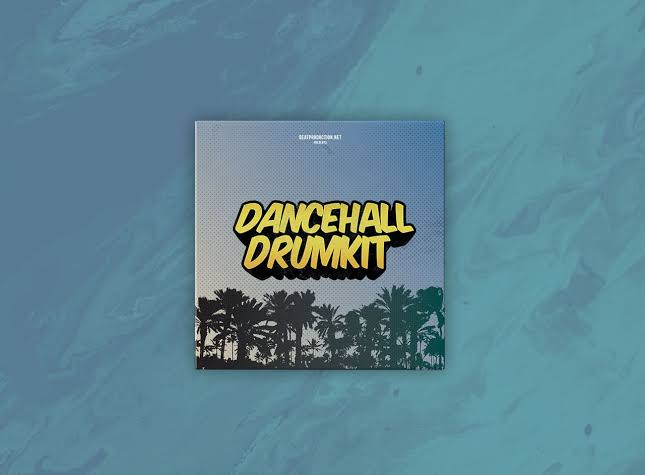

Free dancehall sample packs are one of the fastest ways to get a professional-sounding riddim into your DAW without spending a cent.
Whether you are building your first one-drop groove or producing a full Afro-dancehall fusion project, the right collection of kicks, skank loops, and melodic one-shots gives you an immediate foundation to work from.
This guide covers where to find the best free dancehall sample packs and drum kits in 2026, what to look for inside each download, how to use them correctly in your workflow, and what the royalty-free license you are accepting actually means for your commercial releases.
What Makes a Dancehall Sample Pack Different
Before you download anything, it helps to understand what the genre demands from a sound library, because a generic “tropical” pack and a genuine dancehall kit are not the same thing.
Dancehall was born in the vibrant streets of Jamaica in the late 1970s, as an evolution of traditional reggae, but more direct, more raw, and above all, more danceable.
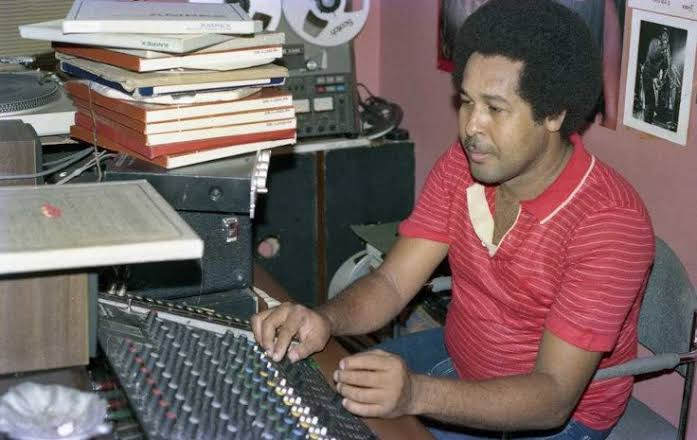
The boom of digital technology in the 1980s was a turning point, thanks to riddims like Sleng Teng, produced by King Jammy.
That digital beat, created with a Casio keyboard, ushered in an electronic era that gave dancehall a new dimension.
That digital origin is why the genre sits so naturally inside a modern DAW. Sleng Teng opened the door for producers and musicians with limited access to traditional studios.
All that was needed was a drum machine or keyboard, making it possible to produce dancehall riddims from small studios, or even bedrooms.
Tempo is one of the most discussed variables in dancehall production, and sources do not all agree on a single number.
Tempo is one of the most important aspects of creating a dancehall beat. Classic dancehall is usually in the 80 to 100 BPM range, which gives it that laid-back yet dynamic bounce feel.
Some sources place standard Jamaican dancehall slightly lower: standard Jamaican dancehall typically runs between 75 and 90 BPM, slower than most people expect, with a specific “one drop” or “steppers” rhythmic feel. Contemporary dancehall and Afro-dancehall hybrids, however, often push faster.
The riddim is the backbone of dancehall, typically characterized by a fast tempo, usually within the range of 130 to 140 BPM.
When downloading a free pack, pay close attention to the labeled BPM range so you know whether you are getting classic-era material or modern dancefloor-ready content.
Dancehall is built on energetic, syncopated rhythms, usually featuring tight percussions, heavy basslines, and driving snares.
A useful pack will typically include kick drums tuned for sub-bass impact, rimshots, snares, hi-hat patterns in the dembow-adjacent grid, percussion one-shots (shakers, woodblocks, tambourines), bass loops or one-shots, and melodic stabs or chord loops.
Loopmasters, for example, offer dancehall acapellas, liquid synths, horn sections, guitars and the perfect dancehall drum kit to lay down the groove. That breadth is the benchmark.
A pack that gives you only drum loops without one-shots will limit your flexibility, so prioritize libraries that deliver both.
Where to Find the Best Free Dancehall Sample Packs in 2026
1. Looperman
Looperman is one of the internet’s longest-running community-driven sample libraries, and its dancehall section is genuinely active.
The platform hosts 100 BPM dancehall riddim drum beats as well as loops crossing over into Reggaeton and Dancehall styles at 95 BPM, with contributors uploading new material regularly through 2024 and into 2025.
All loops on the platform carry individual contributor licenses, so read the notes on each loop before downloading.
The search filters allow you to sort by BPM and key, which matters when you are trying to match loops to a riddim already in progress.
Best for: Producers who want to browse single loops rather than commit to a full pack, and who enjoy discovering community producers from the Caribbean and its diaspora.
2. Slooply
Slooply maintains a dedicated dancehall section within a broader royalty-free catalog. Their dancehall collection contains all the elements needed to build professional dancehall music, with all samples being 100% royalty free.
You can download thousands of free dancehall sounds and samples, including drum loops, one shots, and melodies.
Best for: Producers who want a single destination with free packs organized by subgenre, covering both classic and modern dancehall.
3. Loopmasters (Free Starter Pack and Label Samplers)
Loopmasters is one of the most reputable commercial sample libraries globally. While most of its dancehall catalog is paid, the platform offers free label sampler packs periodically, and its reggae and dub free starter pack is a well-known entry point.
Featuring a handpicked selection of 100 high-quality samples, the pack is a treasure trove for any musician looking to capture the essence of reggae and dub, from deep resonant basslines to crisp, skanking guitar riffs and immersive drum loops.
Loopmasters dancehall loops come performed and processed to give you instant soundclash impact, with one-shot samples, synth presets, MIDI patterns, and sampler patches formatted for the biggest DAWs.
Best for: Producers who want a taste of professional-grade production before investing in a paid pack, and who need DAW-ready formats including Logic, Ableton, and Kontakt patches.
4. r-loops.com
R-loops hosts a curated archive of dancehall loops and drum kits with a straightforward download structure. All loops are 100% royalty-free, allowing you to produce high-quality dancehall music without any extra cost.
Each dancehall sample pack with loops is compressed into zip or RAR files, and after unpacking you will find organized and carefully named directories with sound or MIDI files, presets, or plug-ins.
Best for: Producers who want organized, labeled archives they can drop straight into a folder structure or sample manager.
5. Cymatics
Cymatics has become one of the most downloaded free sample resources for producers working in crossover genres.
For dancehall-style samples, the Orchid Sample Collection is one of the better resources on the platform, with a wide variety of different sounds and Latin-inspired loops.
The sample makers studied the production of top dancehall songs and used them as inspiration to create the drum loops and melodies in the pack.
Inside, you will find 100 or more stereo percussion one-shots, from instruments such as bongos, gongs, djembes, and jingle bells, all recorded using the Sony C800G microphone and Earthworks QC50 microphones.
Best for: Producers who want high-end recorded percussion with a Latin-Caribbean crossover feel, particularly those building dancehall-reggaeton fusion tracks.
6. Chrisville Beats
Chrisville Beats offers a dedicated free dancehall drum kit designed specifically for 2025/2026 production standards.
These packs contain high-quality samples ready for any DAW, including FL Studio, Ableton, and Logic Pro, and are available in convenient ZIP files.
The Dancehall Essentials Kit is packed with deep kicks, sharp snares, and rhythmic percussion loops, giving you the essentials for creating classic and modern dancehall beats.
Best for: Beginner producers who want a single zip download with a clear, genre-specific focus and no browsing required.
Understanding the Free Licence: What You Can and Cannot Do
Downloading a free dancehall sample pack does not mean you can do anything with it. Understanding the license terms before you release a track commercially is non-negotiable.
A royalty-free sample is audio you can use in commercial releases without paying ongoing fees after you get it. You pay once or access through a subscription, and you are cleared to release on streaming platforms, sync to video, or sell beats.
However, the term “royalty-free” is not the same as “copyright-free.” The creator still owns the samples, but gives you permission to use them. Royalty-free means you can use the sounds in your music without paying extra royalties after purchase.
What producers most commonly get wrong is assuming all royalty-free licenses are identical. The biggest mistake is assuming all royalty-free licenses are identical. They are not.
One company might allow full commercial release with no extra steps. Another might allow song releases but ban use in film trailers, games, or standalone music libraries.
There is also the Content ID issue to consider. Some royalty-free libraries register their samples with YouTube’s Content ID system, which can trigger claims on your uploads even when you have a valid license.
Look for libraries that explicitly state their content will not cause ID conflicts, or that provide documentation to dispute claims quickly.
The practical rule: always open the readme or license PDF inside the zip file before building a track you plan to release. Always check the specific license agreement included with the download.
On platforms like Looperman, where individual contributors upload loops, each file may carry a different license set by that contributor, so check per-file rather than assuming the platform’s general policy covers everything.
How to Use Free Dancehall Sample Packs in Your DAW
Step 1: Download and Extract
Download and unzip the samples, extracting them from the ZIP files, then import them into your DAW by dragging and dropping, whether it is FL Studio, Logic Pro, or Ableton Live.
Keep your folder structure clean from the start. Rename directories so you know immediately whether you are opening kicks, snares, loops, or one-shots.
Step 2: Match BPM Before You Build
Set your DAW project tempo to match the BPM labeled on the loops you are using. Most well-curated free packs label the BPM in the file name.
If the pack does not include labels, use your DAW’s warp or time-stretching feature, but be aware that heavy time-stretching on drum transients can introduce artifacts that undermine the crispness that dancehall demands.
Step 3: Layer Your Drum Foundation
Start by layering kicks, snares, and percussion to create your dancehall beat, then add FX and vocal chops.
In practice, a classic dancehall approach places the kick on beat one, a rimshot or snare on beats two and four, and uses the hi-hat pattern to drive the syncopation.
The one-drop pattern, where the bass drum and snare hit together on beat three, is the foundational technique in roots-adjacent styles.
Step 4: Build the Riddim Structure
Producing a riddim is a mix of precision and simplicity. Often these are minimal structures, with an emphasis on rhythmic repetition, leaving enough space for the vocals and lyrics to take center stage.
The key is to create something that is memorable but flexible enough to support multiple interpretations.
Resist the instinct to overcrowd the mix. Dancehall production lives in the space between sounds as much as in the sounds themselves.
Step 5: Add Melody and Bass
Once your drum foundation is locked, bring in bass one-shots or loops from your pack and construct a bass pattern that complements the kick placement. Melodic stabs, keyboard riffs, or horn hits from your pack then sit on top.
Modern dancehall has absorbed Afrobeats textures, trap hi-hat patterns, and digital synthesis, which means producers creating dancehall, reggae dancefloor, tropical house, or Caribbean-flavored tracks need punchy bass, syncopated drum grooves, and vocal chants with attitude.
Do not be afraid to layer sounds from two different free packs, but check that both are licensed for commercial use before you release.
Step 6: Process for Punch
Free samples often need a degree of treatment to sit in a mix. Apply gentle saturation or transient shaping to your kicks and snares to add presence without clipping.
A high-pass filter on percussion loops removes low-frequency mud that can compete with your bass. Use parallel compression on your drum bus to preserve the natural transients while adding weight.
Tips for Getting Maximum Value from Free Packs
- Chop and repitch. A single free one-shot becomes a melody line when you program it across multiple MIDI notes. This is how professional producers disguise the origin of a stock sound.
- Layer across packs. Combine a kick from one free kit with a hi-hat from another. Layering differentiates your riddim from the thousands of producers using the same download.
- Use MIDI files where included. Some packs also include MIDI files for melodic loops. These are particularly useful because you can swap out the sound source entirely while keeping the rhythmic or melodic idea.
- Sample manager software helps. It is easy to download dozens of drum kits that add nothing but clutter to your production workflow. Browsing through endless similar sounds while searching for the perfect snare kills creativity. The smarter approach is to keep a small selection of high-quality drum packs ready to go in your DAW or sampler of choice. Tools like Splice’s built-in browser or a standalone manager like Splice Desktop or Loopcloud let you tag and search by BPM and key rather than scrolling through folders.
Free vs. Paid Dancehall Sample Packs: When to Upgrade
Free packs are an excellent starting point, but there are situations where a paid library is the right investment.
If you are pitching a riddim to a signed artist, releasing on a major distributor, or placing sync in film and TV, the documentation that comes with a paid commercial license from an established provider like Loopmasters or Producer Loops is more legally defensible than a community upload.
Every sample on Splice, for example, is 100% royalty free, meaning they are free to use even for commercial use, and you can download samples, make and release original music, and do not owe anyone more than your subscription fee, even if your track goes viral. That clarity of licensing is part of what a subscription pays for.
The creative case for upgrading is also real. Paid packs from specialist labels tend to include construction kits, which give you a full multitrack riddim broken into individual stems, significantly accelerating the production process for new artists who want a complete, radio-ready foundation.
Final Word
Free dancehall sample packs have never been more abundant or more polished. Platforms like Looperman, Slooply, Cymatics, and Loopmasters’ sampler catalog give any producer access to genre-authentic kicks, skank loops, bass one-shots, and melodic stabs without an upfront investment. The skills that separate a generic result from a distinctive riddim are not in the price of the pack.
They are in how you layer, process, and arrange what you have. Download from the sources above, read every license file, and let the riddim speak for itself.