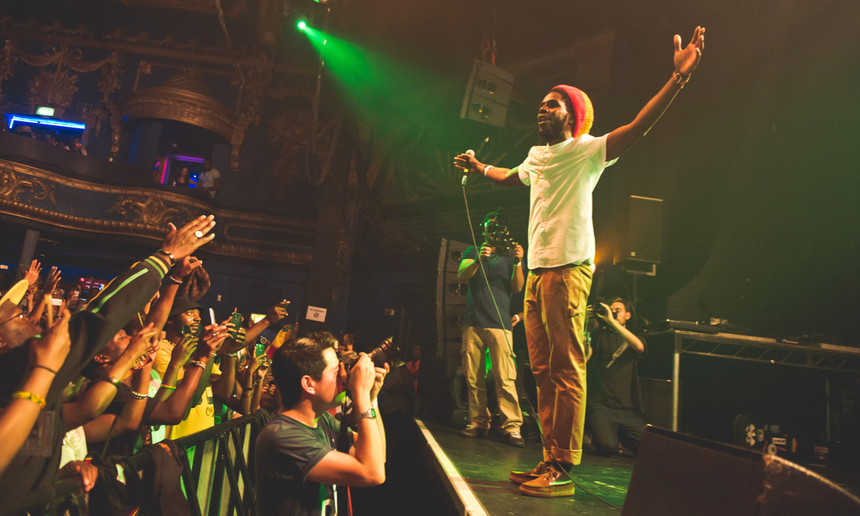

Reggae is a distinctive music genre that originated in Jamaica during the 1960s, evolving from the earlier ska genre.
In the decades since, it has fractured, mutated, and crossed borders in ways its Kingston originators could scarcely have imagined, producing a sprawling family tree of reggae subgenres that now touches virtually every corner of the globe.
Whether you are a longtime listener trying to place a new sound, or a newcomer trying to make sense of how dancehall relates to dub, this guide maps the full spectrum, in chronological order from root to branch.
UNESCO, in its 2018 inscription of reggae on the Representative List of the Intangible Cultural Heritage of Humanity, noted that the music’s “contribution to international discourse on issues of injustice, resistance, love and humanity” means it functions “as a vehicle for social commentary, a cathartic practice, and a means of praising God.” That breadth of purpose helps explain why no single style could ever contain it.
Why Understanding Reggae Subgenres Matters
Reggae is the most famous of a whole interconnected family of Jamaican musical genres. The most important of these genres are ska, rocksteady, reggae, dub, and dancehall.
There are numerous subgenres and specific eras within these genres, but they should be understood as a family of musical styles that make up the tapestry of Jamaican popular music.
Treating all of these sounds as one thing flattens decades of deliberate artistic evolution and erases the distinct communities that built each style. The sections below treat each subgenre on its own terms.
The Predecessors: Mento, Ska, and Rocksteady
Before reggae proper arrived, three earlier styles cleared the path. Knowing them is essential to understanding everything that followed.
Mento is a Jamaican folk music based on traditions brought to Jamaica by West African slaves, which blended with later influences such as the quadrille.
Emerging in the late 19th century, it thrived in the 1940s and 1950s before influencing ska, rocksteady, and reggae.
Mento is distinguished by instruments like hand drums, the rumba box, and banjo, and remains an essential component of Jamaican culture.
It is the genre’s oldest living ancestor, and its rural, acoustic character stands in sharp contrast to the amplified, bass-heavy sounds that would follow.
Ska originated in Jamaica in the late 1950s and was the precursor to rocksteady and reggae. It blended elements of mento, calypso, rhythm and blues, and jazz.
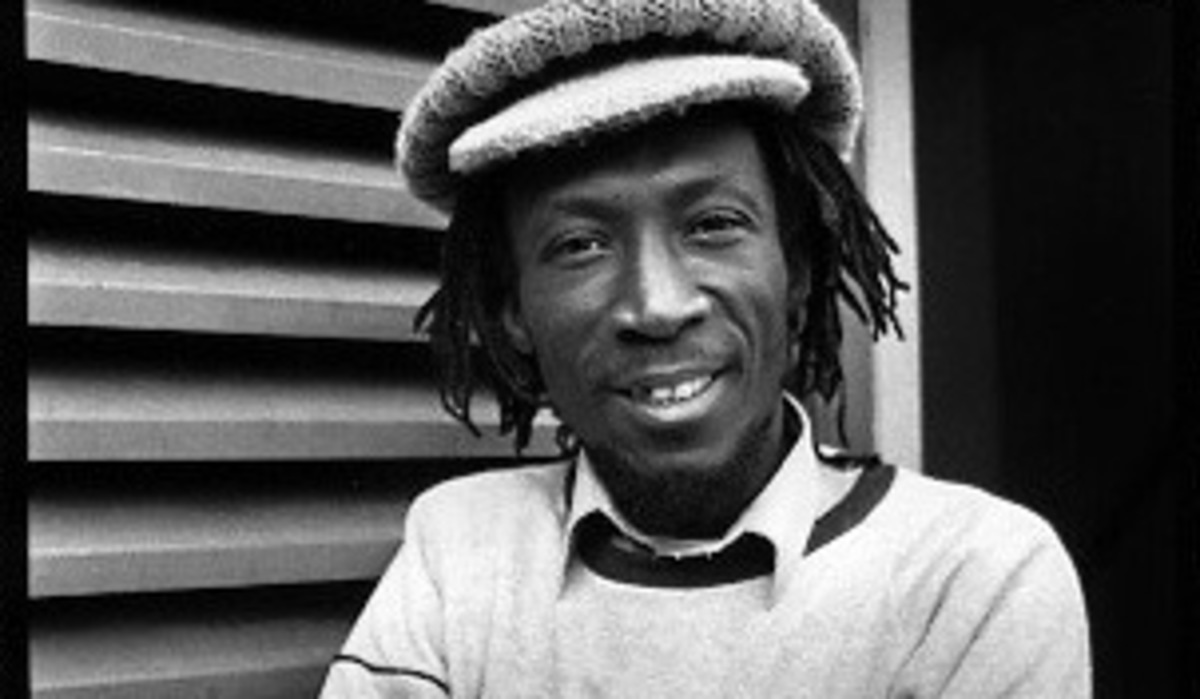
Its characteristic upbeat tempo, syncopated rhythms, and prominent brass instrumentation created an infectious sound that resonated with the lively spirit of the time.
Ska separates itself from other genres through its walking bass line accented with rhythms on the upbeat. In the early 1960s, it was the dominant music genre of Jamaica and was popular with communities abroad, including the British community.
Traditional ska bands generally featured bass, drums, guitars, keyboards, and horns, with saxophone, trombone, and trumpet being most common.
Music historians typically divide the history of ska into three periods: the original Jamaican scene of the 1960s (First Wave) and the English 2 Tone movement as its second wave, with a third wave emerging later in the United States and internationally.
Rocksteady is a music genre that originated in Jamaica around 1966. A successor of ska and a precursor to reggae, rocksteady was the dominant style of music in Jamaica for nearly two years, performed by many of the artists who helped establish reggae, including harmony groups such as the Techniques, the Paragons, the Heptones, and the Gaylads, and soulful singers such as Alton Ellis, Delroy Wilson, Bob Andy, Ken Boothe, and Phyllis Dillon.
The musicians who developed rocksteady were well-versed in jazz and influenced by rhythm and blues and Caribbean music.
The slower tempo and smaller band sizes led to a much larger focus on the bass line, which eventually became one of the recognizable characteristics of Jamaican music.
The term “rocksteady” comes from a popular, slower dance style that is the subject of the Alton Ellis song “Rocksteady,” which matched the new sound.
Some rocksteady songs became hits outside Jamaica, helping to secure the international base reggae music has today.
Core Reggae Subgenres
Roots reggae is the style most people picture when they hear the word “reggae.” Roots reggae emerged in the late 1970s, drawing inspiration from the Rastafarian faith and Pan-African ideologies.
Artists like Burning Spear and Peter Tosh became synonymous with the genre, using their music as a platform to advocate for spirituality, social justice, and African identity.
Themes of resilience and empowerment permeated roots reggae lyrics, resonating with audiences worldwide.
Bob Marley and Peter Tosh dominated Jamaican recordings from around 1972 into the early 1980s with this style. While there are distinct musical characteristics to this era of reggae, the term “roots” often implies more the message of the music than specifically its musical style, and is still often used today to refer either to a musical style or to give context to an artist’s music that may, in fact, cover several subgenres of reggae.
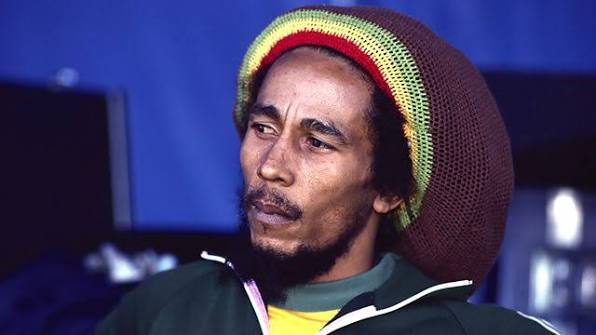
The genre emphasizes themes of spirituality and social rebellion, with strong ties to the Rastafari movement, which promotes the consciousness of the African diaspora and advocates for the return to Africa.
Musically, roots reggae is anchored by slow to mid-tempo grooves, prominent bass lines, organ fills, and conscious lyricism delivered in Jamaican Patois or Iyaric.
The genre is known for its propulsive percussion, hypnotic bass lines, and steady, up-stroke rhythm guitar called the “skank beat.”
Dub is a musical style that grew out of reggae in the late 1960s and early 1970s. At its simplest, dub music is a Jamaican genre that traditionally strips reggae recordings back to drums and bass, then rebuilds them live at the mixing desk with echo, reverb, and delay.
At its most ambitious, it is a complete reimagining of what a recording can be. The original practitioners established dub not just as a distinctive reggae offshoot, but as the prototype for all electronic music and its associated practices.
Songs in the style largely consisted of heavily edited remixes of existing records, which were created by removing the vocal sections and placing even more focus on the rhythm section, or riddim.
Novel audio effects like reverb and delay would then be applied, often generously, and vocal snippets and other instruments from the original song could make their way into the track by means of dubbing or sampling.
Producers like Lee “Scratch” Perry and King Tubby played a pivotal role in shaping dub’s unique sound. By the mid-1970s, most reggae 7″ releases had a “version” on the flip side.
The selector would often flip the single over to follow a regular A-side vocal with the instrumental version.
This practice normalized the idea of the studio itself as a musical instrument, a philosophy that would echo decades later in ambient music, techno, trip-hop, and drum and bass.
Dancehall is a genre of Jamaican popular music that originated in the late 1970s. Initially, dancehall was a more sparse version of reggae than the roots style, which had dominated much of the 1970s.
In contrast to roots reggae, which aimed for respectability and international recognition, dancehall did not hesitate in dealing with the day-by-day realities and basal interests of the average Jamaican, especially those of lower classes, observing society in a provocative and often gritty manner.
Since this put spreading via radio out of the question, dancehall initially gained popularity only through live performances on sound systems and through specialized record dealing.
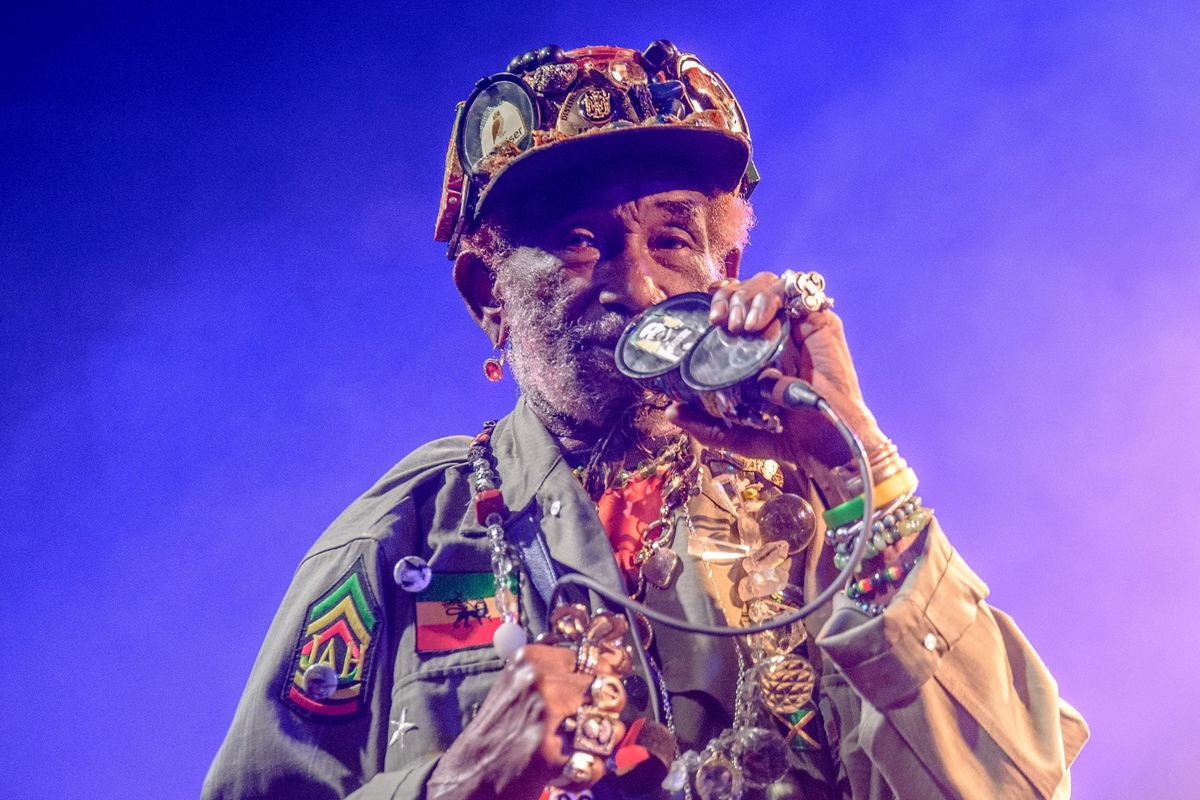
In the early days of dancehall, the prerecorded rhythm tracks, or “dub,” that the deejay would rap or “toast” over came from earlier reggae songs from the 1960s and 1970s. Many people know that American rap and hip-hop had its roots in Jamaican reggae.
The Jamaican toaster deejays used to rap over the instrumental B-sides of reggae singles, and this evolved into reggae deejay or dancehall music.
Early American rap artists locked onto this dancehall approach and molded it into their own urban expression.
A pivotal moment in dancehall’s evolution came in 1985. Producers like King Jammy introduced computerized rhythms, beginning with hits like Wayne Smith’s “Under Mi Sleng Teng” (1985), marking the dawn of digital dancehall, also known as ragga.
Ragga, a contraction of “raggamuffin,” is the digitally produced strain of dancehall that emerged from that watershed 1985 moment.
Where early dancehall still relied on live rhythm tracks, ragga replaced the full band with drum machines and synthesizers, dramatically lowering production costs and opening the door to a new generation of producers and artists.
While controversial for its themes at times, dancehall opened reggae to younger audiences and global crossover, particularly in hip-hop and reggaeton scenes. When digital reggae came to the fore in the mid-1980s, dub’s popularity diminished in Jamaica.
Today’s streaming-era dancehall, with its 808 bass hits and melodic vocal hooks, is ragga’s direct descendant.
Lovers rock is a style of reggae music noted for its romantic sound and content. While love songs had been an important part of reggae since the late 1960s, the style was given a greater focus and a name in London in the mid-1970s.
In the London reggae scene, lovers rock represented an apolitical counterpoint to the conscious Rastafarian sound dominant in Jamaica at the time, a continuation of the soulful and commonly love-themed rocksteady style. It combined the smooth soul sounds of Chicago and Philadelphia soul with rocksteady and reggae bassline rhythms.
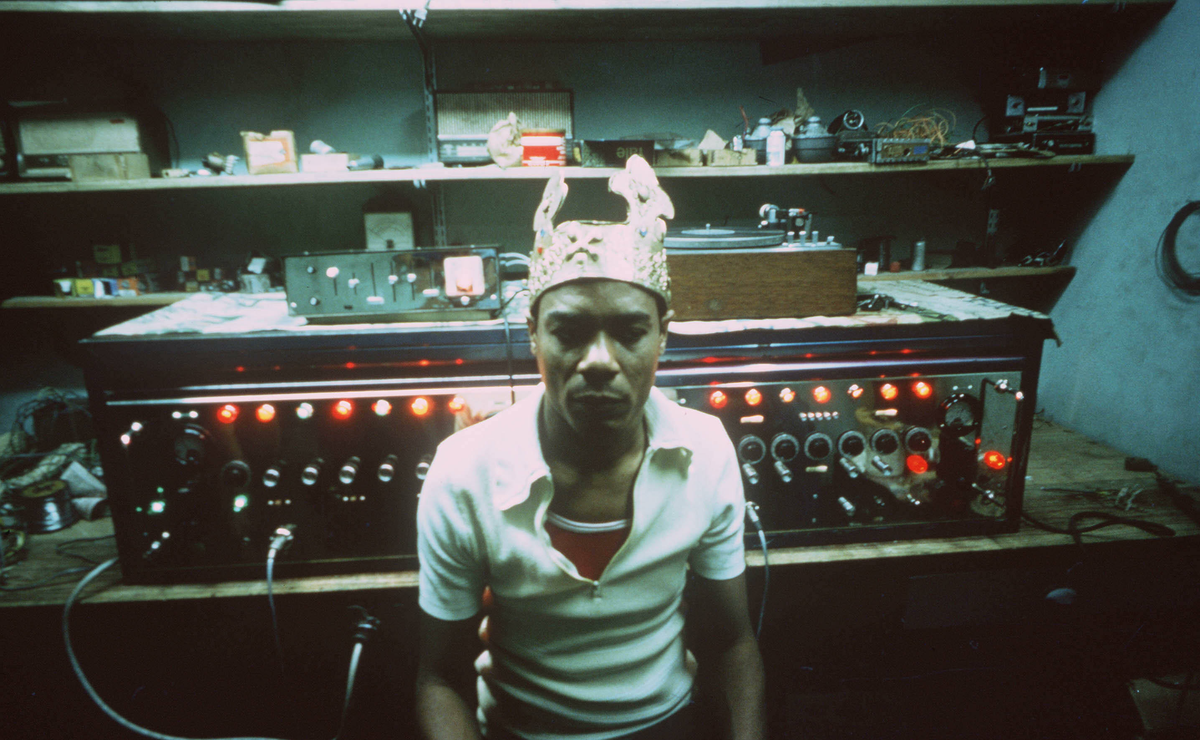
Drawing influences from American soul, R&B, rocksteady, and early reggae, lovers rock is known for its smooth grooves, lush harmonies, and sensual vocals, often delivered by powerful female voices but also by soulful male crooners.
The genre was particularly influential among Caribbean youth in the UK, offering a softer, more emotional counterpoint to the more militant tones of roots reggae and dancehall.
The golden era of lovers rock stretched from the mid-1970s through the late 1980s, with a revival and re-appreciation occurring in the 1990s and 2000s, especially in UK sound system culture.
Though it originated in the UK, its reach spread globally, back to Jamaica, across the Caribbean, and eventually into global reggae circles.
Fusion and International Subgenres
2 Tone was a British movement born in the late 1970s that fused first-wave Jamaican ska with the energy of punk rock.
Named after the Coventry-based record label founded by Jerry Dammers of The Specials, the movement was explicitly multiracial in its iconography and politics, responding directly to rising racism and unemployment in Thatcher-era Britain. Bands like The Specials, Madness, and The Selecter drove the movement.
While brief, 2 Tone was instrumental in introducing Jamaican rhythms to an entirely new white British working-class audience and laid the groundwork for third-wave ska.
Reggae rock, also known as Cali reggae, is a subgenre of reggae fusion and rock music that primarily features reggae, rock, and ska genres.
It originated in Southern California in the 1990s and early 2000s, blending traditional reggae music with ska and American and British rock styles, from classic and grunge to punk.
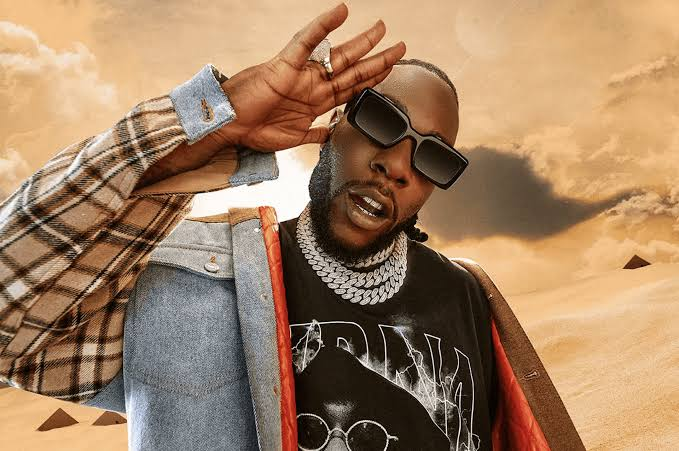
In addition to the Jamaican musical styles of reggae and ska, reggae rock also borrows reggae’s lyrical interest in themes of spirituality and the struggles inherent to daily life.
Bands such as Sublime, Pepper, and Slightly Stoopid popularized the sound across the American West Coast and beyond.
Reggaeton is another of the subgenres of reggae that does not come from Jamaica. Instead, it has its roots in 1990s-era Panama and Puerto Rico.
Its stylistic origins include dancehall, dembow, reggae en Espanol, soca, toasting from Jamaica, and hip-hop. Typical instruments include the drum machine, synthesizer, sampler, and DAW.
Reggaeton went on to become one of the most commercially dominant genres in global music during the 2010s and 2020s, a reach that traces back, ultimately, to the Jamaican sound system tradition.
Reggae fusion draws its stylistic origins from reggae, dub, dancehall, ska, rocksteady, lovers rock, rhythm and blues, pop, hip-hop, rock, jazz, funk, soul, disco, electronic, and Latin music.
It is less a discrete genre than a broad umbrella describing any hybrid that keeps a recognizable reggae element while incorporating other popular forms.
Contemporary artists such as Chronixx, Protoje, Koffee, and Burna Boy operate comfortably in this space, blending Afrobeat, R&B, and hip-hop production with reggae sensibility.
Contemporary reggae fusion subgenres include reggaeton, seggae, two-tone, samba reggae, and reggaestep.
Some of these genres are even more popular in cities like New York, Miami, and London than they are in Kingston.
The Reggae Revival: A 21st-Century Subgenre in Its Own Right
The Reggae Revival movement, led by conscious artists like Chronixx, Protoje, Jah9, and Kabaka Pyramid, returned to the roots themes of unity, spirituality, and resistance.
Emerging in Jamaica in the early 2010s, the Reggae Revival is sometimes treated as simply a nostalgic look backward, but it is more accurately understood as a distinct contemporary subgenre, one that applies modern production values and streaming-era aesthetics to roots-oriented songwriting.
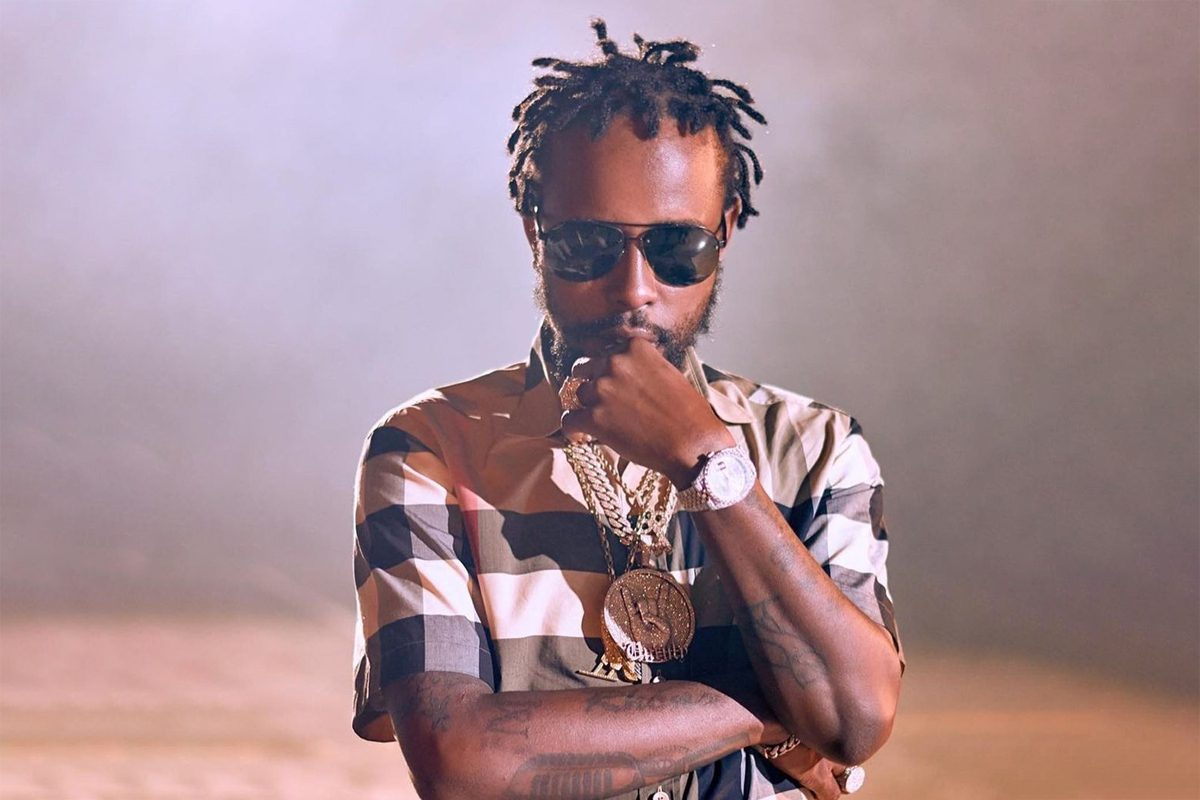
It sits apart from commercial dancehall and from the classic roots recordings it reveres, occupying its own generational moment.
Reggae continues to evolve in the 21st century, with artists blending it with pop, hip-hop, R&B, and Afrobeat.
Meanwhile, dancehall artists like Popcaan, Vybz Kartel, Spice, and Shenseea pushed boundaries and redefined the genre’s global appeal.
How the Reggae Family Tree Connects
The chronological arc runs roughly like this: mento and R&B influence created ska in the late 1950s; ska slowed into rocksteady around 1966; rocksteady transformed into roots reggae and dub around 1968 to 1970; dancehall broke from roots reggae in the late 1970s; ragga digitized dancehall from 1985 onward; lovers rock grew independently in London’s Black British community from the mid-1970s; reggae rock emerged on the American West Coast in the 1990s; reggaeton developed in Panama and Puerto Rico from the 1990s; and reggae fusion and the Reggae Revival represent the genre’s most recent evolutionary stages.
Not all of the important reggae artists lived and played music exclusively in Jamaica. The Jamaican diaspora, particularly the Jamaican community in England, also played a very important role in the development of reggae music. Lovers rock and 2 Tone are the most visible evidence of that diaspora’s creative power.
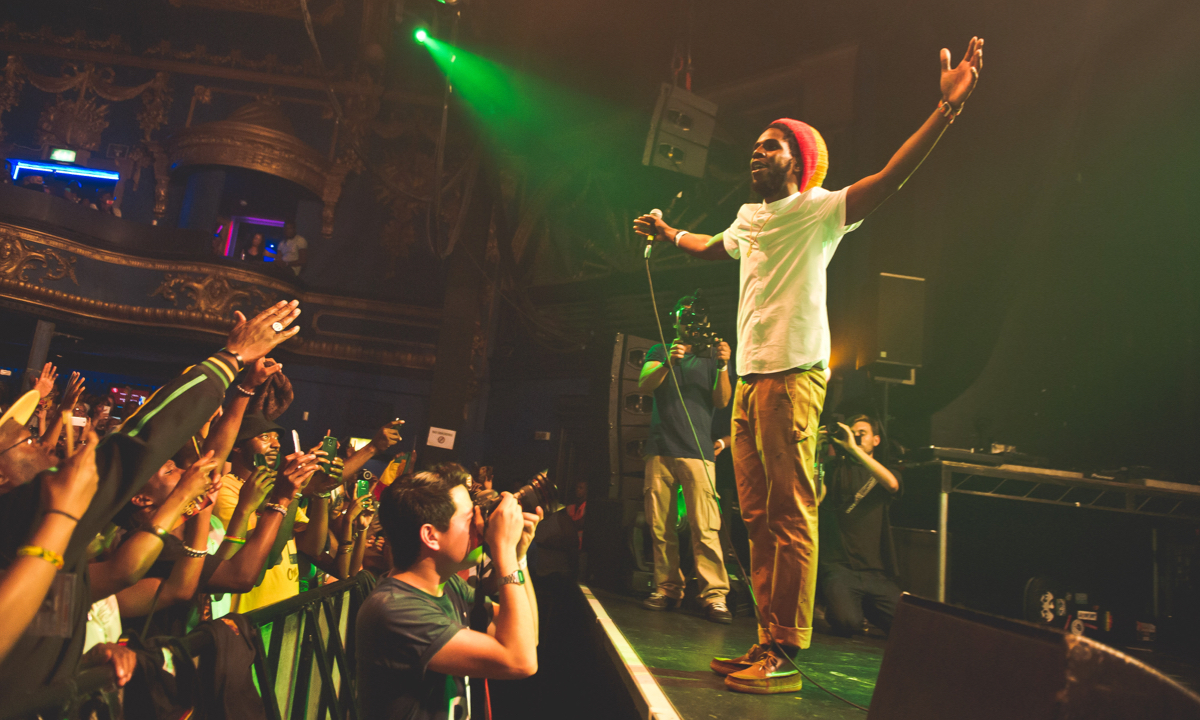
Influencing almost every other dance music genre from techno to broken beat, dub is the ultimate studio-based music, and its DNA runs through genres as far removed from Kingston as drum and bass, dubstep, and ambient electronic music.
A Quick-Reference Glossary of Reggae Subgenres
Mento – Jamaican acoustic folk music; late 19th century to present; the genre’s oldest ancestor.
Ska – Upbeat brass-heavy dance music; Jamaica, late 1950s to mid-1960s; three distinct international waves.
Rocksteady – Slower, bass-focused evolution of ska; Jamaica, 1966 to 1968.
Roots Reggae – Conscious, Rastafari-oriented reggae; Jamaica, early 1970s to early 1980s; ongoing.
Dub – Instrumental, effects-heavy studio remixes of reggae tracks; Jamaica, late 1960s onward.
Dancehall – Deejay-led, rhythm-track-driven popular music; Jamaica, late 1970s onward.
Ragga – Digitally produced dancehall; Jamaica, 1985 onward.
Lovers Rock – Romantic, soul-influenced reggae; London, mid-1970s to late 1980s; ongoing revival.
2 Tone – Ska-punk hybrid with explicit anti-racism politics; Coventry, UK, late 1970s.
Reggae Rock (Cali Reggae) – Reggae fused with rock and punk; Southern California, 1990s to 2000s.
Reggaeton – Dancehall-derived Latin urban music; Panama and Puerto Rico, 1990s onward.
Reggae Fusion – Broad umbrella for reggae crossed with pop, hip-hop, Afrobeat, and more; ongoing.
Reggae Revival – Conscious, roots-influenced contemporary sound; Jamaica, early 2010s onward.
Final Word
The cultural roots and worldwide influence of reggae were formally recognized in 2018 when the genre was added to the worldwide list of “intangible cultural heritage of humanity” maintained by UNESCO.
As UNESCO noted, reggae’s “contribution to international discourse on issues of injustice, resistance, love and humanity underscores the dynamics of the element as being at once cerebral, socio-political, sensual and spiritual.”
That description applies equally well to the full spectrum of reggae subgenres. From a mento rumba box on a Jamaican hillside to a ragga riddim shaking a Kingston dancehall, from a lovers rock blues dance in South London to a Cali reggae set on a California beach, every branch of this family tree carries the same root impulse: music made to move the body and speak to the soul.