
The detail that stood out most from Wednesday’s verdict was not the acquittal itself, but what the judge actually said on her way to delivering it.
Quebec Judge Julie Roy made clear she did not fully believe K’naan’s version of events, yet still found him not guilty of sexually assaulting a woman in his hotel room during the summer of 2010.
That distinction matters. A not guilty verdict in criminal court means the prosecution failed to prove guilt beyond a reasonable doubt, and that is exactly what Roy concluded, saying both accounts were plausible and shared enough overlapping details to prevent her from convicting him.
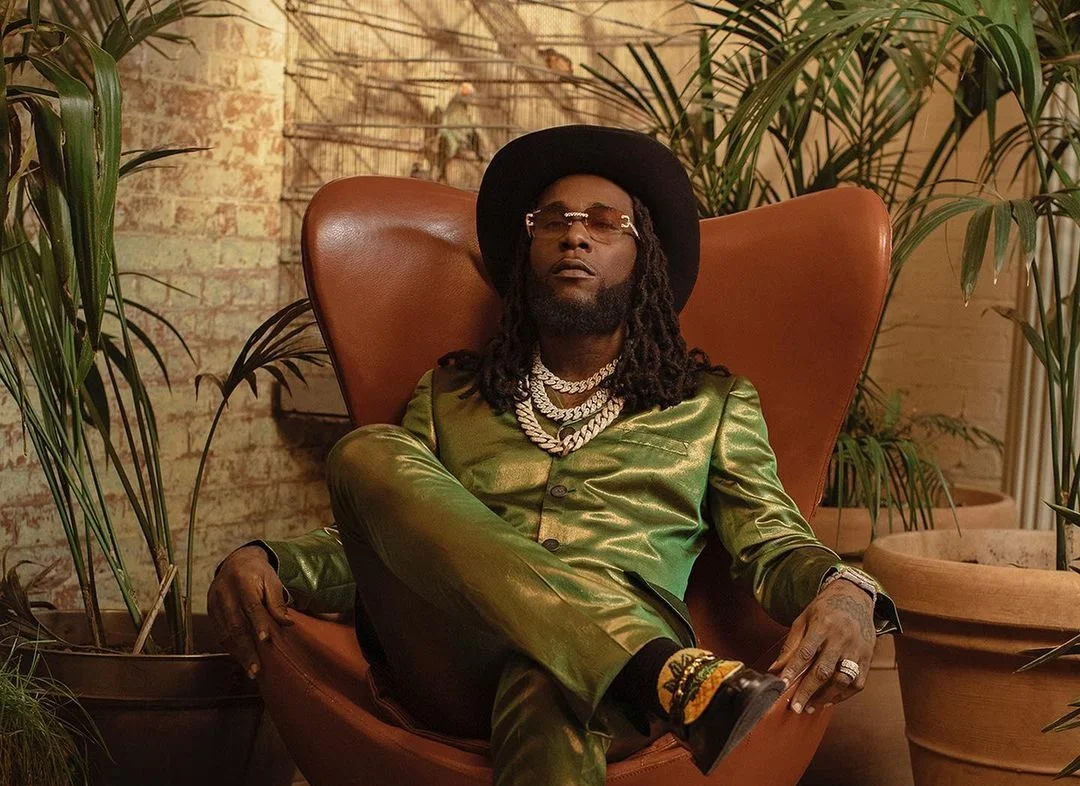
K’naan, the Grammy-winning Somali-Canadian rapper best known for “Wavin’ Flag,” was performing at the Festival d’été de Québec when the alleged incident took place.
The woman testified she met him online before connecting in person at the festival, eventually ending up in his room at the Hilton in Quebec City.
Her account was specific and detailed. She said they argued about condoms, that she refused sex without one, that he became angry, that she pushed him off and they fell asleep, and that she woke hours later to find him on top of her without consent.
K’naan denied all of it, saying the encounter was consensual and took place in the morning, not the middle of the night.
The woman did not go to Montreal police until May 2022, more than a decade after the alleged incident. That gap became part of the legal landscape the judge had to navigate, alongside two accounts that contradicted each other on the most critical points but aligned on several surrounding details.
Roy’s ruling reflects one of the most debated tensions in sexual assault cases, where credibility assessments can go in multiple directions and reasonable doubt can exist even when a judge is not entirely convinced by the accused. She did not call K’naan a credible witness. She simply found the bar for conviction had not been cleared.
The acquittal puts K’naan alongside a short but growing list of entertainers cleared of serious charges in 2026.
Yung Filly was found not guilty of rape in Perth, Australia, in July, though he was convicted on a separate assault charge. British actor Micheal Ward, known for his role in “Top Boy,” was also acquitted of rape and sexual assault in London that same month.
Whether that pattern reflects anything systemic or is simply coincidence is a conversation already happening in legal and cultural circles.
What is clear is that each of these cases carried its own specific facts, its own witnesses, and its own path to a verdict.
For K’naan, the case stretched across 16 years of his career, from the peak of his mainstream visibility to a courtroom in Quebec in 2026. The legal chapter is closed. The conversation around it is not.