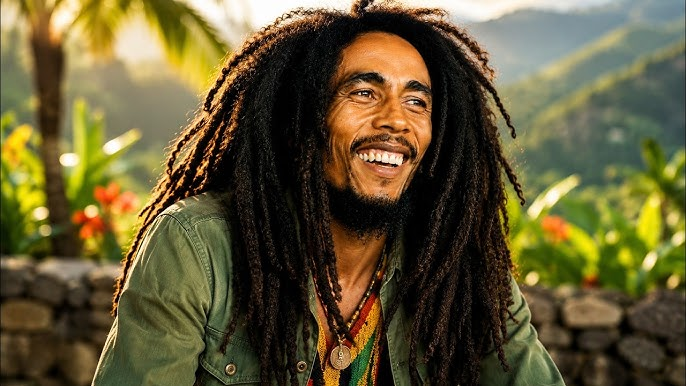

The buffalo soldier meaning packed into Bob Marley’s most historically charged song stretches from the post-Civil War American frontier all the way to the heart of Rastafarian philosophy.
In three compact verses and a chanted refrain, Marley collapsed centuries of Black suffering, forced military service, and resilient identity into a roots reggae track that remains one of the most recognisable songs ever recorded.
Whether you are hearing it for the first time or returning to it after years, understanding what the lyrics actually say, and what they leave unsaid, transforms the listening experience entirely.
The Historical Buffalo Soldier: Who Were They?
Before unpacking the song, you need to know the history it is built on.
Buffalo soldiers were African American soldiers who mainly served on the Western frontier following the American Civil War. In 1866, six all-Black cavalry and infantry regiments were created after Congress passed the Army Organization Act.
The resulting units were the 9th and 10th Cavalries and the 38th through 41st Infantries, which were later reduced to the 24th and 25th Infantries. The law required their officers to be white.
Black Americans, many of them Civil War veterans and former slaves, signed up to join these regiments. At one point, these Black regiments comprised almost one fifth of the Army.
Their main tasks were to help control the Native Americans of the Plains, capture cattle rustlers and thieves, and protect settlers, stagecoaches, wagon trains, and railroad crews along the Western front.
The cruel irony embedded in those orders, that men who had only recently been enslaved were now deployed as enforcers of a westward expansion that dispossessed another group of people, is exactly what Marley seized on when writing the song.
No one knows for certain why, but the soldiers of the all-Black 9th and 10th Cavalry Regiments were dubbed “buffalo soldiers” by the Native Americans they encountered. Two competing explanations have persisted.
One is that the Plains Indians who fought the Buffalo Soldiers thought that their dark, curly hair resembled the fur of the buffalo. Another is that their bravery and ferocity in battle reminded the Indians of the way buffalo fought.
Whatever the reason, the soldiers considered the name high praise, as buffalo were deeply respected by the Native peoples of the Great Plains. Eventually, the image of a buffalo became part of the 10th Cavalry’s regimental crest.
In nearly 30 years of frontier service, Buffalo soldiers took part in almost 200 major and minor engagements. From 1870 to 1890, 14 Buffalo soldiers were awarded Medals of Honor, the Army’s highest award for bravery.
Eventually their ranks would include the first Black graduate of West Point, 23 Medal of Honor recipients, and one woman disguised as a man.
They wore the moniker with pride, and the name encompassed all-Black units in the Army until the military was desegregated after World War II.
How the Song Was Written and Recorded
The song was written by Bob Marley and Noel “King Sporty” Williams and recorded by Bob Marley and the Wailers. King Sporty, born Noel George Williams on September 19, 1943, in Portland, Jamaica, was a Jamaican DJ, reggae musician, and record producer.
His original version of “Buffalo Soldier” was released in the late 1970s. Marley first recorded the song in Miami towards the end of the Kaya tour in 1978.
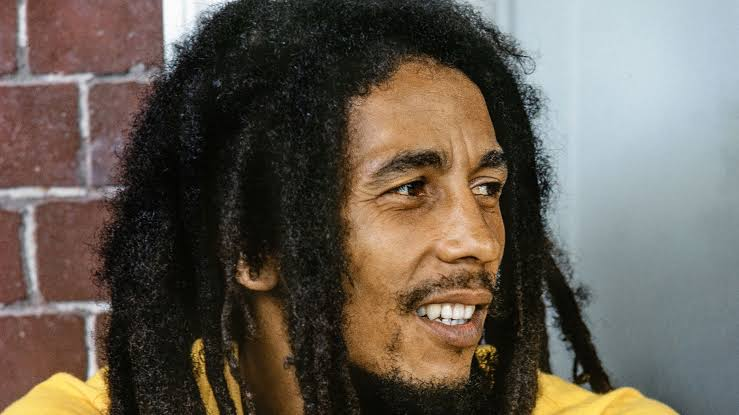
The track did not appear on record until the 1983 posthumous release of Confrontation, when it became one of Marley’s best-known songs. Confrontation is the thirteenth and final studio album by Bob Marley and the Wailers and the only one to be released posthumously, in May 1983, two years after Marley’s death. The songs on the album were compiled from unreleased material and singles recorded during Marley’s lifetime.
Even at the time of its release in 1983, little was known about the soldiers, yet the song aroused a great deal of interest and research and contributed to a differentiated reception. That reception only deepened over time.
Line-by-Line: What the Lyrics Mean
This is the song’s spine. The lyrics specify that the Buffalo soldier was “stolen from Africa, brought to America,” a reference to the fact that these people were brought from Africa to America against their will. Marley does not describe the Middle Passage in abstract terms.
The word “stolen” is deliberate and prosecutorial, positioning the transatlantic slave trade not as a historical event to be processed neutrally, but as a crime with living consequences.
Marley reimagines their story as more than just military history. To him, they symbolize a broader struggle: people of African descent, many of whom were formerly enslaved, conscripted into military service and forced to fight to survive.
The phrase “fighting on arrival” encodes both the literal military service these men performed and the daily resistance required simply to exist with dignity in a country that had held them as property.
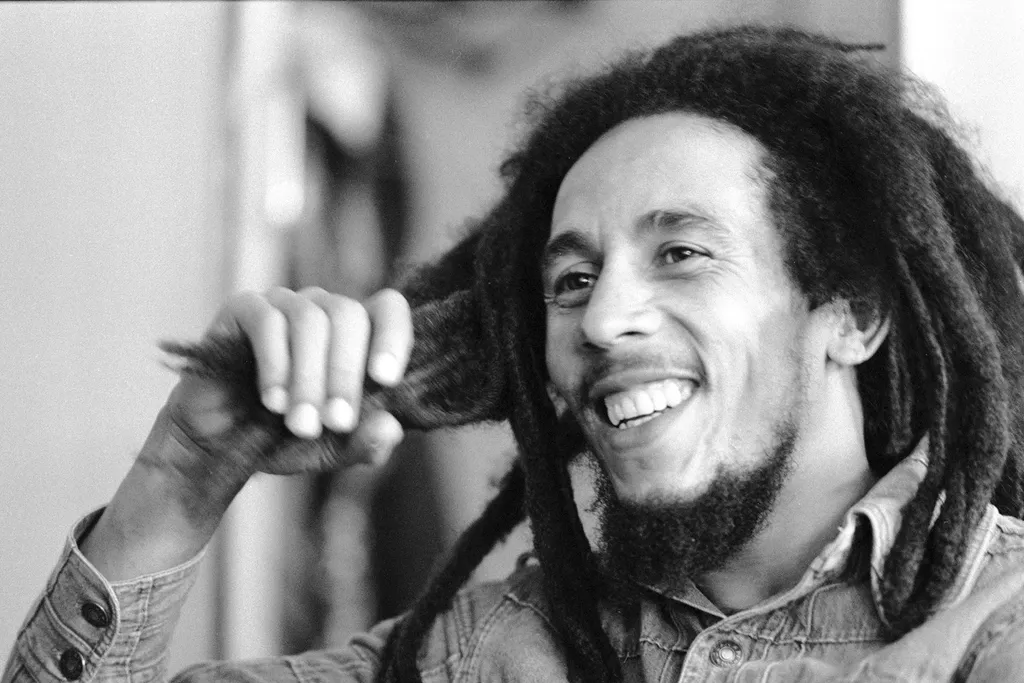
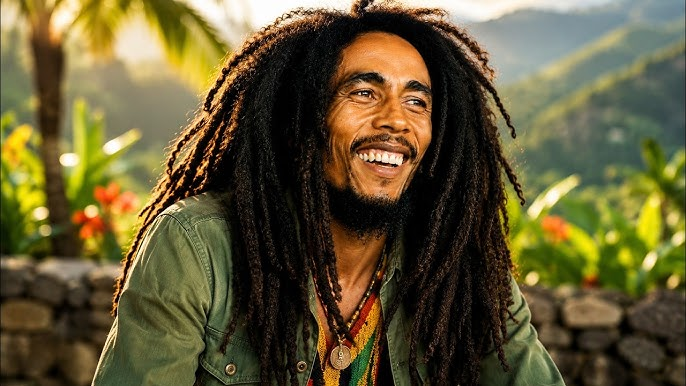
This pairing is the song’s conceptual masterstroke. The phrase “Buffalo Soldier, Dreadlock Rasta” is a reference to Rastafarians who grow dreadlocks, symbolic of the Lion of Judah, sometimes represented on the Ethiopian flag.
Rastas associate dreadlocks with a spiritual journey taken in the process of locking their hair, and believe they represent a spiritualist’s understanding that vanity and physical appearances are unimportant.
The term “dread” that makes up the word “dreadlock” has a sense of “fear, or deep respect for God.”
Marley connects the song to his own Rastafarian identity and sees a continuity between the Buffalo Soldiers’ fight and the fight of marginalized Black people everywhere.
By yoking the 19th-century cavalry soldier to the 20th-century Rasta, he argues that these are not two separate stories but a single, unbroken narrative of Black survival and resistance.
Marley linked the soldiers’ fight to a fight for survival and recast it as a symbol of Black resistance as a whole. This verse is the song’s most direct address to the listener. Marley is not simply retelling history. He is issuing a challenge.
The song raises awareness about the historical experiences and contributions of African Americans while calling for unity and justice. It encourages listeners to reflect on the past, question the prevailing narratives, and work towards a more inclusive and equitable society.
The line lands with biting irony. Marley makes a reference to how African Americans fought in wars and helped build the United States for what it is today.
Men who had been enslaved by the nation they now served, and who remained subject to legal segregation, were nonetheless expected to defend and expand that nation’s territory. It is ironic that the Africans who were being oppressed fought for the American cavalry, who were fighting against the Native Americans, which were another oppressed race.
Musically, the song rolls with a steady, percussion-driven reggae rhythm. There is a haunting chant in the chorus that gives it a spiritual, almost gospel-like feel. Marley’s vocals are grounded and soulful, delivering both the historical weight and the emotional drive.
It is worth noting that the song’s bridge, with the chanted lyrics “woy! yoy! yoy!,” is similar to the chorus of the Banana Splits’ “The Tra-La-La Song,” the 1968 theme from their TV show, written by Mark Barkan and Ritchie Adams. Whether the resemblance was intentional or coincidental is not publicly confirmed.
The Music Video
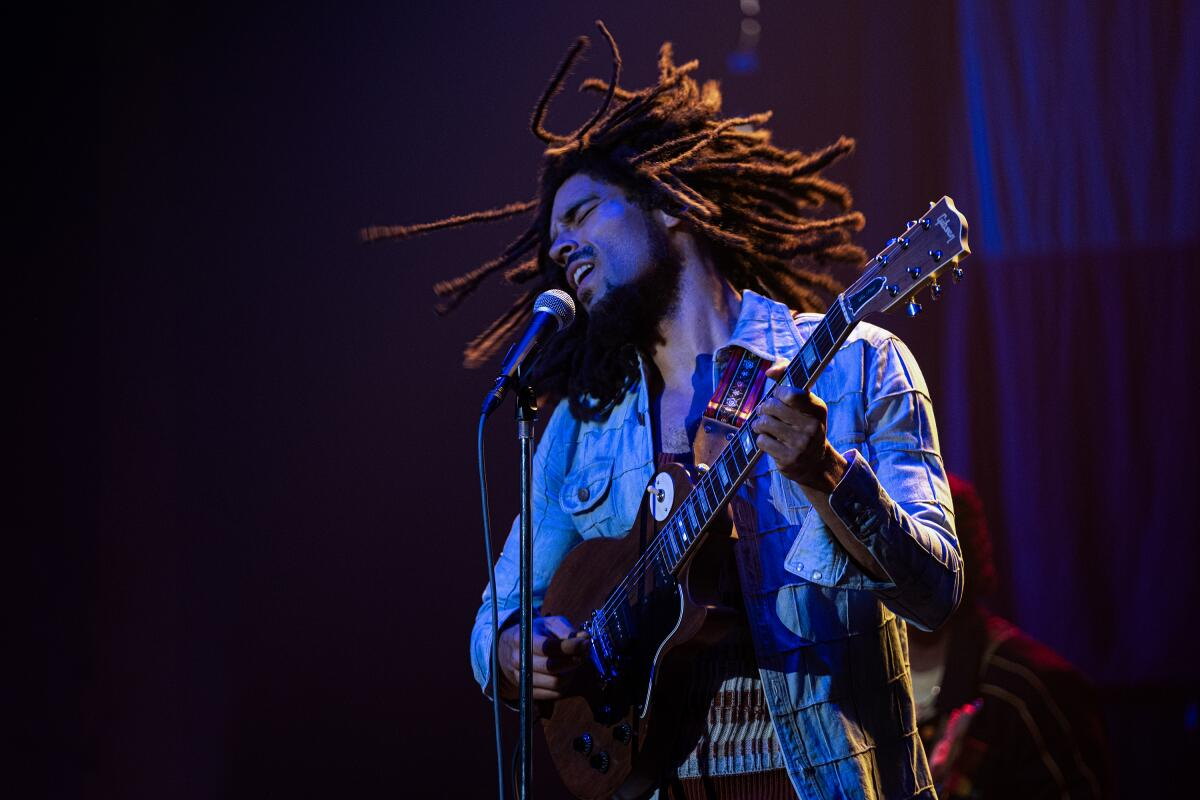
A music video was produced for “Buffalo Soldier” to promote the single. The video depicts Marley and friends dressed as Union Army Buffalo Soldiers while running through a forest, drinking water from a river, and firing a cannon during the American Civil War, with footage of them producing the song in the recording studio interspersed throughout.
The visual commitment to staging the historical period underscores that Marley and his collaborators understood the gravity of the subject matter rather than treating the history as mere lyrical backdrop.
Chart Performance and Legacy
The song’s commercial performance was remarkable for a posthumous release. It entered the UK Singles Chart on May 7, 1983, spending 13 weeks on the chart, with three weeks in the top ten, and peaking at number 4 on June 11, 1983. In New Zealand, it peaked at position 3.
The success of “Buffalo Soldier” in 1983 catapulted the Confrontation album to number 31 on Billboard’s R&B Albums chart and number 55 on the Billboard 200 albums chart.
The song was included on Confrontation (1983) and also on the hits collection Legend (1984), which became the best-selling reggae album of all time.
Legend is widely regarded as the most successful reggae album ever, having sold over 25 million units around the world.
Decades later, the song’s reach only continued to grow. Bob Marley and the Wailers’ “Buffalo Soldier” was certified Platinum in the United Kingdom on June 3, 2022.
According to the British Phonographic Industry (BPI), the song was issued the Brit Certified Platinum Award after it sold over 600,000 units in the UK.
While the song was hugely popular, the men behind it were not. As the first African American U.S. Army units after the Civil War, the Buffalo Soldiers were some of America’s unsung heroes until Bob Marley made their story famous.
That observation from Ancestry.com’s 2013 anniversary campaign captures something essential: a Jamaican reggae artist, drawing on Rastafarian consciousness, did more to mainstream the Buffalo Soldiers’ story than most American history curricula had managed to that point.
Why the Buffalo Soldier Meaning Still Resonates
The philosophical core of “Buffalo Soldier” revolves around historical consciousness, cultural identity, resistance, and perseverance. The song does not offer comfort or resolution. It presents history as something that must be known and confronted, not softened.
Written by Marley and King Sporty, the protest song describes the Black man’s role in building countries that continue to oppress him.
Bob Marley died in 1981 of cancer at the age of 36. King Sporty died in 2015 in Miami at age 71. Neither lived to see the full extent of the song’s cultural footprint.
Yet the track they built together, assembled from a colonial wound and set to one of the most recognisable rhythms in popular music, endures as a lesson in what it looks like to know your history, and to demand that others know it too.