

The Peter Tosh death remains one of the darkest nights in Jamaican music. On Friday, September 11, 1987, a three-man gang rode up to the Stepping Razor’s home on Barbican Road in St Andrew.
By the end of the evening Tosh, just 42, was dead alongside two friends. The man at the centre of it all was someone Tosh had fed, given a bed to and tried to help find work.
Only six years after Bob Marley’s passing, reggae lost another original Wailer, and this time not to illness but to bullets.
What follows is how that night unfolded, how Dennis “Leppo” Lobban ended up in the dock, and why the questions around it have never fully gone quiet.
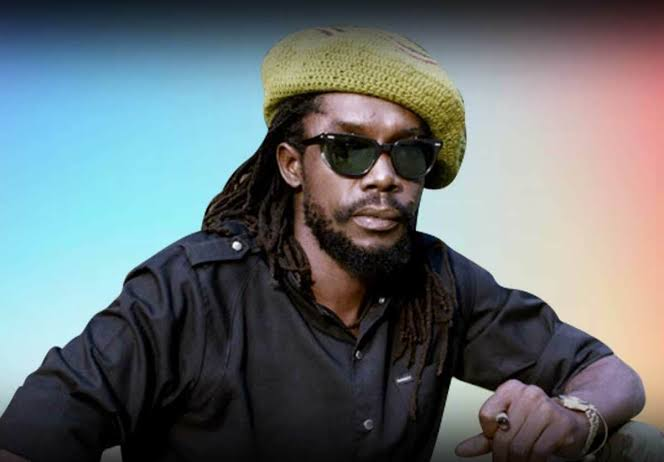
The Stepping Razor in 1987
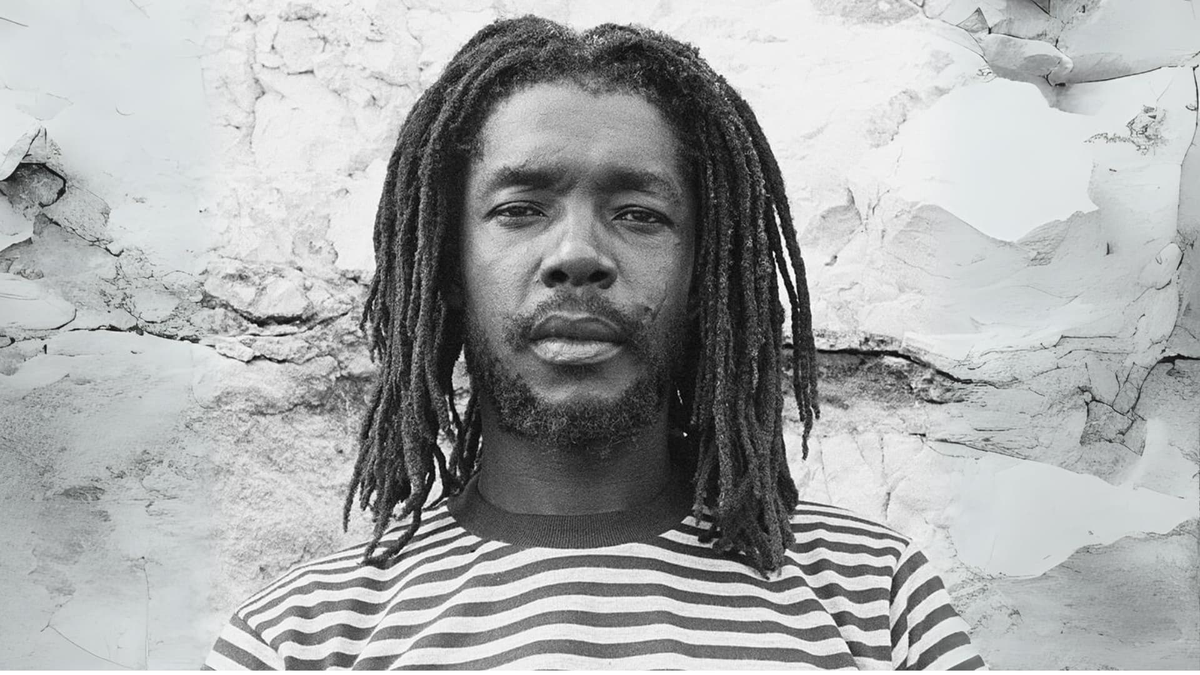
Born Winston Hubert McIntosh on October 19, 1944, Tosh had spent his career refusing to bend.
The most famous image of that defiance came at the One Love Peace Concert in 1978, when he smoked a spliff on stage and lectured Michael Manley and Edward Seaga to their faces about the suffering of the poor.
That performance came with a price. Police attention on him became a regular feature of his life in the years that followed.
By 1987 he had a new album, No Nuclear War, and a fresh frustration to go with it. He had recently come back from meetings in New York about the record’s lack of promotion. He was home in Jamaica, among friends, with music still to make.
Friday Night in Barbican
The date carried weight before anything happened. September 11 fell on the Rastafari Ethiopian New Year, a day of reflection for a man whose faith ran through every lyric he wrote.
Around 7:30 that evening, Tosh and his partner Marlene Brown were relaxing with friends in the living room, watching a programme on satellite television.
Then the gang arrived on motorcycles. They wanted money. Tosh told them he had none on him. They did not believe him.
What should have been a quick robbery stretched into hours. The gunmen tortured Tosh, trying to force cash out of him, and as friends and associates turned up at the house, each new arrival was taken hostage.
Trial evidence later described how the wife of the broadcaster Jeff “Free I” Dixon was ushered in. When Free I objected, one of the gunmen jammed a pistol into his side.
The Shooting
When the gunmen finally opened fire, it was an execution. According to evidence at the trial, all seven people present were made to lie face down and were shot in the head. Tosh was hit twice.
Three men died. Tosh, Free I, the Rastafarian DJ and broadcaster, and Wilton “Doc” Brown, a herbalist, were all killed instantly.
Four others lived through it with wounds: Marlene Brown, Free I’s wife Yvonne, known as Joy, the drummer Carlton “Santa” Davis, and the musician Michael Robinson. Marlene survived by playing dead.
It was a bloody night across the island. That same evening, gunmen in Spanish Town killed a police constable.
In Kingston, the news about Tosh moved fast. His friend Steffens, who had known him since 1978, later recalled how quickly it reached him: “Within an hour of Peter’s murder, his manager Herbie Miller called me with the terrible news.”
Leppo: The Friend Who Came Back
The cruellest part of the story is who led the gang. Dennis “Leppo” Lobban was no stranger.
Tosh had befriended him and tried to help him find work after he came out of prison following a long sentence, time he had served for shooting a policeman in the face. Lobban walked free in October 1986, just eleven months before the murders.
Witnesses later testified that Tosh fed him and gave him a new bed. That generosity gave Lobban something far more dangerous than gratitude: he knew the house, and he knew the trained dogs that guarded it.
After the killings, Police Commissioner Herman Ricketts announced that Lobban had surrendered. Two other men were interrogated but never publicly named.
A second man, Russell, was arrested and charged jointly in connection with the murders. Lobban never gave up the identities of the other two gunmen, and they were never brought to justice.
The Trial
The case was heard in closed court because illegal firearms were involved. Lobban’s defence was simple: he claimed he had been drinking at a bar that night.
The survivors told a different story. Three of them took the stand and identified him as one of the gunmen.
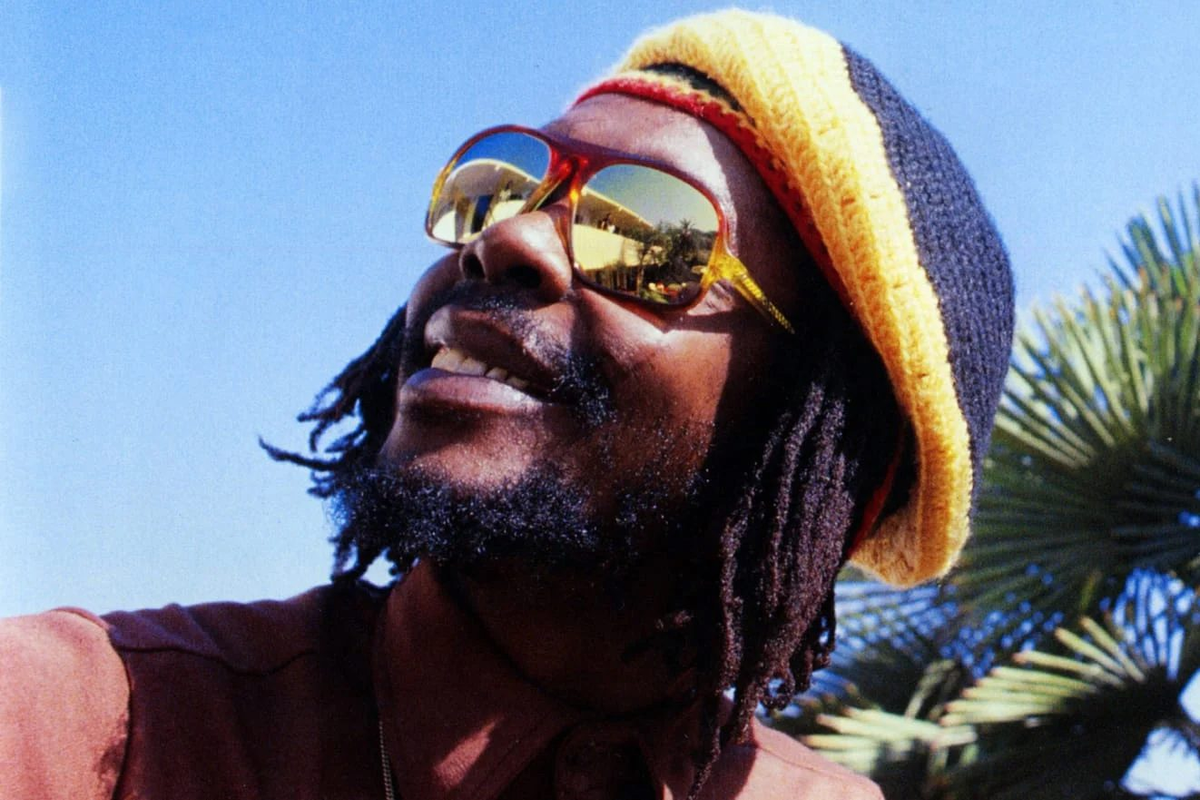
On June 17, 1988, the jury returned with a guilty verdict after deliberating for just five minutes, according to UPI’s report from the courtroom. Justice Carl Patterson handed down the mandatory sentence of death by hanging.
The legal road did not end there. The Court of Appeal dismissed Lobban’s appeal in 1990. In April 1995 he lost a further appeal in London, and that same year his death sentence was commuted. The rope never came.
The Questions That Linger
Officially, the murder of Peter Tosh was a robbery that went horribly wrong. Not everyone accepted that. In the aftermath, talk spread of a revenge killing, and of links to drug trafficking.
Given Tosh’s history of confronting politicians and police, some fans have long whispered about something darker still, a political hit. No evidence presented in court supports that theory, and it remains speculation.
The question of what truly drove Leppo still draws serious attention. At the annual Peter Tosh symposium at the University of the West Indies in 2023, Tosh’s longtime associate Wayne Jobson was scheduled to speak on Lobban’s key motivations.
Decades on, people still want to understand how a man so close to the household could turn on it so completely.
Burial and Legacy
Tosh was laid to rest on September 26, 1987. At the funeral his son Andrew Tosh stood up and sang “Jah Guide” and “Equal Rights,” carrying his father’s words forward in his father’s absence. The choice of “Equal Rights” said everything. Even at the graveside, the message was justice.
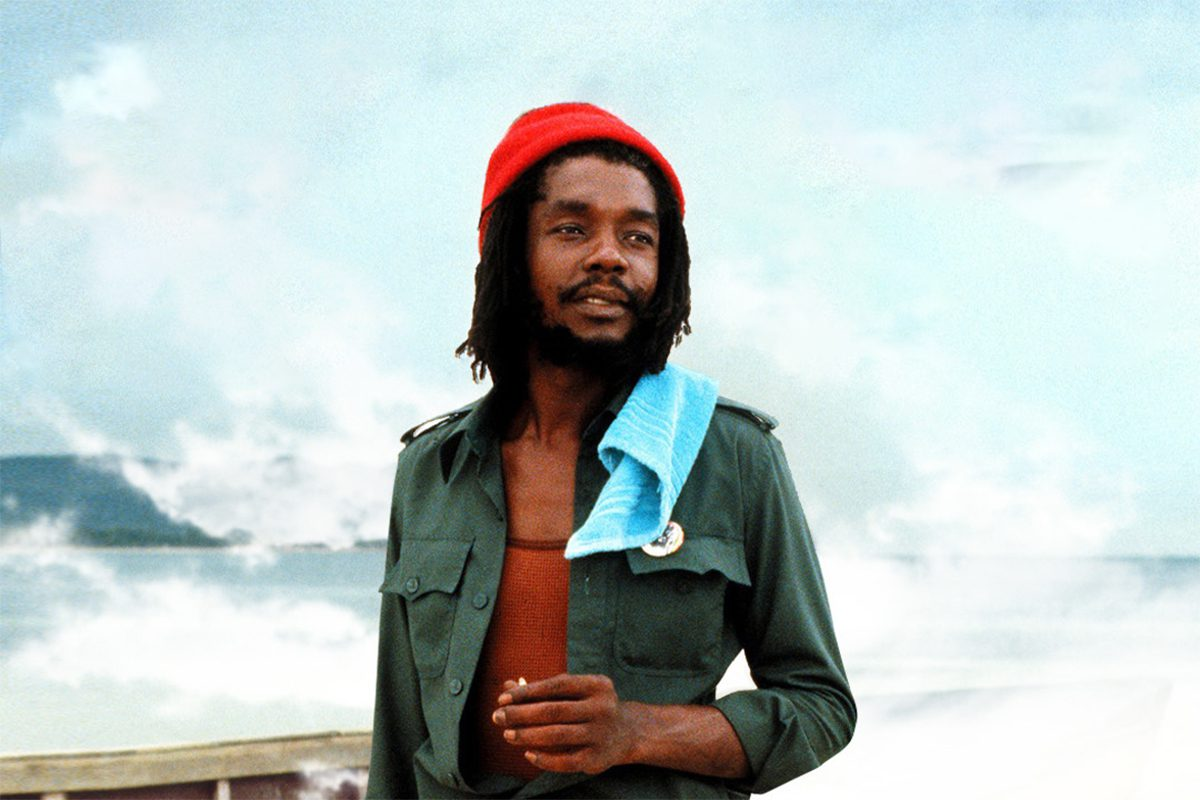
Jamaica took its time catching up with what Tosh meant. In 2012 he was awarded the Order of Merit, one of the nation’s highest honours.
Today the Peter Tosh Museum at the Pulse Complex on Trafalgar Road in New Kingston keeps his story in front of new generations.
Why the Night Still Matters
Nearly four decades on, September 11, 1987 still lands heavy. It took a man who spent his career facing down presidents, prime ministers and police, and ended his life in his own living room at the hands of someone he had tried to save.
The irony is brutal: the artist who sang against violence and oppression died in exactly the kind of gun violence his music warned about.
Yet the voice survives. “Equal Rights,” “Legalize It,” “Stepping Razor” and the rest still sound like a man who would not be bowed.
Every year, as the Ethiopian New Year comes around, fans remember not only how Peter Tosh died but how fiercely he lived, and how much he still had left to say.