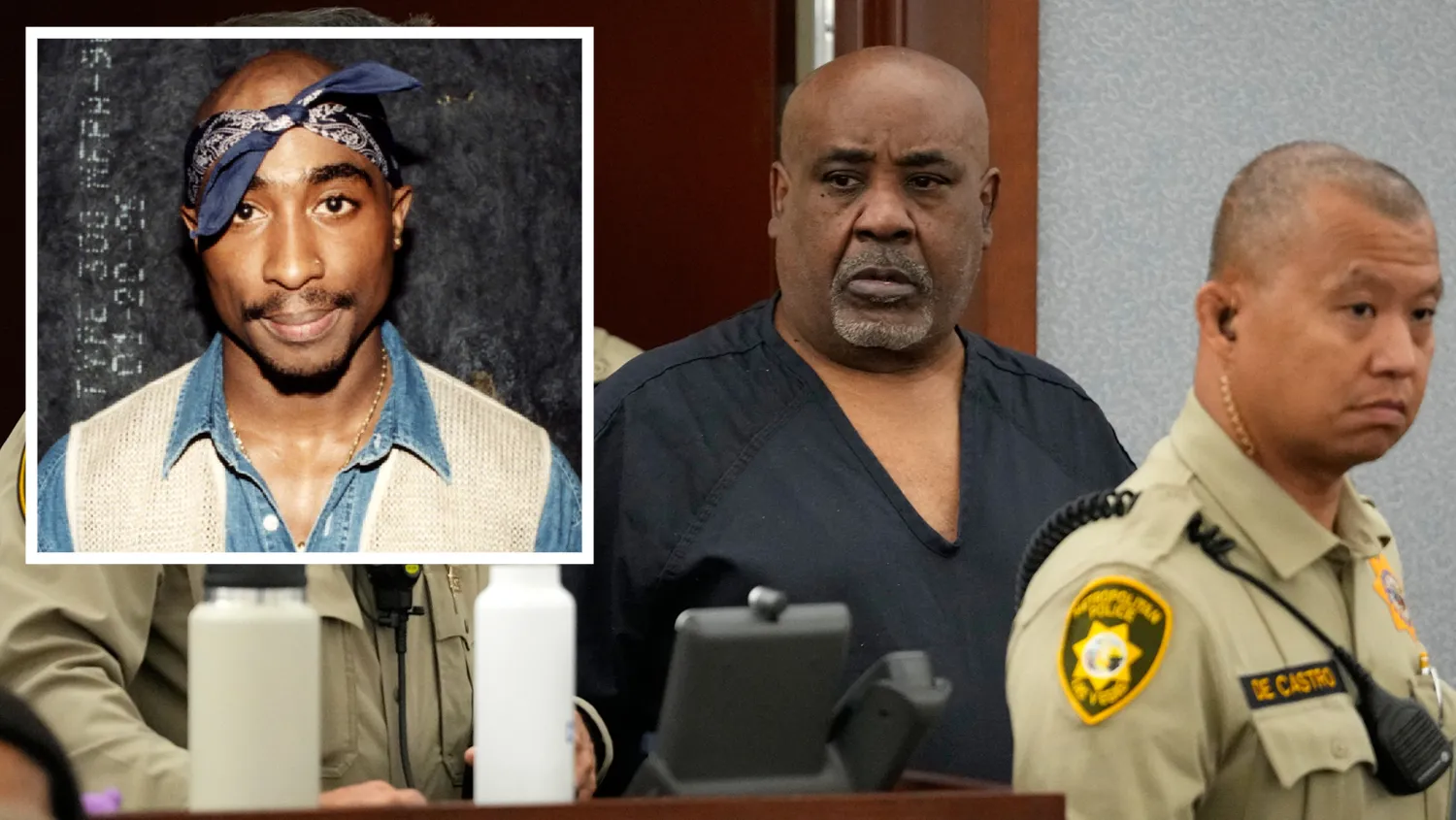


One of the senators backing Jamaica’s newest jury law used to sit at Vybz Kartel’s defence table.
Government Senator Christian Tavares-Finson, who represented the dancehall star at his 2014 murder trial, told the Senate last Friday that the legislation is being called “the Vybz Kartel amendment.”
The Senate passed the Jury (Amendment) (No 2) Bill, which would let a judge, under specified conditions, discharge a compromised jury and keep hearing a case alone.
Jamaican law had no such option, leaving judges to end proceedings rather than let a potentially tainted panel deliver a verdict.
That gap sat at the centre of Kartel’s case. Adidja Palmer and co-accused Shawn Campbell, Kahira Jones and Andre St John were tried for the murder of Clive “Lizard” Williams, whose body has never been found.
After 64 days of proceedings, the jury forewoman reported that a juror, later identified as Juror X, had offered fellow jurors $500,000 to return not-guilty verdicts. The judge kept the panel going anyway, and it convicted all four men by a 10 to 1 majority.
In March 2024, the Privy Council quashed those convictions. It found the judge’s directions didn’t properly address the bribery allegation, that Juror X should have been removed, and that the judge never considered if other jurors had been influenced.
The Court of Appeal later refused the prosecution’s bid for a retrial, and Juror X was convicted of attempting to pervert the course of justice.

Tavares-Finson made it personal. “I am of the considered view that had this option been open to Justice [Lennox] Campbell at the time, Mr Adidja Palmer would not have served and spent 13 years in prison,” he said. “That possibility is precisely why the amendment matters to me.”
The bill covers two scenarios. Before a trial, either side can apply for a judge-alone hearing if there’s a real and present danger of tampering that reasonable protection, including police protection, can’t fix.
Mid-trial, a judge can discharge the jury and carry on, or order a new trial, but must first explain the plan to both sides and hear their response.
Judges would also have to put their reasons in writing, and any judge-alone verdict would come with a written judgment.
The tampering measures were first bundled into an earlier bill that tripled jurors’ daily stipends, then pulled out for further study.
The Opposition isn’t fully sold. Senator Cleveland Tomlinson agreed tampering threatens justice but said removing a jury should stay exceptional, questioning the move to lower the standard of proof for some decisions from beyond reasonable doubt to a balance of probabilities.

Senator Donna Scott-Mottley supported written reasons but worried about the same judge continuing a trial after hearing tampering allegations. She also criticised the decision not to send the bill to a joint select committee.
Government Senator Charles Sinclair pushed back. Do not tamper with the jury if you want to have a jury trial,” he said, pointing to jurors who might find “a photograph of their child’s school” slipped under their door.
Before the final vote, the Senate approved four amendments to clause 2, including revisions to the standard of proof. How those changes play out in an actual courtroom is still to be seen.