

Turn off Ladbroke Grove on August Bank Holiday and you feel it before you hear it: a sub-bass pressure that rattles shop shutters and settles in your chest.
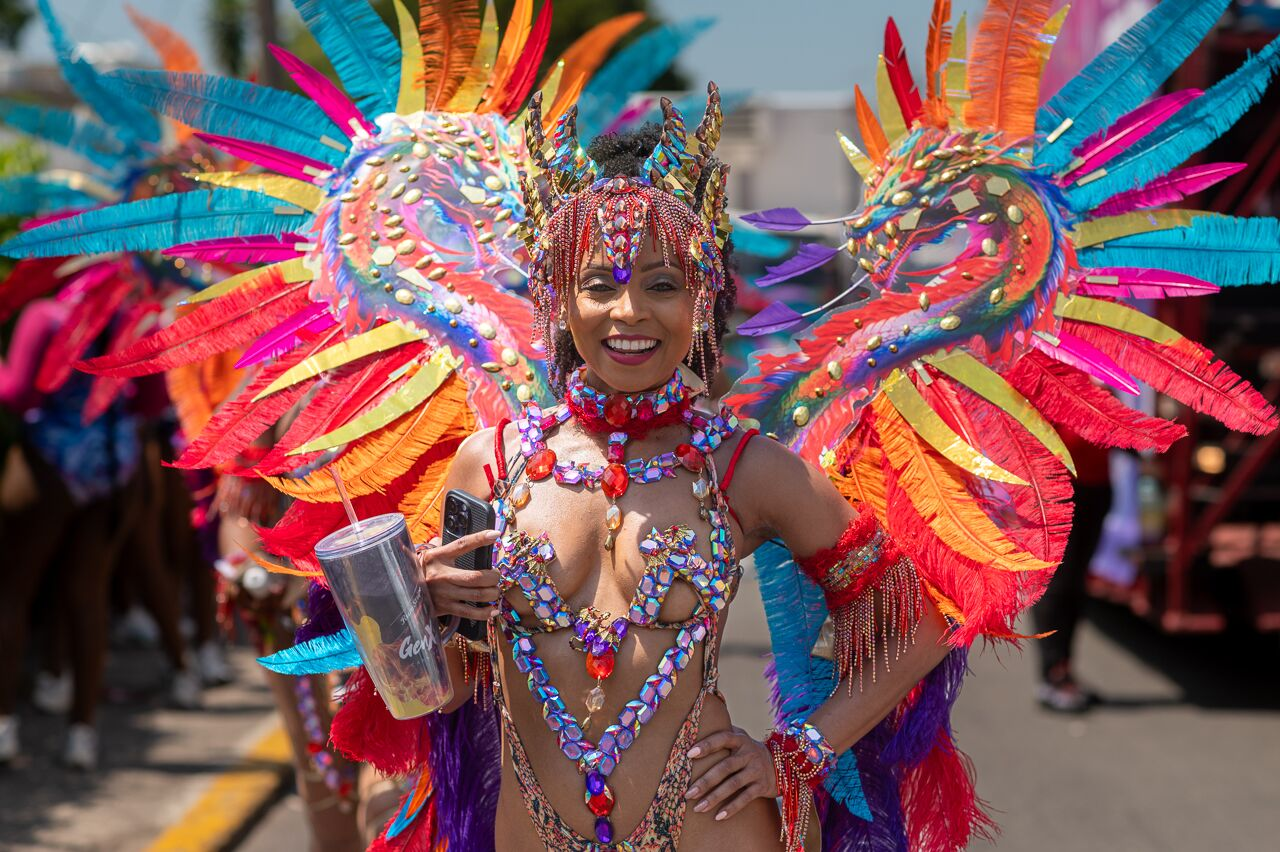
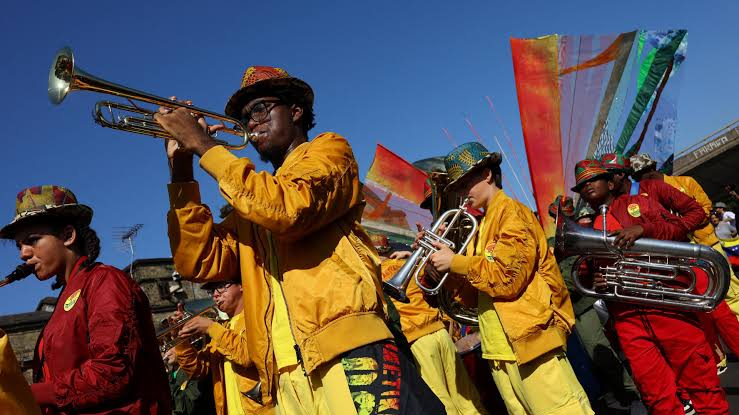
Notting Hill Carnival music is many things at once, from steel pan and soca on the road to calypso on the stages.
But for most of the people who flood west London every year, the real draw is the static sound systems, the stacks of speaker boxes parked on street corners and playing from midday until the cut-off.
This guide covers where those systems came from, who you need to find, how the weekend runs and where the party goes once the speakers fall silent.
The 2026 edition marked Carnival’s 60th anniversary, its Diamond Jubilee, and the bass has never been more central to it.
How Sound Systems Came to Carnival
The sound system was born in Jamaica in the 1950s. Selectors built their own rigs, sourced exclusive records and turned dances into competitions.
The Windrush generation carried that culture to Britain. Duke Vin is widely credited with bringing the first sound system to the UK in 1955.
Carnival itself grew out of a different struggle. The 1959 murder of Kelso Cochrane in Notting Hill spurred community activism that led to a children’s fair and eventually to Carnival.
A “Caribbean Carnival” cabaret was staged indoors on 30 January 1959, and the first outdoor Notting Hill event followed in August 1966.
In those early years steel pan ruled the streets, and Russell Henderson’s steel band famously walked the neighbourhood, drawing people of Caribbean heritage out of their homes.
The sound systems arrived in 1973. Carnival’s official history credits organiser Leslie Palmer MBE, who ran the event from 1973 to 1975 and opened it up to the static rigs.
Duke Vin is also often named as the man who brought the first system to Carnival that year, and he played every Carnival until his death in 2012.
Both stories belong to the same turning point. Palmer summed it up simply: “The sound systems were the voice of the youth.”
The effect was immediate. Helped by radio broadcasts, Carnival was drawing more than 150,000 people by 1976.
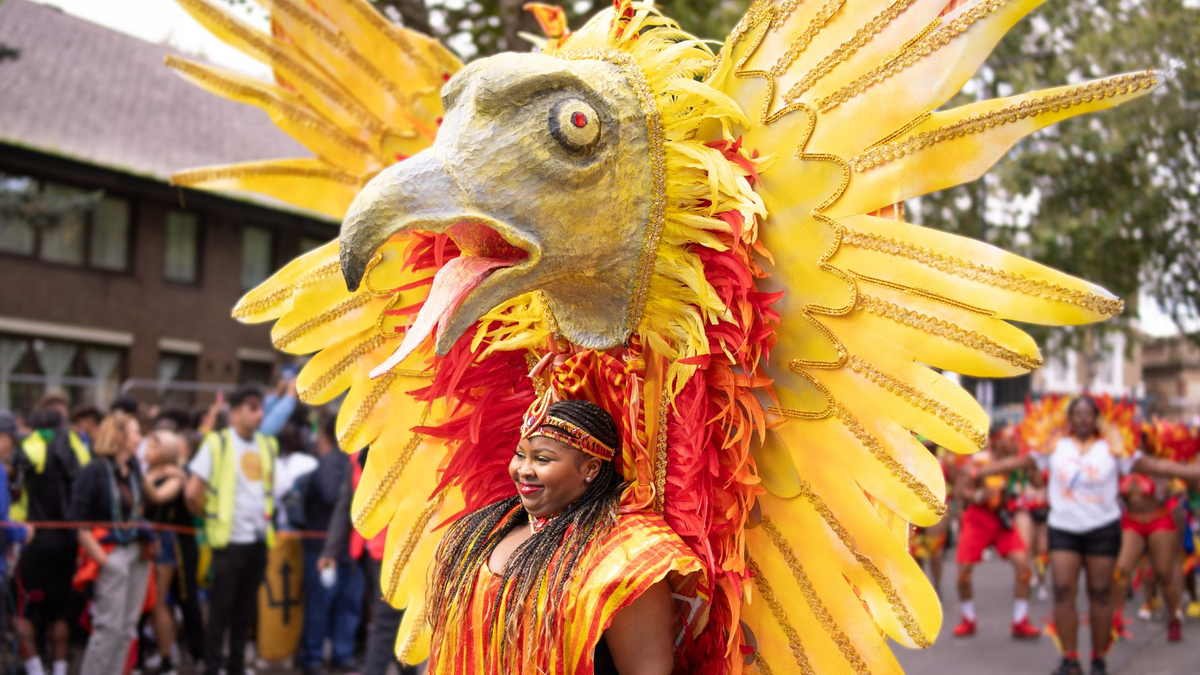
Today sound systems sit alongside masquerade, calypso, soca and steelpan as one of Carnival’s five disciplines.
Research commissioned by the Greater London Authority around the millennium found that 80 percent of attendees came specifically for them.
The Systems to Know
More than 30 static systems now play across the Carnival area, with recent official lists running to around 36.
Reggae, dub, dancehall and jungle remain the backbone, but you will also hear house, hip hop, rare groove and soca.
Systems that return each year keep the same spot, so once you know your corner you can find it again.
Founded in London in the late 1970s and named after Jamaica’s Channel One studio, this family-run roots and dub institution grew out of a sound handed down from father to sons.
Channel One remains one of the deepest pilgrimages on the map, all heavy basslines and conscious lyrics, and it played a Village Underground warm-up ahead of the 2026 weekend.
Joseph Smith’s Aba Shanti-I is roots and dub at its most spiritual and physical. Set up around East Row and Southern Row, it has been a Carnival resident for roughly three decades, and its sessions feel closer to a ceremony than a street party.
Founded in Lewisham in 1976, Saxon changed British MC culture. Its microphone men, among them Peter King and Papa Levi, pioneered the UK “fast chat” style, a rapid-fire delivery whose influence runs straight through jungle and into grime.
In 1994 Saxon became the first UK sound to win Jamaica’s World Clash, proof that London could beat the yard at its own game.
Founded by Mike Anthony in the early 1990s, Rampage is often described as Carnival’s largest static system.
Its home around Colville Terrace and Colville Square becomes a wall of bodies, fuelled by dancehall, hip hop, bashment and whatever the crowd demands next.
King Tubby’s Hi-Fi, run by Cecil Rennie, dates back to 1970 and carries a name that commands respect anywhere reggae is played.
Mastermind Roadshow has been part of Carnival since 1979 and holds Canal Way at the top of Ladbroke Grove.
Gladdy Wax, Gladwin Wright’s vinyl-based set, plays on Portobello Road off Chesterton Road, and it is a must for anyone who loves the crackle of a real record.
Different Strokes, a family-run South London system, has been at Carnival since 1993. Latin Rave Street Jam, regarded as Carnival’s first Latin rave, has been going since 1989.
The 2026 official list also featured 4Play, Disya Jeneration, Hi-Grade, Killerwatt and Love TKO, a reminder of how far the sound now stretches.
Linett Kamala, billed as Carnival’s first female DJ, ran the Trojan 7 x LIN KAM ART stage in 2026. Seduction City Sound is recognised as the first female-led sound system, a crucial presence in a culture long dominated by men.
How the Weekend Works
Carnival takes over the August Bank Holiday weekend. In 2026 it ran from Saturday 29 to Monday 31 August.
Saturday is the UK National Panorama, a ticketed steel band competition and the only part of the weekend you pay for.
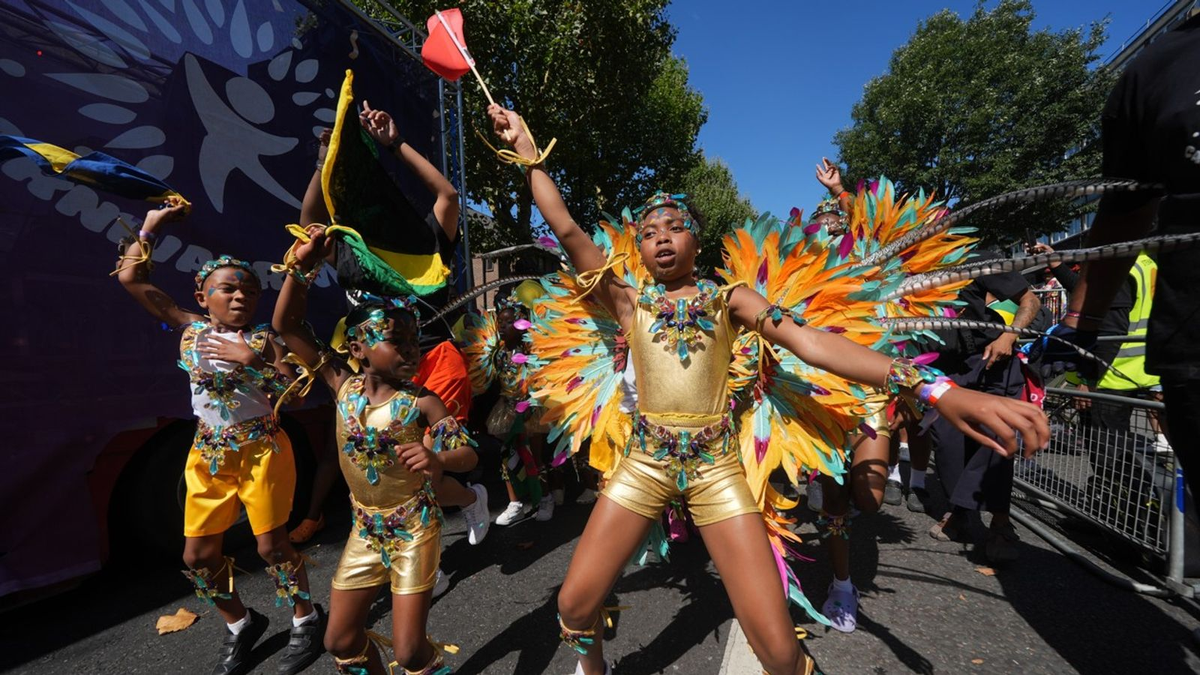
Sunday opens before dawn with J’Ouvert, the paint and powder ritual, followed by Children’s Day and Dutty Mas, while the sound systems and stages come alive.
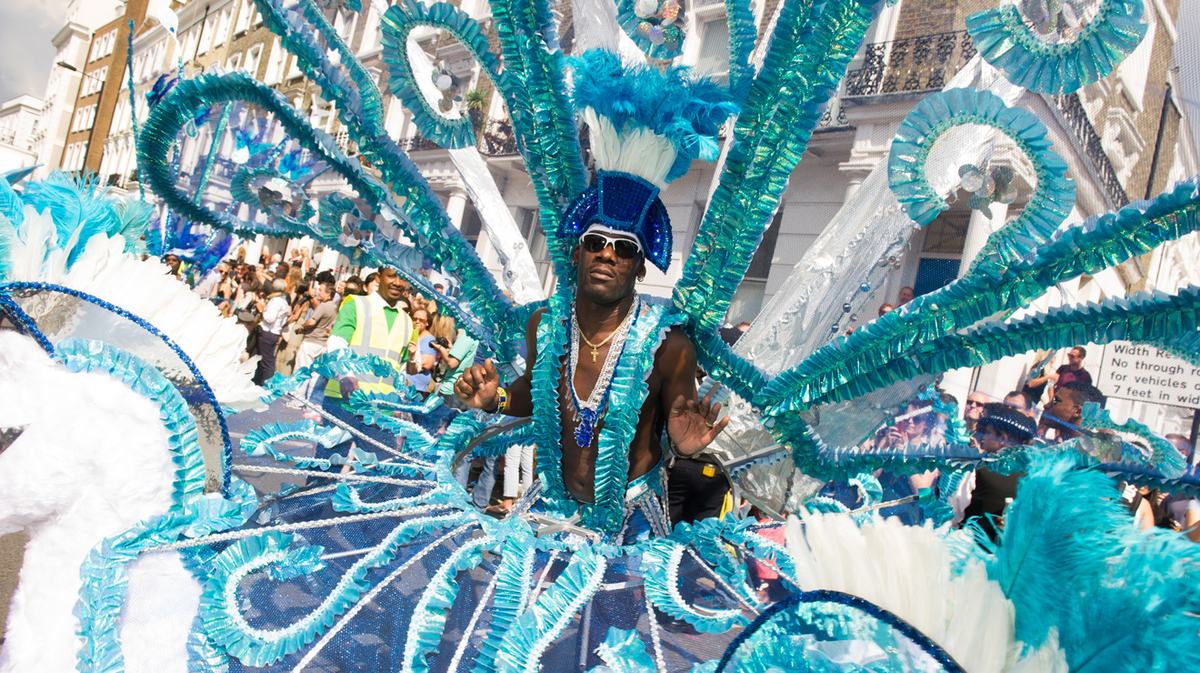
Monday brings the Adults Day parade, the full spread of costumed bands, and a second day of sound systems. On both days the systems and live stages run from 12pm to 7pm, and both days are free.
A few practical tips. Plan a route between two or three systems rather than trying to see everything. Arrive early for the biggest crowds, especially around Rampage. Take ear protection seriously, because the bass is the point but your hearing is worth keeping.
After 7pm
Every sound system on the streets cuts off at 7pm, so the afterparty scene has grown into its own fixture.
In 2026 Rampage took its crowd to UNDR, while My Cuppa Tee moved to Next Door Records with a Funktion One rig.
The Notting Hill Arts Club hosted a warm-up led by Rampage Sound, and World in Motion brought dancehall and afrobeats to Camden.
Carnival’s sound has also reached a global audience online. Spotify’s Carnival Sounds hub has partnered with the event for several years running, and its 2021 edition featured a podcast with Beenie Man. Spotify’s Safiya Lambie-Knight described Carnival as “a powerful expression of Caribbean identity.
Why the Bass Still Matters
Sixty years on, Notting Hill Carnival is still a statement of presence: a community born out of struggle claiming the streets of west London and filling them with its own sound. The sound systems carry that history in every speaker box.
They link the Jamaican yards of the 1950s to Duke Vin, from Saxon’s fast chat to jungle and grime, and from Leslie Palmer’s 1973 gamble to the crowds that now pack every corner.
Every system that rolls into the same spot each August is keeping a promise to its people. Find yours, stand close to the bass, and you will understand why this weekend matters more than any festival bill ever could.