
If you have ever searched for the untold stories meaning in Buju Banton’s canon, you have landed on one of reggae music’s most enduring social documents.
Released in 1995 as part of his landmark album ‘Til Shiloh, “Untold Stories” is a raw, acoustic-driven meditation on poverty, inequality, political neglect, and spiritual endurance.
Thirty years on, it remains a touchstone for anyone grappling with what it means to survive at the margins of society, not only in Jamaica but anywhere that the gap between the powerful and the powerless defines daily life.
Who Is Buju Banton? A Brief Background
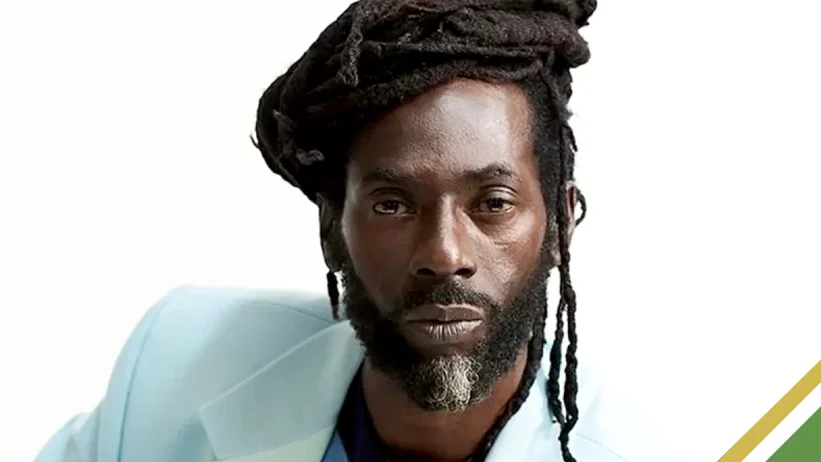
Mark Anthony Myrie, born 15 July 1973 in Kingston, Jamaica, is known professionally as Buju Banton. The name carries layered meaning.
“Buju” was his childhood nickname, a word for breadfruit often applied to chubby children; he adopted “Banton” in tribute to one of his earliest musical influences, Burro Banton.
Banton is a Jamaican word that refers to someone who is a respected storyteller. That identity as a teller of hard truths would become the defining thread of his most celebrated work.
He was one of 15 children; his mother was a street vendor, and he was directly descended from the colonial-era freedom fighters known as the Maroons.
Debuting with a series of popular “slack” singles which drew criticism for their graphic sexuality and homophobia, Banton later converted to Rastafarianism and revolutionized dancehall by employing the live instrumentation and social consciousness of classic roots reggae.
That conversion was not a marketing pivot. By the mid-nineties, two of Banton’s friends were killed after the completion of Voice of Jamaica; their murders prompted him to re-evaluate his own life, leading to his conversion to Rastafarianism, and bringing to an end his glorification of the gun.
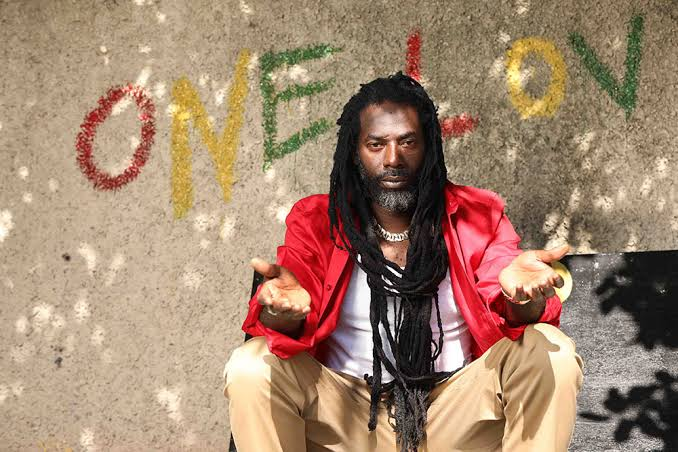
He was in the process of converting to Rastafarianism, began growing out his locs, and studied the words of Ethiopian Emperor Haile Selassie I, spiritually cleansing the hard edges that surrounded his previous music.
The Album: ‘Til Shiloh (1995)
Til Shiloh is the fourth album by Jamaican dancehall artist Buju Banton, released in 1995 by Loose Cannon Records, a short-lived subsidiary of Island Records.
The album was recorded across multiple Kingston studios and Giant Studios in New York City between 1994 and 1995, with producers including Donovan Germain, Lisa Cortes, Bobby “Digital” Dixon, Dave Kelly, Sylvester Gordon, and Steely and Clevie.
He called it ‘Til Shiloh, meaning “until kingdom come” or “forever.” More precisely, according to producer Donovan Germain, “‘Til Shiloh mean forever.”
The album marked a significant change in Banton’s artistry, moving toward roots reggae, and was widely acclaimed by critics, considered to be a classic album for reggae music.
Jo-Ann Greene of AllMusic said that the album “consolidated his move into social awareness and adopted a more mature, reflective tone that signaled Banton’s arrival as an artist able to make major creative statements.”
In 2019, the album was certified gold by the Recording Industry Association of America (RIAA).
“Untold Stories” appears as the fifth track on the album’s standard sequence, and was released as one of its singles in 1995.
The Song: Writing Credits and Production
Buju Banton originally released “Untold Stories,” written by Glenroy Browne, Donovan Germain, Buju Banton, and Handel Tucker, on the album ‘Til Shiloh in 1995.
The four-way songwriting credit reflects the collaborative nature of Kingston’s recording community at the time, drawing on producers and session contributors who helped shape the song’s distinctive sound.
With its plaintive lyrics and stark, acoustic guitar chords, “Untold Stories” is immediately reminiscent of another famous “sufferation” song, Bob Marley’s “Redemption Song.”
While Buju did not completely abandon the heavily electronic drum-and-bass style his fans were accustomed to, he widened his musical palette to include acoustic instruments, Nyabinghi-style drums, and a more melodic style of DJing.
“Untold Stories” perfectly exemplifies Buju’s new style; the spare instrumentation creates a beautiful backdrop for Buju’s rough, wailing tone as he details the day-to-day struggles of the “low budget people” of Kingston, Jamaica.
Untold Stories Meaning: A Verse-by-Verse Breakdown
The song opens not with complaint but with thanksgiving. Buju Banton expresses gratitude and faith in the beginning, thanking the Most High for the gift of life, and acknowledges that life is not always easy and that individuals must persevere through difficult circumstances.
The repetition of the line “I am living while I am living” underscores the importance of living in the present and making the most of one’s life.
This is a Rastafarian framework in practice: finding divine purpose within suffering rather than being crushed by it.
In the chorus, Banton expresses his gratitude to a higher power for his ability to survive and navigate through each day, acknowledging that only this divine being truly understands the challenges faced by individuals like him.
The first verse focuses on the corruption and lawlessness prevalent in society. Banton observes people resorting to theft and robbery, while those suffering are left without any love or support.
The verse also touches on the inadequate opportunities for education and employment, further compounding the difficulties faced by the marginalized.
The lyrics touch on economic struggles and social inequality, with Buju Banton highlighting the high cost of living and emphasizing that people are burdened with the rising prices of essential goods and services.
He feels that only God knows how they make it through each day with increasing prices and expenses to pay, while the leaders who are supposed to lead the people are busy playing games and not doing anything substantial.
One of the song’s most piercing observations concerns the choice to leave or stay. The singer comments on the fact that those who have the means to escape or migrate will do so, expressing concern for those who lack the resources to leave their current situation, suggesting that they will have to remain and face their challenges.
This mirrors a lived reality in 1990s Jamaica: emigration to the United Kingdom, the United States, and Canada was both aspiration and escape valve for those with enough means, leaving the most economically vulnerable behind.
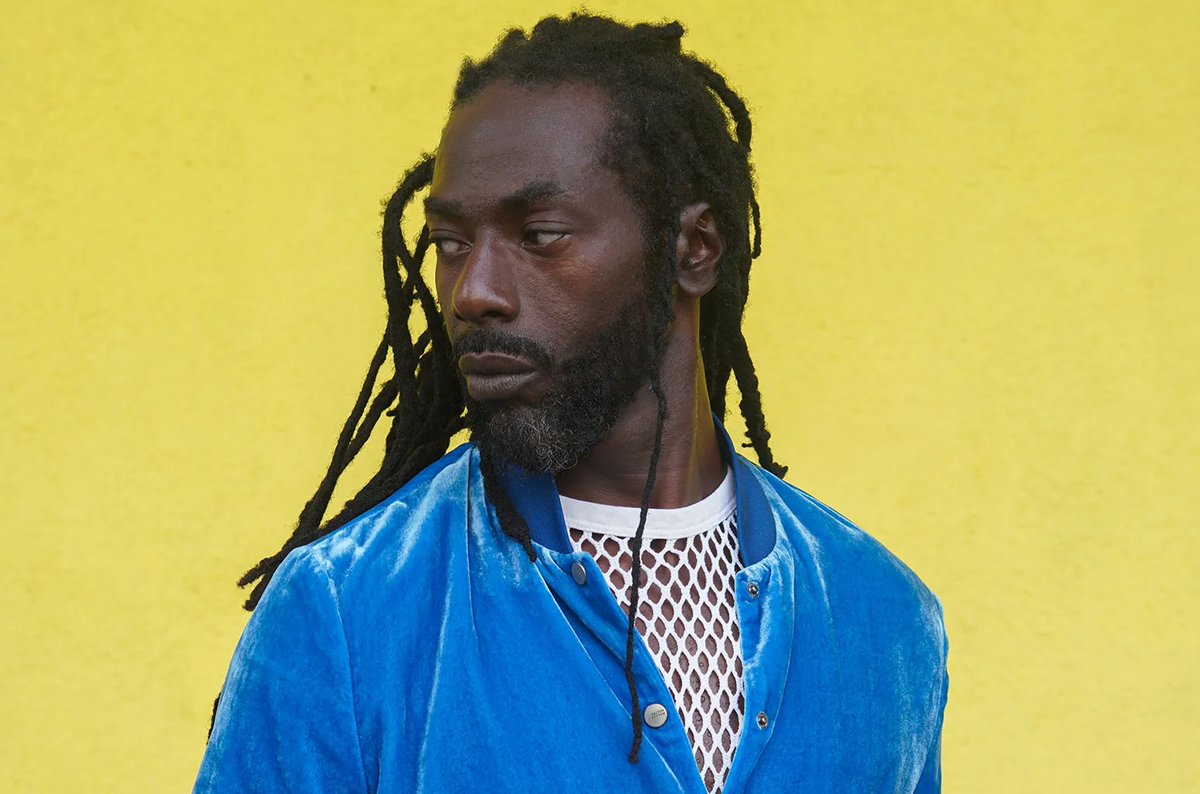
The song also addresses parents and children caught in this cycle. In one observer’s estimation, it is one of the most telling and timeless commentaries on Jamaican social issues, capturing hardships, high prices, politics, rivalry, youth neglect, migration, lack of opportunities, parenting, tenacity, survival, and faith.
The fourth verse reinforces the themes of inequality and limited opportunities for those who lack financial resources.
Banton questions what will become of those who are unable to escape their circumstances and urges them not to give up, concluding by repeating the phrase “the full has never been told,” emphasizing that the extent of the hardships experienced by marginalized communities has yet to be fully acknowledged or addressed.
This closing refrain is the fulcrum on which the entire song turns. “Untold Stories” does not claim to be comprehensive; it insists, rather, that no single song, speech, or policy document can ever fully account for the depth of what ordinary people endure. The title is its own thesis statement: what has been described here is only a fragment.
The Broader Meaning: Class, Universality, and the “Sufferation” Tradition
While Bob Marley’s “Redemption Song” draws its power from the dramatic sweep and international scope of its lyrics, Buju takes the opposite approach: “Untold Stories” talks about the here and now, detailing the trials and tribulations of the ghetto dwellers of Buju’s own Kingston, Jamaica.
But through detailing the specific struggles of his own people, Buju lays bare the class warfare that afflicts poor people all over the world.
This is what elevates “Untold Stories” beyond regional reportage into universal art. The song is a powerful social commentary on the struggles and injustices faced by everyday people, particularly those from lower socioeconomic backgrounds, highlighting the disparity between the wealthy and the less fortunate.
Listeners from Zimbabwe to Trinidad to South London have heard their own circumstances reflected in the song’s verses, a testament to the precision of Buju’s observation.
The album’s themes mainly explore Buju’s then-newfound faith in the Rastafari movement, with songs such as “Til I’m Laid to Rest” and “Untold Stories,” which could be seen as a transition from the rude-bwoy style, made of glorifications of gun violence, to a more roots-oriented fashion.
Legacy and Cultural Impact
The song’s reach beyond Jamaica was confirmed in 2005, when one of Ireland’s most celebrated vocalists recorded her own version.
Untold Stories” was later covered by Sinead O’Connor on her 2005 reggae album Throw Down Your Arms.
Throw Down Your Arms was produced by Sly and Robbie and recorded at Tuff Gong Studios and Anchor Studios in Kingston, Jamaica.
O’Connor’s decision to include the track on an album that otherwise drew exclusively from the 1970s roots reggae canon speaks to how fully “Untold Stories” had been absorbed into the foundational register of the genre.
The life-changing events that shaped Buju’s conversion are reflected throughout much of ‘Til Shiloh, which proves a much more introspective set than anything heard from Banton before.
The Grammy that eventually came to Buju confirmed what listeners already knew. His album Before the Dawn won a Grammy Award for Best Reggae Album at the 53rd Annual Grammy Awards.
The central theme of “Untold Stories” is resilience in the face of adversity, and that quality has ensured its relevance across every decade since its release.
In 2026, as economic inequality continues to widen in virtually every corner of the world, the song’s central question, what becomes of those who cannot leave, who do not have the resources to escape their circumstances, remains as urgent as the day Buju recorded it in Kingston.
“Untold Stories” serves as a poignant reminder of the widespread social and economic challenges faced by many individuals, calling for compassion, understanding, and action to address these issues.
That it does so over a bare acoustic guitar, in a voice roughened by the dancehall and softened by faith, is what makes it one of the greatest reggae songs ever recorded.
Key Facts at a Glance
- Artist: Buju Banton (born Mark Anthony Myrie, 15 July 1973, Kingston, Jamaica)
- Song: “Untold Stories”
- Album: ‘Til Shiloh (Loose Cannon Records / Island Records, released July 18, 1995)
- Songwriters: Glenroy Browne, Donovan Germain, Buju Banton, Handel Tucker
- Genre: Roots reggae / dancehall
- Album certification: Gold (RIAA, 2019)
- Notable cover: Sinead O’Connor, Throw Down Your Arms (October 4, 2005)
- Core themes: Poverty, inequality, political neglect, faith, resilience, migration