

Dancehall subgenres do not follow a neat evolutionary line. Each wave of the music redefined production, vocabulary, and cultural posture while remaining tethered to a single organizing principle: the riddim as a shared platform on which artists compete, innovate, and survive.
Dancehall is a genre of Jamaican popular music that originated in the late 1970s, and in the roughly five decades since, it has splintered into distinct subgenres including rub-a-dub, ragga (digital dancehall), hardcore or “slackness” dancehall, crossover dancehall pop, trap dancehall, and Afro-dancehall.
Understanding each era on its own terms is the fastest way to understand why the genre remains one of the most influential sounds the Caribbean has ever produced.
The Foundation: Sound Systems and the Pre-Genre Era (1950s to Late 1970s)
Before dancehall was named, it was a place. The musical style known as “dancehall” derives its name from the Jamaican dance hall, a cultural institution that has historically nurtured all major genres of that country’s recorded popular music.
Dancehall music takes its name from the dance halls that held dances in inner-city sections of metropolitan areas, like Kingston, during the 1950s and 1960s.
Music at dance halls came from local sound systems, which consisted of a generator, a turntable, and large, portable speakers overseen by a selector, who played early forms of reggae such as rocksteady and ska and R&B from the United States.
The seductive chant of the dancehall deejay, part talking, part singing, came to prominence in the late 1970s but dates from as early as 1969, when U-Roy experimented with talking over or under a “riddim” (rhythm).
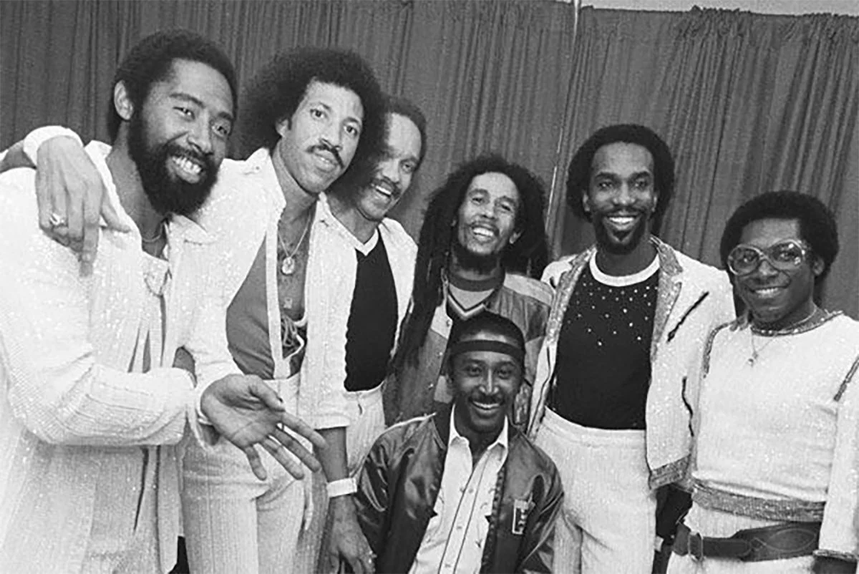
That practice, known as toasting, would become the primary vocal mode of every dancehall subgenre that followed.
Dancehall is a form of Jamaican popular music that emerged from that country’s fertile and diverse music industry in the late 1970s.
Dancehall music borrowed the sinuous rhythms of reggae music but replaced its spirited live musicians with prerecorded or digitally composed tracks built on pure, driving grooves.
The subgenre also embraced lyrical content that celebrated earthly pleasures over the spiritual and mystical language of traditional or roots reggae.
Subgenre 1: Old School Dancehall and Rub-a-Dub (Early 1980s)
While dancehall first emerged in the late 1970s as a distinct style, its real explosion occurred in the early 1980s, coinciding with the widespread use of digital music technology by Jamaican record producers.
This music genre was not officially named until the 1980s, when the two words Dance and Hall (referring to the common venue) were joined to form Dancehall, which was then promoted internationally for the first time.
The early 1980s subgenre is often called rub-a-dub, and its sonic signature was unmistakable. Early old school dancehall, often called “rub-a-dub,” centered on live bands like Roots Radics driving minimalist, heavy drum-and-bass grooves, over which deejays delivered rhythmic, improvisatory chants in Jamaican patois.
Lyrically, old school dancehall ranges from party-starting braggadocio, dancing instructions, and witty clash talk to topical commentary.
Sonically, it emphasizes a sparse mix with offbeat skank, big subs, and dub-inspired delay and reverb, purpose-built for massive sound systems and a responsive, dancing crowd.
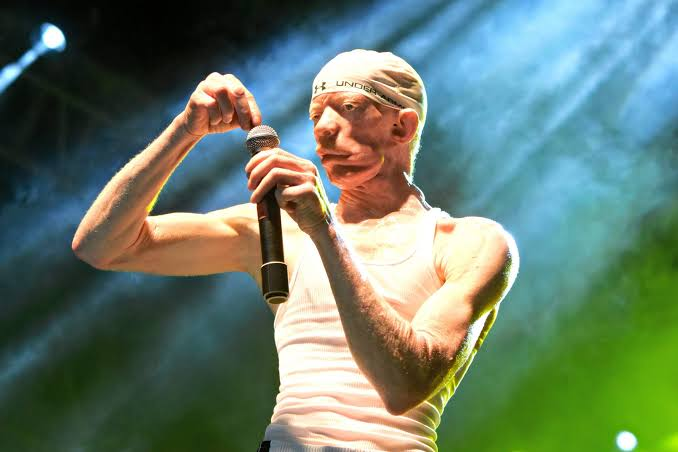
The rise of deejay Yellowman in the early 1980s marked the transition from mainstream reggae to dancehall music that took place in Jamaican nightclubs. In addition to the explicitly political lyrics of songs of the early 1980s such as “Operation Eradication” and “Soldier Take Over,” Yellowman incorporated into his repertoire salacious lyrics that became widely known as “slackness,” a Jamaicanism for licentiousness.
Other foundational figures include Barrington Levy, Eek-A-Mouse, and Josey Wales, who defined the genre’s raw early sound.
The riddim system took hold in this era as a defining structural feature. Unlike other genres, dancehall is built on riddims, instrumental tracks that multiple artists record songs over.
One riddim might produce dozens of hits by different performers. The riddim that anchored 1967’s “Real Rock” had appeared in more than 250 songs by 2006.
Yellowman, Barrington Levy, Eek-A-Mouse, Josey Wales, U-Roy, Sister Nancy
Subgenre 2: Ragga (Digital Dancehall) (Mid-1980s to 1990s)
No single moment in dancehall history carries more weight than a session between a young producer and a consumer-grade keyboard.
Wayne Smith’s “Under Mi Sleng Teng,” produced by King Jammy in 1985 on a Casio MT-40 synthesizer, is a seminal ragga song.
It evolved from earlier Jamaican styles like reggae and traditional dancehall, incorporating influences from hip-hop sampling and affordable synthesizer technology, such as the Casio MT-40 keyboard, which enabled low-cost production and shifted away from live bands toward programmed beats.
Jammy scored a huge hit in 1985 with the saucy “(Under Me) Sleng Teng,” which marked the beginning of the digital dancehall or ragga subgenre. The consequences were structural, not cosmetic.
In 1985, Wayne Smith’s “Under Mi Sleng Teng,” built on a preset from the Casio MT-40, signaled a structural break: computerized riddims replaced most live rhythm sections, drum machines and synth bass dominated, and production costs dropped.
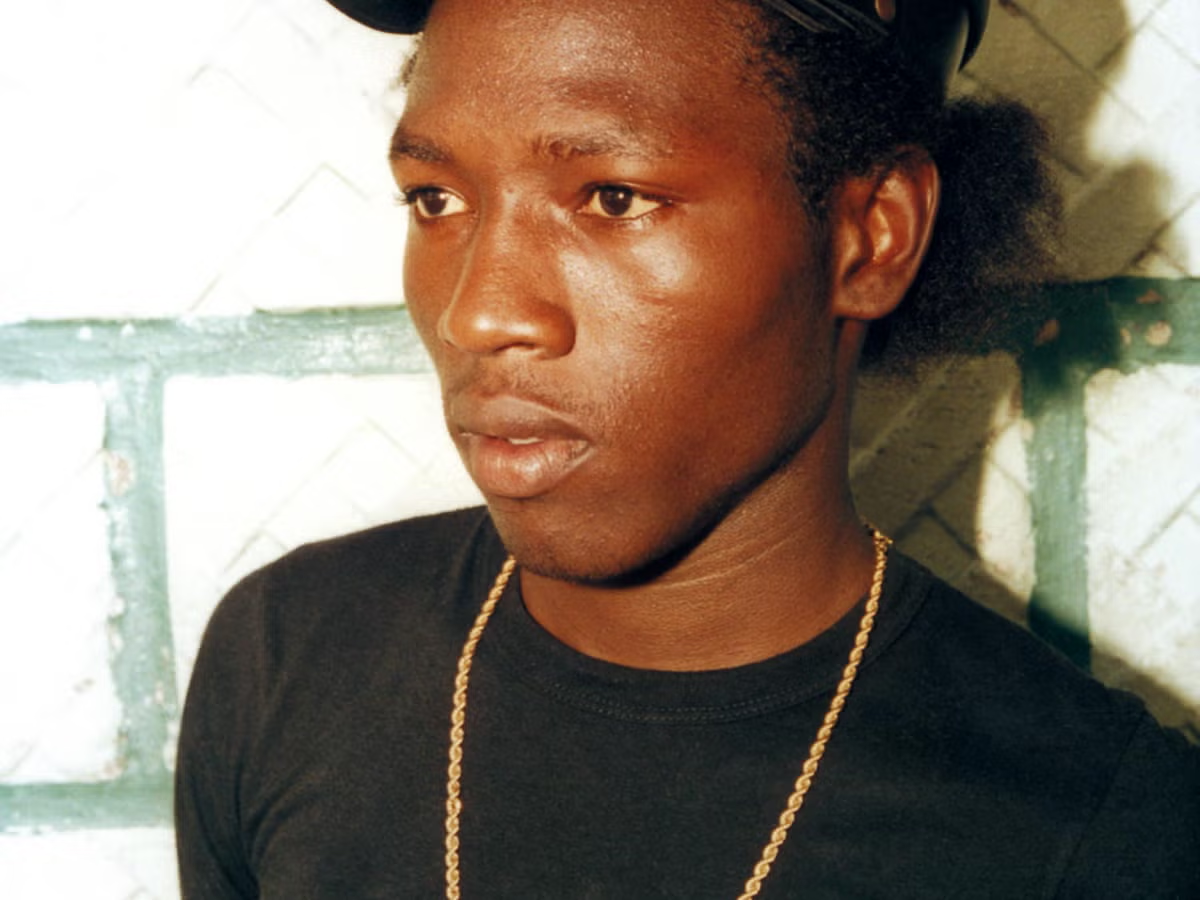
The result was hyper-prolific riddim-and-voicing culture: dozens of artists record different lyrics on the same instrumental, testing who can “murder” the track with the best take.
Raggamuffin music, or simply ragga, is a subgenre of dancehall and reggae music. The instrumentals primarily consist of electronic music with heavy use of sampling. It ditches live instruments altogether, building songs with only digital sounds.
Ragga was among the first Caribbean music genres to incorporate digitally produced instrumentation through MIDI technology and sampling.
Ragga (short for “raggamuffin”) emerged in the mid-1980s as a subgenre of dancehall, characterized by its heavy use of digital instrumentation and fast-paced, rhythmic deejaying.
It is often seen as a more raw and aggressive form of dancehall, with a focus on electronic beats and rapid-fire lyrics.
By the late 1980s, ragga had also crossed the Atlantic. Emerging in early 1990s London amid the rave and sound system scenes, ragga jungle blended ragga’s rapid-fire deejay vocals and dancehall rhythms with chopped breakbeats and heavy sub-bass at tempos exceeding 160 BPM.
Producers like Shy FX exemplified this hybrid through tracks such as “Original Nuttah” (1994), featuring UK Apache’s ragga-style chanting over frenetic jungle breaks, which propelled the subgenre into mainstream UK charts and laid foundational elements for drum and bass.
King Jammy, Wayne Smith, Shabba Ranks, Admiral Bailey, Buju Banton, Super Cat
Subgenre 3: Hardcore Dancehall and the Slackness Era (Late 1980s to Mid-1990s)
The shift to digital production did not simply change how dancehall sounded. It changed what dancehall said. Stylistically, tempos varied, textures got punchier, and lyrical bravado, both “slackness” and gun talk, intensified, mirroring Jamaica’s turbulent 1980s to 1990s social climate.
The 1990s saw the rise of many of dancehall’s biggest names, including Shabba Ranks and Bounty Killer. Lyrics celebrating slackness dominated their recordings, though some artists, like Buju Banton and Mavado, also extolled “rude boy” behavior like gunplay and marijuana use.
Countering these tracks was a wave of music by female dancehall artists like Sister Nancy, Lady Saw, and Lady G.
Buju Banton emerged as one of the most consequential figures of this period, bringing a complexity that the hardcore subgenre’s critics often ignored.
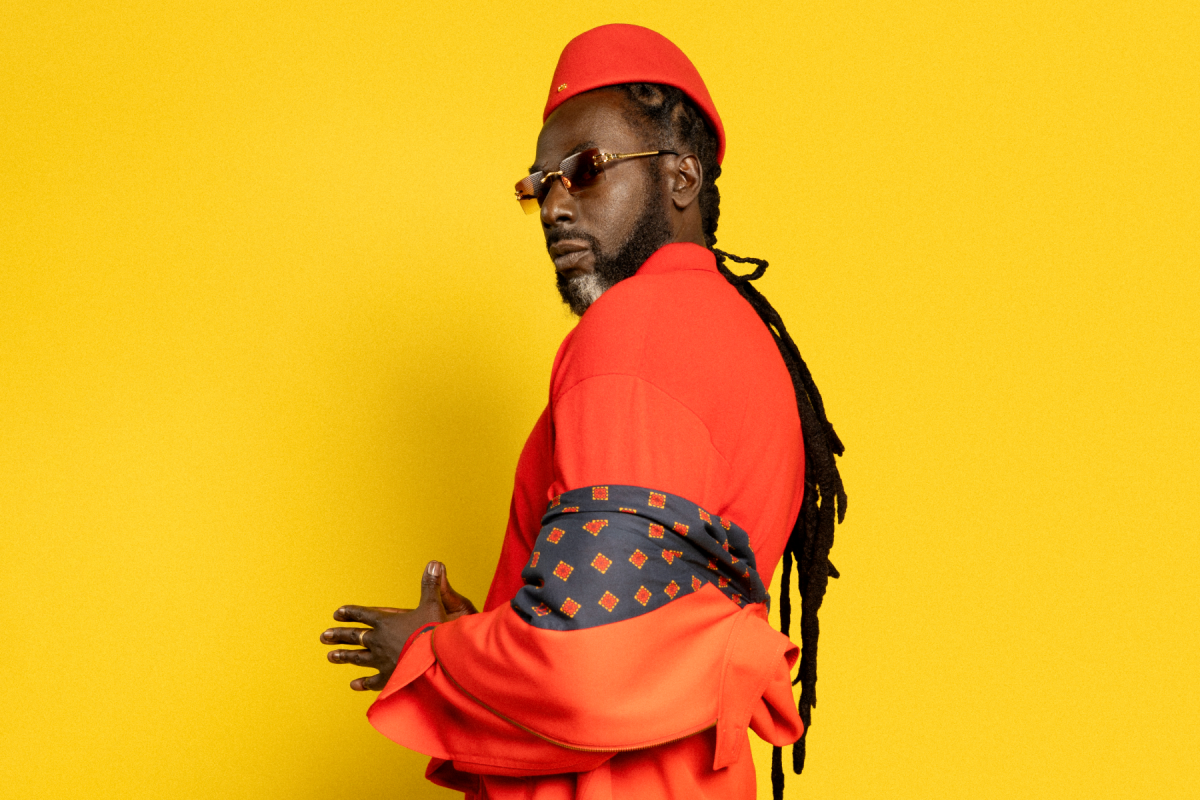
Buju Banton is widely considered one of the most influential and well-regarded musicians in dancehall and Jamaican history, with singles dating back to 1987, and his second album, Mr. Mention (1992), went on to become the greatest-selling album in Jamaican history.
The hardcore era also produced the rhythmic architecture for an entirely different genre: reggaeton. The dembow beat, the core percussion element in reggaeton music, takes its name from the 1990 dancehall song “Dem Bow” by Shabba Ranks.
The rhythm track propelling “Dem Bow” was first used by Jamaican production duo Steely and Clevie for Gregory Peck’s “Poco Man Jam” (1989), an instrumental they released on the B-side of Peck’s record as “Fish Market” (1990).
Steely and Clevie’s riddim brought that cherished rhythm into modern reggae form and to the world, inspiring the Spanish-language interpolations that would help shape reggaeton.
Shabba Ranks, Buju Banton, Bounty Killer, Beenie Man, Lady Saw, Capleton
Subgenre 4: Crossover Dancehall Pop (Late 1990s to Mid-2000s)
The 1990s and early 2000s brought dancehall to an international mass audience. The mechanism of that expansion was a shift in song architecture.
Unlike earlier dancehall, this new evolution was characterized by structures of music commonly heard in mainstream pop music, such as repeated choruses, melodic tunes, and hooks. Some lyrics were cleaner and featured less sexual content and profanity.
By the early 2000s, dancehall had gained mainstream popularity in Jamaica, as well as in the United States, Canada, Australasia and Western parts of Europe.
This was first seen with artists such as Sean Paul, whose single “Get Busy” (2003) became the first dancehall single to reach number one on the US Billboard Hot 100.
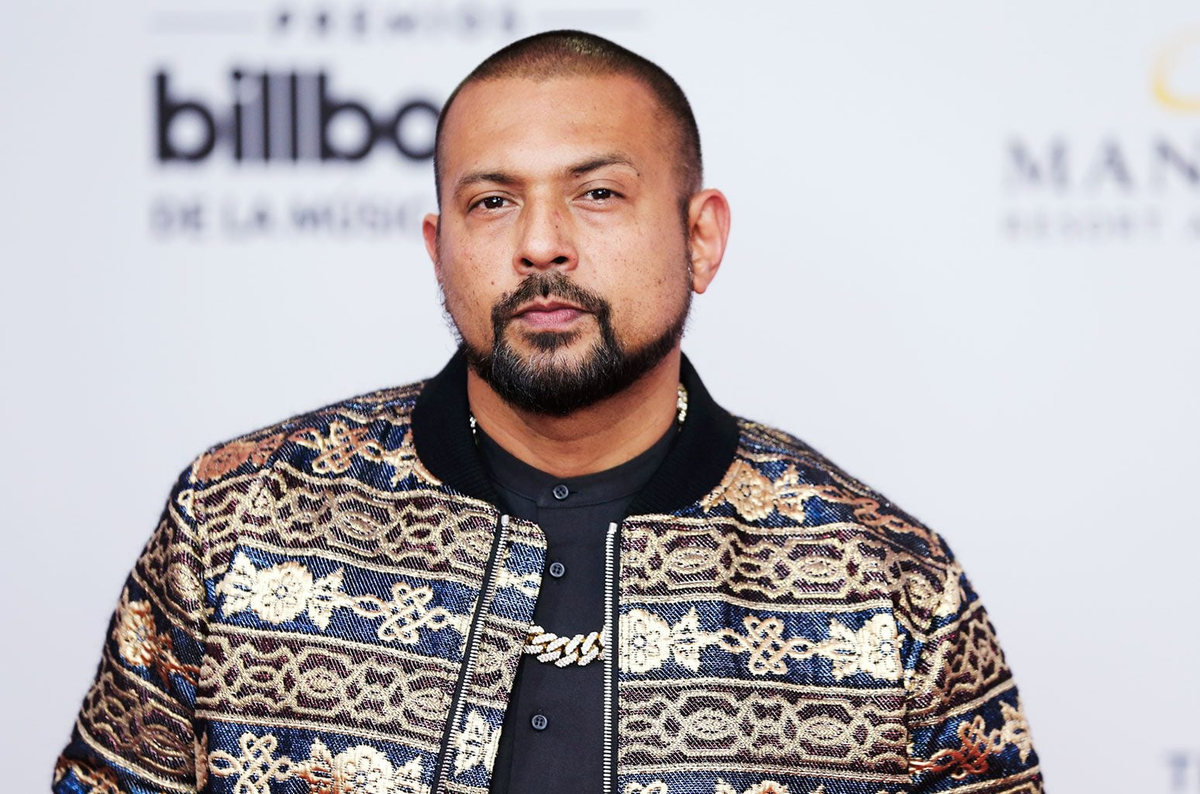
By the 1990s, dancehall evolved into a dominant global force: Shabba Ranks, Buju Banton, Bounty Killer, and Beenie Man brought hardcore dancehall to the international stage.
Sean Paul, Elephant Man, and Wayne Wonder turned dancehall into Billboard chart hits in the 2000s.
Crossover dancehall pop also proved that the genre could absorb and reframe American R&B and hip-hop without losing its Jamaican center.
Modern dancehall is a hybrid of dancehall rhythms and hip-hop and R&B beats from the United States. It was in this period that global pop stars began treating the dancehall sound not as an exotic reference but as a primary creative resource.
Dancehall’s popularity grew beyond the borders of Jamaica, bringing worldwide attention to dancehall artists like Sean Paul, Beenie Man, and Lady Saw, while pop stars such as Drake and Rihanna earned their own hits with the dancehall sound.
Sean Paul, Beenie Man, Elephant Man, Lady Saw, Wayne Wonder, Spice
Subgenre 5: Gangsta Dancehall and the Kartel Era (Mid-2000s to Early 2010s)
If crossover pop widened dancehall’s international audience, the mid-2000s saw a countervailing current driven by artists who turned the genre darker and more street-focused. Vybz Kartel became the central figure of this phase.
Two major factors ignited Kartel’s mainstream ascent in 2003: the release of his debut album, Up 2 Di Time, and a contentious clash with Ninjaman at Sting, Jamaica’s longest-running one-night-only reggae and dancehall showcase.
In the mid-2000s, Kartel formed Portmore Empire, also known as Gaza, a musical collective that launched the careers of major acts.
His Gaza vs. Gully rivalry with Mavado was one of the most defining cultural moments in Jamaican music history.
The feud ignited fierce loyalty among fans and even sparked political commentary, leading then-Prime Minister Bruce Golding to call for peace between the factions.
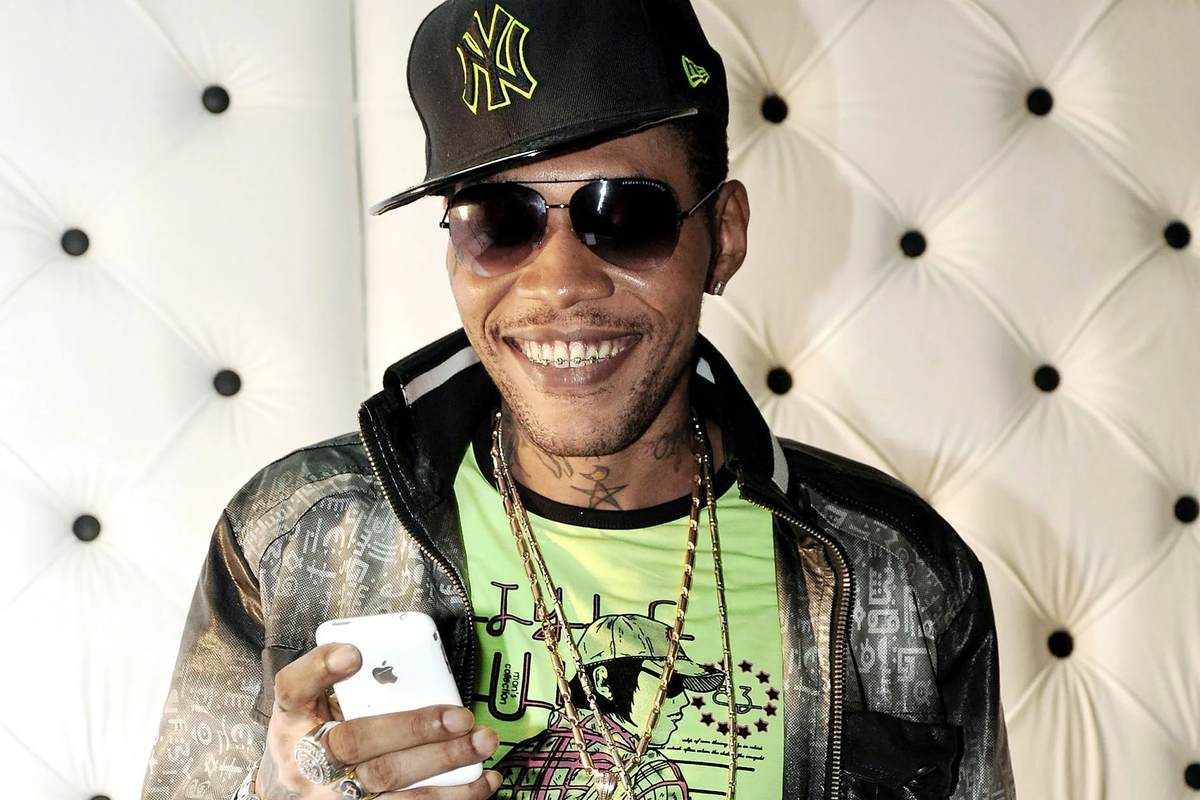
No figure loomed larger over dancehall in the 2000s and 2010s than Vybz Kartel. His duet with Spice, “Ramping Shop,” reached No. 76 on Billboard’s Hot R&B/Hip-Hop Songs chart in 2009, marking both artists’ chart debut.
His crossover continued with 2010’s “Straight Jeans & Fitted” and “Clarks,” the latter a collaboration with Popcaan, Kartel’s most successful protege.
Even after his 2011 arrest, Kartel continued to define the genre from prison. While incarcerated, Kartel clandestinely recorded, with the help of an iPad and his producer, Linton “TJ” White, a litany of projects, including 2016’s King of the Dancehall, which spawned “Fever,” arguably the biggest dancehall crossover hit of the latter 2010s.
“Fever” entered two Billboard airplay charts and has earned over 104 million official on-demand U.S. streams.
Vybz Kartel, Mavado, Popcaan, Spice, Aidonia, Konshens
Subgenre 6: Afro-Dancehall (Mid-2000s to Present)
While the Jamaican scene consolidated around Kartel’s aesthetic, a parallel development was transforming dancehall on the African continent.
African artists in Nigeria and Ghana were heavily influenced by dancehall, alongside hip-hop and local genres like Hiplife, Hi-Life, and Naija pop.
By the early 2000s, musicians began merging dancehall’s sound with African rhythms, creating a distinct subgenre.
Ghanaian artists like Samini (who called his sound “African Dancehall”), Stonebwoy, and Shatta Wale were instrumental in shaping the movement. Stonebwoy coined the term “Afro Dancehall” around 2007, emphasizing its cultural hybridity.
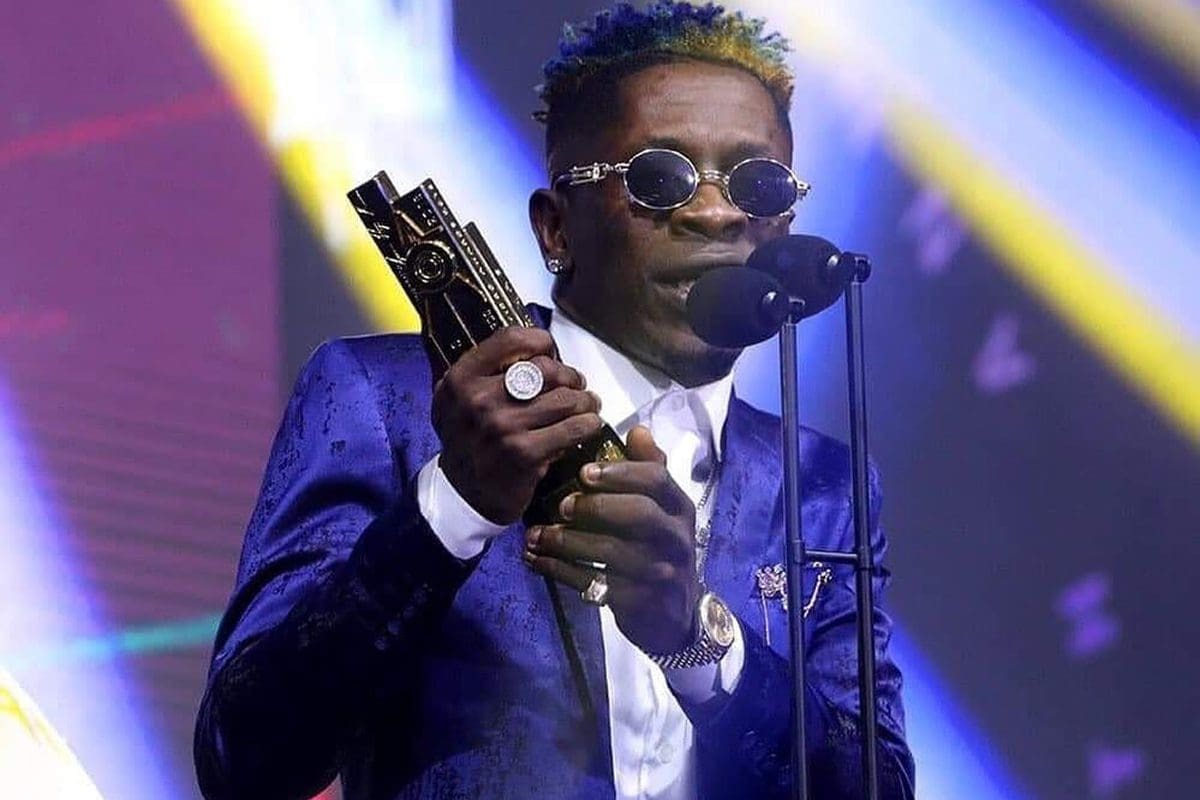
In Nigeria, Timaya, Patoranking, and Burna Boy infused dancehall with Afrocentric themes, Pidgin English, and indigenous melodies, broadening its appeal.
By the 2010s, Afro Dancehall had spread beyond West Africa, with artists across the continent adopting and reinventing the sound.
This cross-pollination was bidirectional. Kartel’s influence bleeds into Afrobeats, reggaeton, and EDM. The latest phase braids Afrobeats collaborations, diaspora drill currents from the UK and New York, and short-form video choreography into dancehall’s DNA.
Stonebwoy, Shatta Wale, Samini, Patoranking, Burna Boy, Timaya
Subgenre 7: Trap Dancehall (Mid-2010s to 2026)
The newest codified subgenre within the dancehall family arrived as streaming platforms reshaped how music was produced, distributed, and discovered.
Trap dancehall is a form of dancehall that emerged in the mid-2010s. Trap dancehall combines midtempo dancehall rhythms and tempos with major elements borrowed from trap, namely in percussion and drum rhythms.
The style blends the triplets typical of modern dancehall with snares, hi-hats, and kick drums resembling trap productions, and often features basslines and synth work inspired by trap. Cadences, rap flows, and even lyrics may be influenced to varying degrees by trap, though not universally.
As YouTube, Spotify, and Apple Music transformed listening habits, song structure adapted: tighter intros, front-loaded hooks, and sub-three-minute runtimes to optimize skip rates.
Sonically, producers adopted 808 basses, staccato hi-hats, and atmospheric pads, integrating autotune not merely as pitch correction but as vocal timbre design.
The result is trap-dancehall: spare, moody, and headphone-intimate, balanced by the enduring need to “shell” a dance when played loud.
The fusion’s staying power is structural, not superficial. Both genres privilege rhythm complexity over harmonic density.
Trap’s layered drum programming and dancehall’s riddim-centric approach both treat percussion as the primary carrier of meaning, making the integration of their beat vocabularies feel intuitive rather than forced.
Producers were critical to the merger. Rvssian rose to wider popularity shortly after producing Vybz Kartel’s “Life Sweet” in 2010. As his career matured, Rvssian moved fluidly between dancehall, reggaeton, and hip-hop production.
By stripping dancehall to its most essential parts, Rvssian gave vocalists room to operate, and later worked with Bad Bunny and J Balvin, creating simmering fusion that explored the space between Latin trap, reggaeton, and dancehall.
On the artist side, a new generation emerged. A derivative style that can be called “dancehall trap” became mainstream, heavily influenced by trap.
It incorporates hi-hat rolls (rapid-fire hits) and 808 bass, expanding from the classic form of one song per riddim to more trap-like arrangements.
Female artists also staked significant ground. Shenseea emerged as a prominent figure in dancehall pop during the late 2010s and 2020s, blending traditional dancehall rhythms with pop sensibilities through melodic hooks and international collaborations.
Signed to Interscope Records in 2019, she became the first female Jamaican dancehall artist to chart on the Billboard Hot 100 in 17 years with her feature on a major pop release.
By 2026, trap dancehall has moved past novelty status to become a dominant production mode within contemporary Jamaican music.
The “traphall” tag appears in artist biographies, streaming playlist titles, and music criticism as a recognized descriptor rather than a contested label.
Skillibeng, Skeng, Squash, Shenseea, Masicka, Alkaline, Chronic Law
The Riddim as Common Thread
Every subgenre discussed above, from rub-a-dub to trap dancehall, is united by one practice: the shared riddim.
Numerous artists use riddims, which are the rhythm tracks used in dancehall music, on different recordings.
A single riddim, like the one featured in “(Under Me) Sleng Teng” by Wayne Smith, fueled a dozen or more original songs.
The concept of riddims gave rise to riddim juggling, where DJs mix various songs on the same beat to energize the dancefloor.
That system has proved elastic enough to accommodate every technological and cultural shift the genre has survived.
From the original sound systems spinning American R&B, to the digital revolution triggered by a Casio keyboard, dancehall has always evolved by absorbing, transforming, and ultimately reshaping whatever it touches.
Dancehall’s Global Footprint in 2026
The genre’s influence on global music has been structural, not merely stylistic. Decades after its founding, the genre’s rhythmic logic underlies reggaeton, afroswing, and trap, making dancehall arguably the most globally influential genre to emerge from the Caribbean.
In the 2000s, dancehall experienced worldwide mainstream success, and by the 2010s, it began to heavily influence the work of established Western artists and producers, which has helped to further bring the genre into the Western music mainstream.
In the 2020s, dancehall pop has increasingly incorporated trap beats, hip-hop flows, and Afrobeats elements, broadening its rhythmic palette and facilitating cross-genre collaborations that appeal to international audiences.
The story of dancehall subgenres is, ultimately, the story of a music that refuses to be fixed in place. Every era began with producers and artists responding to the specific pressures of their moment: economic scarcity, political violence, technological change, or the seductive pull of foreign markets.
Each time, the result was a new variant that sounded unlike its predecessor while carrying the same structural DNA.
That capacity for reinvention is precisely why the conversation about dancehall subgenres will not end here.