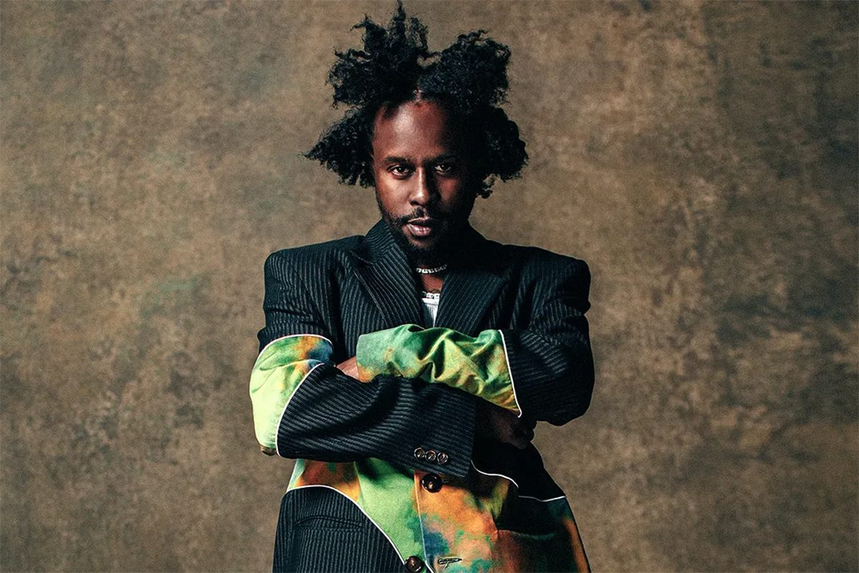

Trap dancehall is a fusion subgenre in which the rhythmic framework and atmospheric production tools of Atlanta trap and Chicago drill are grafted onto the vocal styles, lyrical themes, and cultural codes of Jamaican dancehall.
The result is a sound that is immediately recognizable and equally difficult to pin to a single geography: rolling 808 sub-bass lines, staccato hi-hat triplets, and minor-key synths sit beneath patois-inflected deejay flows that trace a direct line back to Kingston.
Understanding what trap dancehall is requires understanding the two powerful traditions it draws from, and the specific historical moment in which they collided.
The Two Parent Genres
Dancehall is a genre of Jamaican popular music that originated in the late 1970s. Initially, it was a more sparse version of reggae than the roots style, which had dominated much of that decade. Its accelerated digital turn came from the studio.
The “Sleng Teng” riddim, created on a Casio MT-40 keyboard by King Jammy and Wayne Smith, opened the door to the current digital era of production and what we now recognize as dancehall.
Dancehall’s roots lie within Jamaican sound system culture, where mobile discotheques provided access to music.
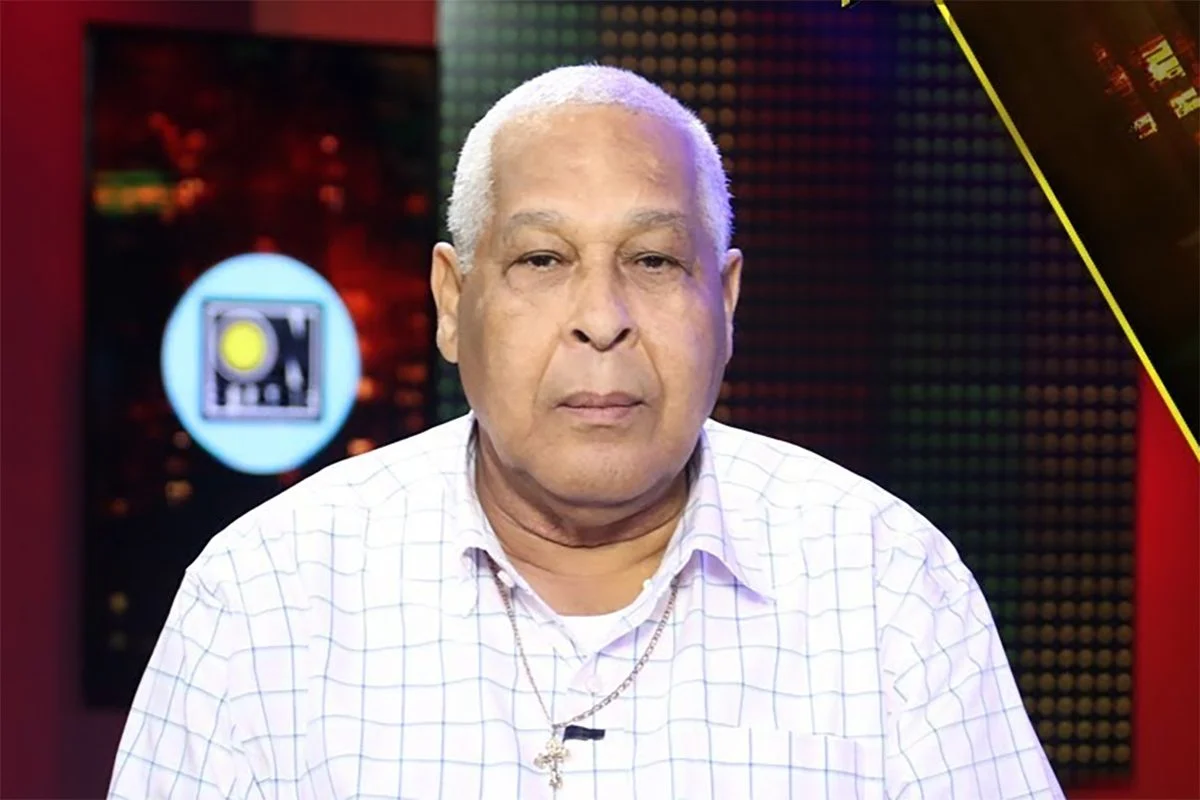
That sound-system infrastructure gave the genre a competitive, improvisational spirit that would later make it receptive to outside influences.
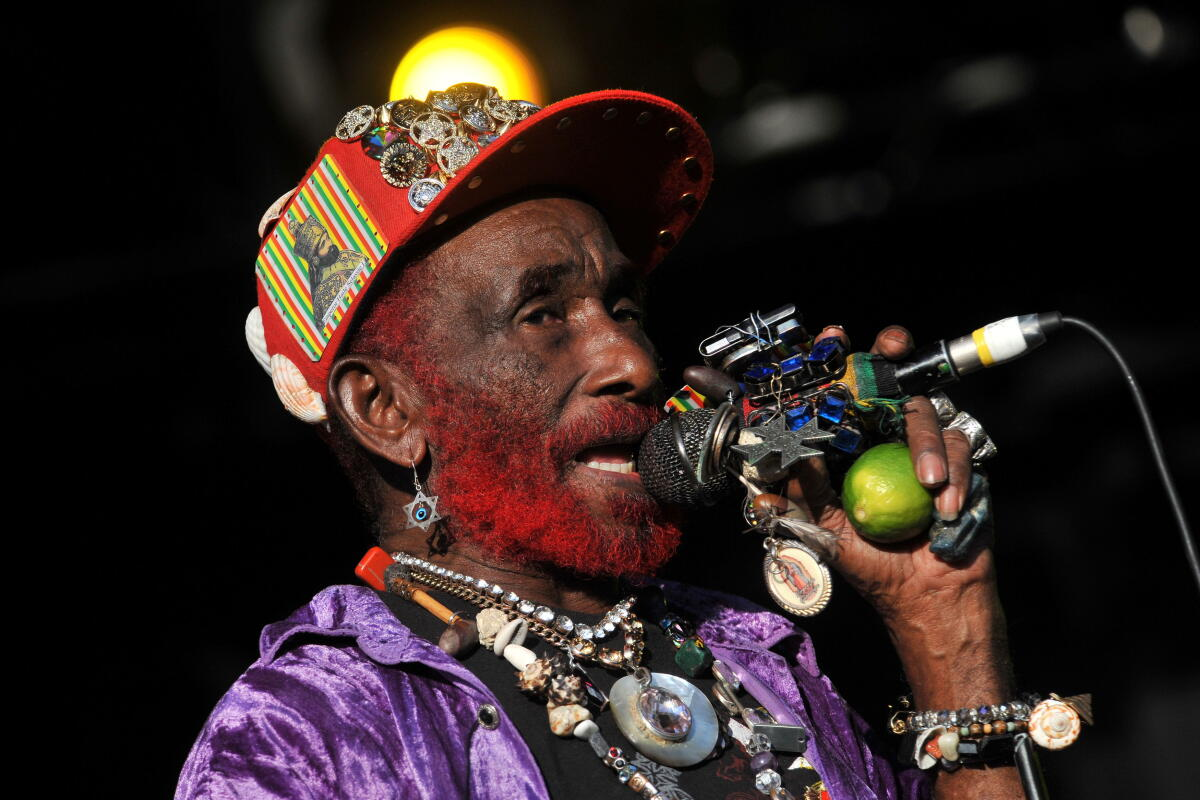
The genre was already no stranger to experimentation, with electronic and vocal noises in its direct lineage via the dub studio experimentation of Lee Scratch Perry.
The genre also proved remarkably elastic over time: over the years, listeners heard dancehall mixed with rock, samba batucada, and classical influences, among others.
Trap music originated in the 1990s in Atlanta as an offshoot of gangsta rap. It takes its name from local “trap houses” where illegal drugs are produced and dealt.
The holy trinity of trap includes Young Jeezy, Gucci Mane, and T.I., artists who built the commercial foundation of the sound through the mid-2000s.
Sonically, the genre is defined by a specific production palette. Trap music is characterized by heavy bass, complex drum patterns including rapid hi-hats and rhythmic snare hits, and booming sub-bass lines known as “808s,” named for the Roland TR-808 drum machine.
The instrumentals are propelled by 808 kick drums or heavy extended sub-bass lines, double-time, triple-time, and other faster time-division hi-hats, layered synthesizers, and “cinematic” strings.
By the early 2010s, trap had begun its global spread. In 2012, a new movement of electronic music producers and DJs emerged who began incorporating elements of trap music into their works, helping expand its popularity among electronic music fans. That expansion created the conditions for a meeting with dancehall.
How Trap and Dancehall Found Each Other
The two genres did not fuse in a vacuum. There is a complex back-and-forth relationship between Jamaican music and hip-hop, which meant that at some point, dancehall and trap would be able to meet and unite musically.
Crucially, both genres share thematic and social DNA: gritty depictions of inner-city life, a celebration of survival and self-determination, and lyrical braggadocio rooted in genuine street experience.
It did not take long after the establishment of Chicago’s drill scene for Jamaican artists to start seeing the possibility of this meeting ground. Culturally, there were many similarities as well.
Producers who operated in both worlds were the essential catalysts. Brooklyn-based producer Dre Skull was an early architect of this cross-Atlantic exchange.
After producing beats for Beenie Man, Popcaan, and Pusha T, Dre Skull was asked by Major Lazer to co-produce Snoop Dogg’s reggae-fied reincarnation as Snoop Lion.
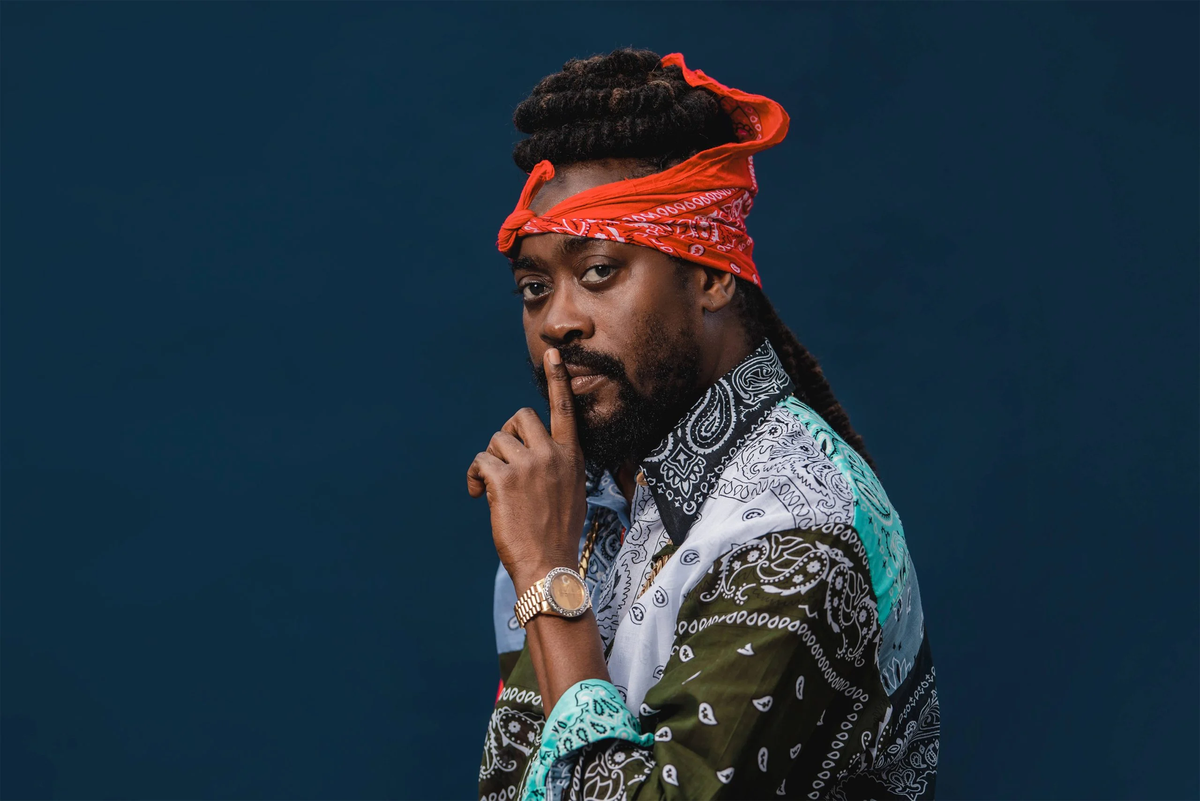
Dre Skull founded Mixpak Records in 2009, a Brooklyn-based label that became a crucial conduit between the Jamaican scene and international audiences. Mixpak released music by Vybz Kartel, Popcaan, and others, helping bring Jamaican artists to new listeners.
In 2011, following a trip to Jamaica, Mixpak released its first full-length album, Kingston Story by Vybz Kartel; the album reached number seven on the Billboard Reggae Albums chart and received coverage in outlets such as Pitchfork and The New York Times.
Rvssian, born Tarik Johnston, was another pivotal bridge figure on the Jamaican side. A Jamaican record producer, singer, and entrepreneur, Rvssian is best known for his head-busting bass and ominous yet uplifting melodies.
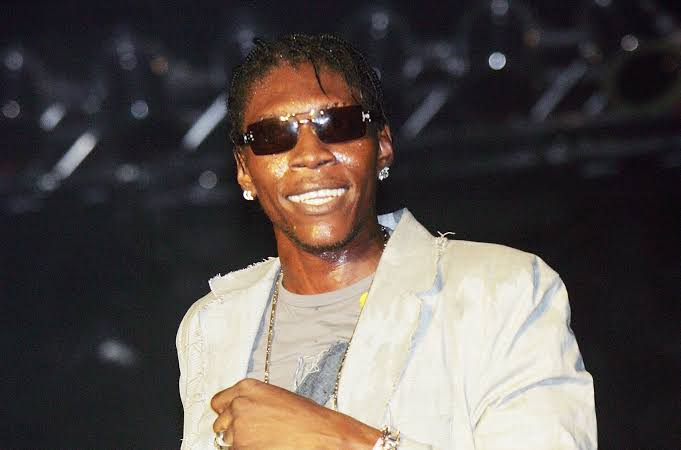
Early in his career, he became a go-to sound crafter for dancehall legend Vybz Kartel. He rose to wider popularity shortly after producing Vybz Kartel’s “Life Sweet” in 2010. As his career matured, Rvssian moved fluidly between dancehall, reggaeton, and hip-hop production.
By stripping dancehall to its most essential parts, Rvssian gave vocalists room to operate, and later worked with Bad Bunny and J Balvin, creating simmering fusion that explored the space between Latin trap, reggaeton, and dancehall.
The year 2016 served as something of a timestamp for the global visibility of dancehall-influenced trap production. Drake’s album Views contained multiple dancehall-adjacent tracks, and the most directly relevant was “Controlla.”
The song was released as the fourth single from Views on June 7, 2016, and reached number 27 in Canada, number 18 in the UK, and number 16 on the US Billboard Hot 100.
Produced by Boi-1da, Supa Dups, and Jamaican producer Di Genius (Stephen McGregor), the track brought dancehall production into a mainstream rap context at enormous scale.
Billboard listed Di Genius as one of the producers who brought dancehall back to the mainstream, noting his work on Drake’s hit song “Controlla” off the multi-platinum selling album Views.
The Drake moment was a bellwether, not an origin point. It signaled to the broader music industry that dancehall’s sonic vocabulary could hold commercial weight in a trap-dominated market.
What Trap Dancehall Actually Sounds Like
The popularity of trap music has introduced those hi-hat patterns into trap dancehall, a polarizing new subgenre. At the production level, the defining characteristics include:
808 sub-bass and dembow hybrids. Traditional dancehall rhythms are built around the dembow pattern, a syncopated kick and snare figure. In trap dancehall, the dembow is not erased but augmented. The rolling 808 bass that anchors Atlanta trap is layered beneath or in place of the digital basslines of classic dancehall, creating a heavier low-end profile.
Rapid and rolling hi-hats. The complex drum patterns including rapid hi-hats and rhythmic snare hits that define trap production appear in trap dancehall at tempos that tend to sit faster than standard trap (usually between 90 and 120 BPM), accommodating the faster vocal cadences common in dancehall deejaying.
Atmospheric and minor-key melodics. Where classic dancehall riddims often feature bright, organ-driven or horn-led melodic content, trap dancehall leans into darker synthesizer work: sustained minor chords, descending arpeggio lines, and cinematic string samples. Artists like Skeng drew inspiration from both old-school dancehall icons and contemporary trap-influenced beats, blending gritty lyrics with high-energy performances.
Patois deejay delivery over a trap grid. Vocally, trap dancehall artists retain the patois-inflected toasting tradition of dancehall but adapt their rhythmic placement to fit trap’s longer, slower bar structures. The result is often a harder-hitting, more menacing vocal performance than traditional dancehall, with lyrical themes that mirror both genres: street life, material success, and territorial loyalty.
The Artists Who Defined the Sound
Among the artists who began to experiment in the space where the two genres could fuse, most notable are the 6ixx’s Squash, Rygin King, and a small group of others.
Hailing from the community of Salt Spring in St. James, Squash began gaining real recognition from players in the dancehall and reggae music industry around 2016.
His music leaned into the darker, menacing production atmosphere that trap had popularized, applying it to the gritty street narratives of Montego Bay.
Emwah Ryan Warmington, born December 23, 1996, and known professionally as Skillibeng, lists his genres as dancehall and trap.
His vocal style, which merges rapid-fire patois flows with the monotone cadences common in drill, became one of the clearest examples of what trap dancehall sounds like at its most synthesized.
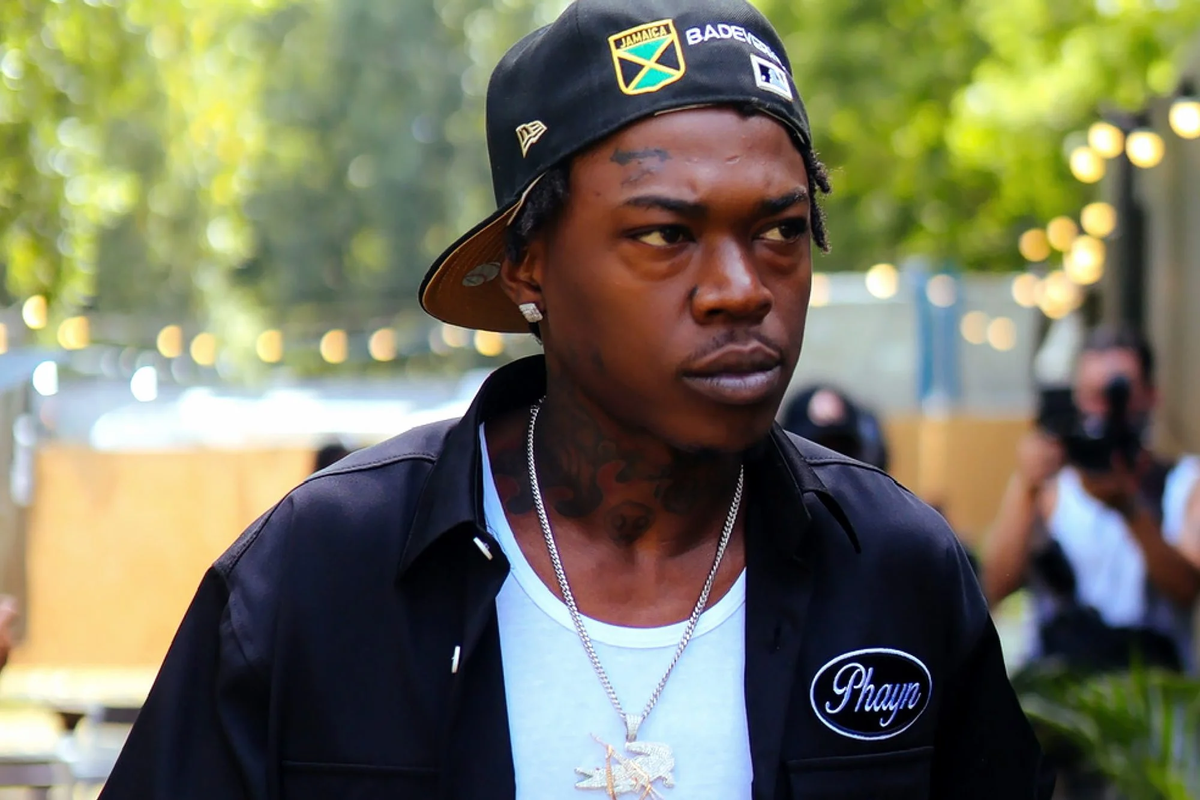
Kevon Douglas, born February 13, 2001, and known professionally as Skeng, is a Jamaican dancehall artist who gained international recognition after collaborating with Trinidadian artist Nicki Minaj on the single “Likkle Miss (Remix),” which entered the Billboard Chart.
Wikipedia describes his genre as both dancehall and “traphall,” a portmanteau that has gained traction in fan and critical circles.
Skeng’s musical style is part of a new wave of dancehall, often referred to as “traphall,” where traditional rhythms intersect with darker, trap-inspired production.
Following his initial success, Skeng continued with a string of singles that showcased his signature aggressive delivery and street-centered themes, with his style often described as a fusion of hardcore dancehall with elements of modern hip-hop.
Andrae Hugh Sutherland, born July 19, 1988, and known professionally as Popcaan, is a Jamaican dancehall singer.
In 2013, Popcaan signed with Mixpak Records and released his debut studio album, Where We Come From.
In 2016, Popcaan signed with Canadian rapper Drake’s record label OVO Sound and Warner Records, a move that placed one of dancehall’s most prominent voices directly inside the infrastructure of the rap industry that trap had built.
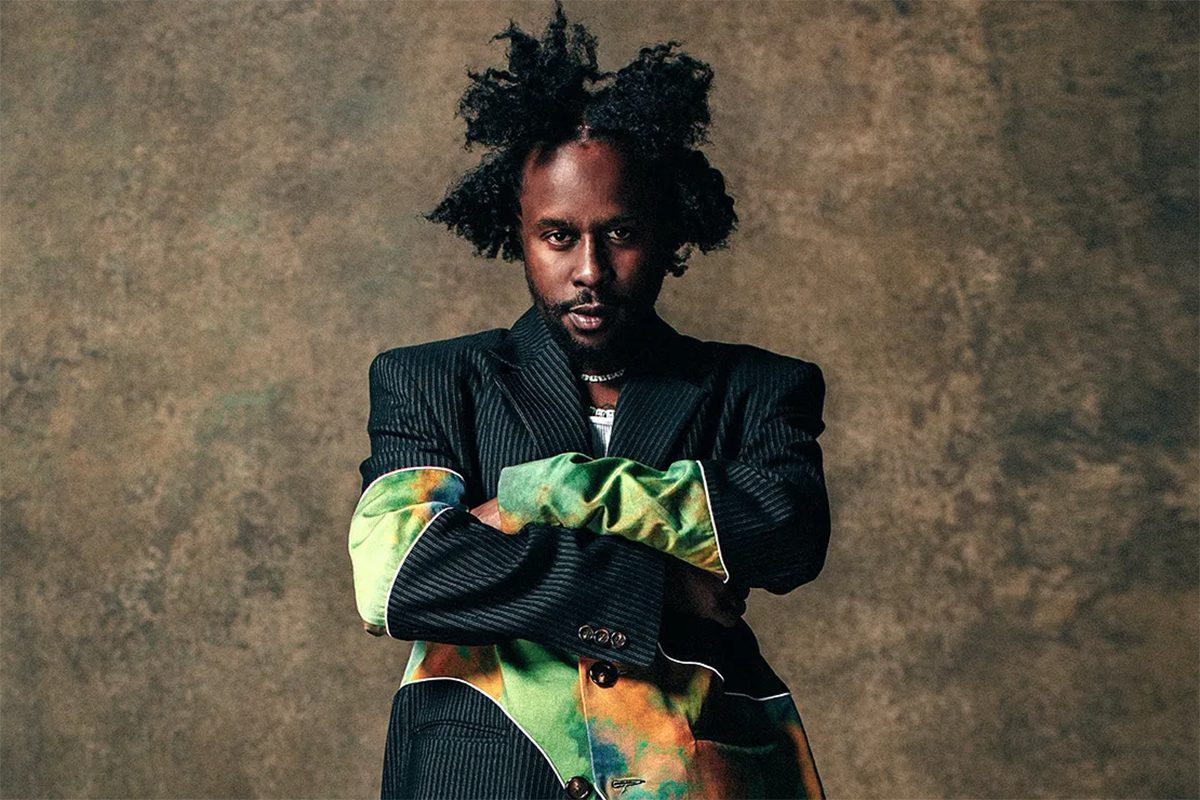
He has collaborated with a number of international artists, most notably Drake, Jamie xx, Pusha T, Giggs, and Gorillaz.
Shenseea emerged as a prominent figure in dancehall pop during the late 2010s and 2020s, blending traditional dancehall rhythms with pop sensibilities through melodic hooks and international collaborations.
Signed to Interscope Records in 2019, she became the first female Jamaican dancehall artist to chart on the Billboard Hot 100 in 17 years with her feature on a major pop release. Her catalog includes tracks that sit squarely within trap dancehall’s sonic range.
Why the Fusion Worked
The potential that existed in the space between these two genres was so abundant that it began to take on a life of its own. Several structural factors explain why the fusion proved durable rather than a passing trend.
First, both genres privilege rhythm complexity over harmonic density. Trap’s layered drum programming and dancehall’s riddim-centric approach both treat percussion as the primary carrier of meaning, making the integration of their beat vocabularies feel intuitive rather than forced.
Second, both scenes emerged from economically marginal communities with similar social pressures. Tropical trap, one of trap’s recognized offshoots, blends in calypso beats and the sounds of reggae, dancehall, and tropical house, reflecting how producers and critics have long recognized the natural kinship between these Atlantic and Caribbean traditions.
Third, the global streaming era removed geographic gatekeeping. A riddim built in Kingston can reach a listener in London or Lagos within hours of release, and YouTube algorithmic recommendation surfaces trap dancehall tracks to listeners who may have arrived via either parent genre.
In the 2020s, dancehall pop has increasingly incorporated trap beats, hip-hop flows, and Afrobeats elements, broadening its rhythmic palette and facilitating cross-genre collaborations that appeal to international audiences. This is not discontinuity.
Decades later, the genre’s rhythmic logic underlies reggaeton, afroswing, and trap, making dancehall arguably the most globally influential genre to emerge from the Caribbean.
Trap Dancehall in 2026: Where the Sound Stands
By 2026, trap dancehall has moved past novelty status to become a dominant production mode within contemporary Jamaican music.
The “traphall” tag appears in artist biographies, streaming playlist titles, and music criticism as a recognized descriptor rather than a contested label.
Notable trap dancehall artists include Skillibeng, Skeng, and Squash, alongside a wider ecosystem of producers, selectors, and deejays whose work continues to push the subgenre’s boundaries.
The subgenre’s commercial reach is confirmed by its presence in major crossover moments. Drake’s repeated engagement with Jamaican producers and artists, Nicki Minaj’s collaboration with Skeng, and Popcaan’s decade of dual-scene activity all demonstrate that trap dancehall is not a regional curiosity but a globally competitive sound with proven chart potential.
For listeners and producers approaching the subgenre for the first time, the essential entry points span a range: Squash’s street-coded deejay work, Skillibeng’s drill-adjacent vocal patterns, Skeng’s aggressive traphall aesthetic, and Shenseea’s melodic crossover territory.
Together, these artists map the full spectrum of what trap dancehall can be, from raw inner-city reportage to polished pop-facing fusion.
The combinations and collaborations continue today with an almost cyclical influence between dancehall and other genres.
With dancehall accepting influences and going on to birth or shape so many other styles and genres, from hip-hop and garage to reggaeton and moombahton, the question of how to define it remains open, and trap dancehall is simply the latest, most globally resonant answer.