
Few rivalries in the history of popular music have cut as deeply into a nation’s social fabric as the gully vs gaza conflict that consumed Jamaican dancehall from roughly 2006 to 2010.
What began as a lyrical break between two former allies escalated into a cultural schism that drew schoolyard brawls, government summits, regional bans, and one of the most mythologized stage confrontations the genre has ever produced.
Nearly two decades on, the two men at its centre have not only reconciled but are performing together on international stages, giving this story the rare shape of a full circle.
This article traces the feud from its roots in Kingston’s Alliance collective, through the Sting 2008 clash that defined it, to the 2026 reunion that finally closed the chapter.
Who Are the Two Artists?
Vybz Kartel, whose legal name is Adidja Azim Palmer, built his reputation as one of dancehall’s most formidable lyricists.
Emerging from Portmore, St Catherine, with razor-sharp wordplay, fearless social commentary, and an unmatched work ethic, Kartel transformed himself from an underground deejay into one of the island’s most dominant musical forces, with his affiliation with Bounty Killer’s Alliance helping to elevate his profile before he forged his own path, building what would become the Portmore Empire and cultivating a fiercely loyal fan base known as Gaza.
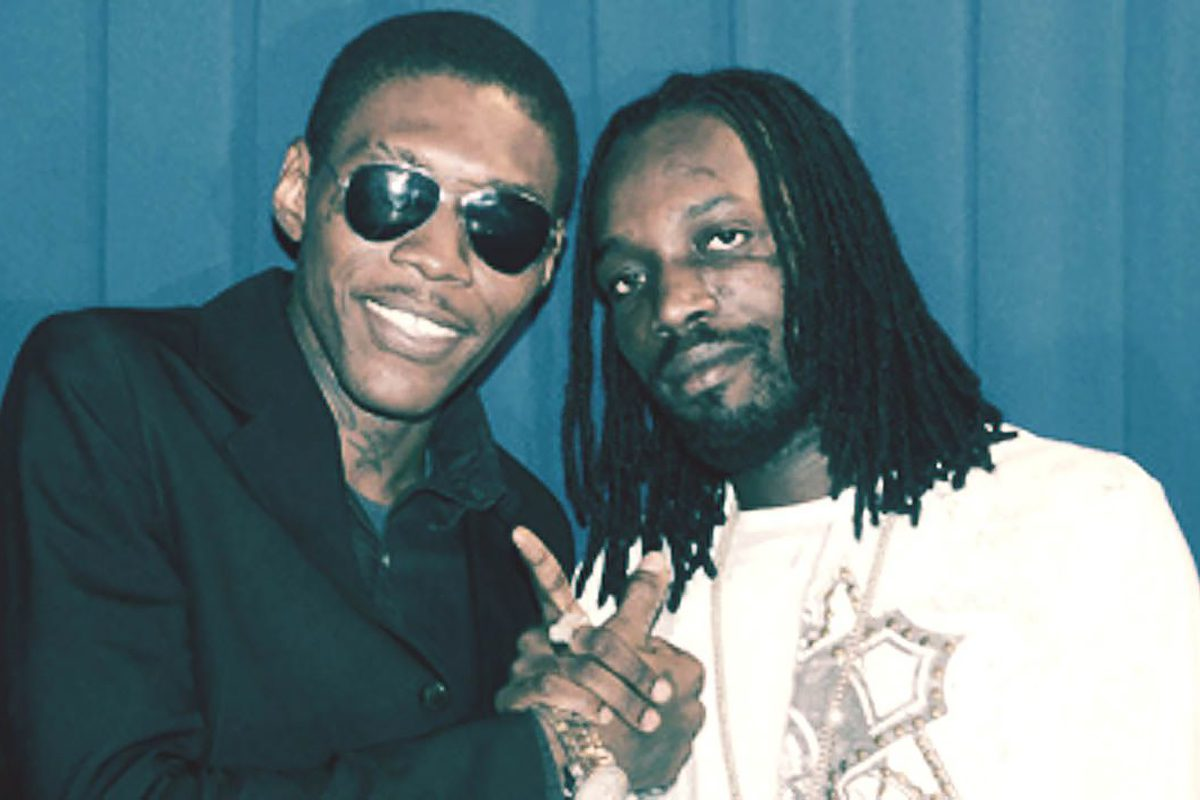
Kartel burst onto the musical mainstream in 2003 after his feature on Bounty Killer’s “Girl Like Mine,” with subsequent features alongside Wayne Marshall and his own solo effort “Start Well” with Don Corleone forming the core of the new millennium sound.
“Gaza” itself takes its name from a section of the Waterford housing scheme in Portmore where Kartel grew up and lived for many years.
Born David Constantine Brooks in Kingston in 1981 and raised in Cassava Piece, Mavado came up from one of the city’s toughest communities with a style shaped by hardship, ambition, and the energy of the sound system culture around him. He named himself “Mavado” after the Swiss watch company Movado, with his manager altering the spelling.
In 2004, Mavado released “Real McKoy,” his breakthrough single recorded over the Daseca crew’s Anger Management riddim.
What set Mavado apart early on was the contrast at the heart of his music: emotionally direct melodies over hard-edged dancehall rhythms, with lyrics that often spoke to survival, loyalty, and the realities of gully-side life.
“Gully” represents the actual gully which dissects Mavado’s childhood community of Cassava Piece in St Andrew.
The Common Root: Bounty Killer’s Alliance
To understand gully vs gaza, you first have to understand the Alliance. Both artists were disciples of Bounty Killer, one of Jamaica’s most influential deejays, who operated a loose collective that connected and mentored younger talents.
All three worked together under Bounty’s collective until Kartel decided to break out on his own, with Mavado taking the move personally, and the result was a rift that came to be known as the Gully-Gaza war.
It is said that at the time, the Alliance monopolized producers and riddims, excluding artists outside their circle, and Kartel’s departure is also said to have been a rebellion against the power structure of the dancehall industry itself.
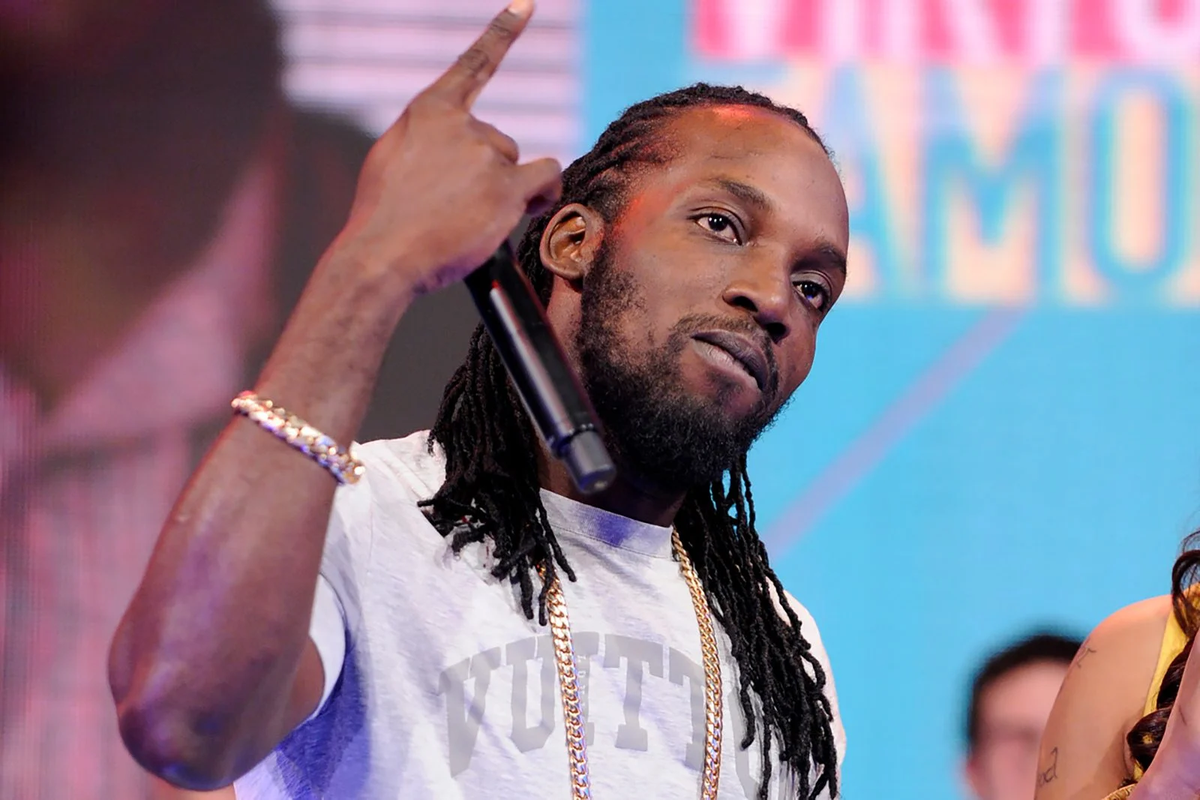
The split was therefore as much about creative and commercial sovereignty as it was about personal animosity between the two artists.
Mavado had his breakout single in 2005, and it was such a smash hit that people immediately wanted to know who this artist was.
Another protege of Bounty Killer, Mavado brought something fresh to dancehall, unique melodies into the realm of the gangster, and he embodied that persona completely. With two dominant personalities now operating independently in the same space, a collision was inevitable.
How the Feud Ignited
In 2006, Vybz Kartel left the Alliance and struck out on his own, which started a feud between himself and Mavado that spiraled into an all-out war. It was, in earnest, a war of lyrics, personal to a great extent, but not physical in nature.
The lyrical volleys that followed were among the most caustic in dancehall’s history of clashing. The feud generated numerous diss tracks, including “Warn Dem” and “Informer” from Mavado, and “Alliance Diss” and “Mafraudo” from Kartel.
Each record was designed not merely to embarrass the other artist but to claim kingship of the entire genre. Fans were forced to choose a side, and they did, with remarkable intensity.
The geographic dimension of the conflict gave it an almost tribal character. The words “Gaza” and “Gully” quickly became the most prominent graffiti across the island, visible almost everywhere, as common in most garrisons as Jamaica Labour Party and People’s National Party signs. A musical rivalry had taken on the coded language of political tribalism.
When the Lyrics Became Real: Street Violence and Government Intervention
The distinction between lyrical competition and real-world danger collapsed with alarming speed. Eventually, the diss tracks back and forth spilled out into underground street violence, and the two came together for a press conference in 2007 enforced by the police, to publicly denounce their beef.
Violence surged in Kingston and in Portmore. The Gleaner, Jamaica’s oldest newspaper, published a scathing editorial in 2009, with the late journalist Ian Boyne writing that the followers of both artists were “shooting, stabbing up and beating one another, not metaphorically or lyrically, but literally, physically, actually.”
Fans fought amongst each other almost daily in high schools in Jamaica, and as far as Trinidad and Tobago.
Experts who analyzed the issue at the time pointed out that the root of the violence was inadequate social development, and that many of the young people who were obsessed with Gaza or Gully had no place at home and harbored a thirst to belong to something, with the musical factions becoming the outlet for that.
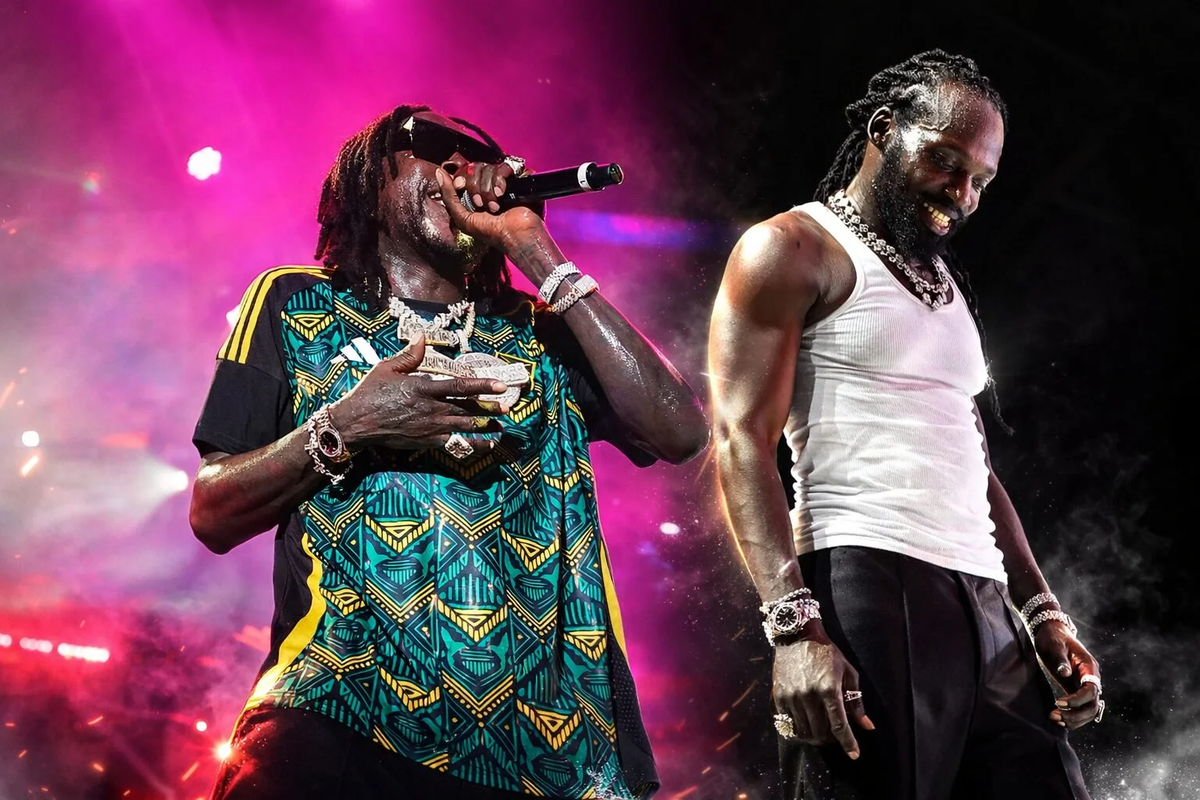
Most of 2009 saw a continuation of the public feud, which dominated Jamaican media and Jamaican culture, with the two artists’ factions being adopted by Jamaican youth in some cases leading to street violence.
On December 8, 2009, Kartel and Mavado met with Jamaican Prime Minister Bruce Golding in an attempt to end the feud, which had by that time fueled mob attacks in some of the inner-city neighbourhoods of Kingston.
At that meeting, Mavado said while sitting next to Kartel, “We’re not really enemies. It’s just about music. We have the fans and people take it to a different level.”
Despite the truce, both artists were forbidden from performing in Barbados, showing the ongoing repercussions of the conflict.
Sting 2008: The Night Dancehall Stood Still
The most storied single moment of the entire gully vs gaza era took place on December 26, 2008. Historical records date the famous Sting clash to December 26, 2008. Sting 2008 was held at the Jamworld Entertainment Centre in Portmore.
That location was significant: Portmore was Kartel’s home territory, meaning Mavado walked directly into the heart of the Gaza Empire.
The feud had subsided for a while before, with rumors that organizers of Sting instigated a rehashing of the beef in 2008.
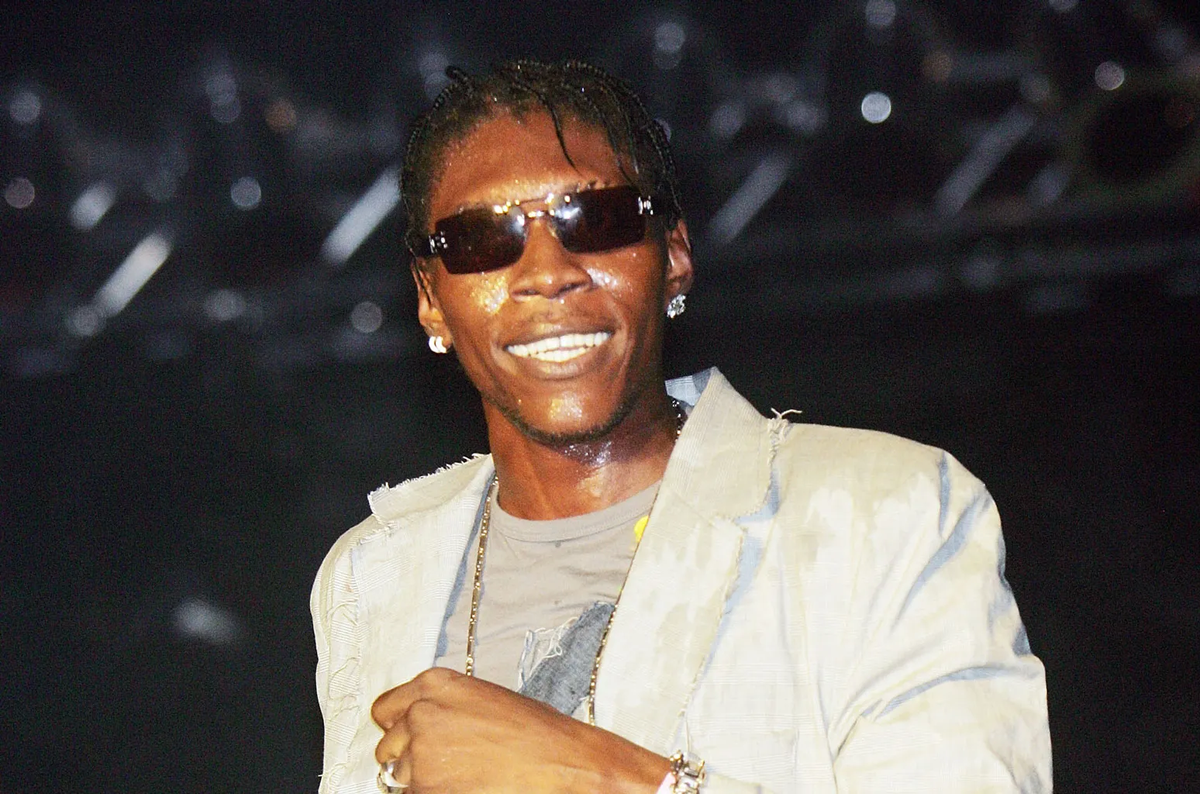
The feud culminated in a most anticipated clash between the two at the Sting Dancehall Festival. With an uncertain verdict of who the winner was, their feud persisted into 2009.
From a creative industry standpoint in terms of festivals, the most populous contemporary staging of Sting was Vybz Kartel versus Mavado.
The crowd that night is broadly described across Jamaican music journalism as one of the largest in Sting’s history, a reflection of how completely the feud had captured the national imagination.
To this day, who “won” that clash remains one of dancehall’s most passionately argued questions, with no consensus verdict ever issued.
The Cultural Legacy: How the Feud Reshaped Dancehall
Regardless of which side fans assigned a technical victory, the gully vs gaza era permanently altered the architecture of dancehall culture.
The battle royale between Vybz Kartel and Mavado was such a historic moment in the history of the music that it created two principal philosophies or schools of thought that are still at work today in dancehall.
On the Gaza side, the Portmore Empire became a launchpad for a generation of artists. The Gaza had many proteges who branched off to do their own thing, finding success in their own rights and remaining reverent to their leader and his teachings to this day, with Popcaan being a primary example.
The Gaza also had informal fraternities in different places including Montego Bay, and that connection later blossomed into the now popular 6ixx, which includes Squash, Chronic Law, Daddy1, and more, who pay homage to Vybz Kartel and merge their brand with his through collaborations.
On the Gully side, Mavado’s melodic approach to hardcore dancehall opened a lane that dozens of artists subsequently walked through, blending emotional directness with street realism. For years, the Gaza vs Gully rivalry defined an era of dancehall culture.
The musical battle between Kartel and Mavado fueled countless hits, energized fans globally, and helped shape the sound and identity of modern dancehall.
Mavado himself expanded his reach well beyond Jamaica during this period. His work reached international audiences through high-profile collaborations and appearances, including his cameo in Drake’s “Find Your Love” video and later links with major hip-hop names through DJ Khaled’s We the Best camp.
Mavado signed with DJ Khaled’s We the Best Music Group, a then-imprint of Cash Money and Republic Records, in 2011.
The pop culture impact of both was not without its blemishes, as the rivalry also contributed to the continued normalization of certain social tensions.
The feud’s footprint reached far beyond Jamaica’s shores: while it began on the streets of Kingston in the mid-2000s, its ripple effect spread across some parts of the globe, including to Kenya, where it deeply influenced youth culture and music.
Kartel’s Arrest and the Long Silence
The feud’s energy was abruptly interrupted by events that had nothing to do with music. In September 2011, Vybz Kartel was arrested by Jamaica’s Major Investigation Taskforce for the murder of Clive “Lizard” Williams, a case revolving around an alleged dispute over missing firearms.
After being convicted in March 2014, he was officially sentenced to 35 years in prison alongside three other associates, Andre St. John, Shawn Campbell, and Kahira Jones.
He continued to release songs from prison, releasing over 50 singles since 2016, prompting his supporters to continue campaigning relentlessly for his release.
The Gaza faithful kept the flag flying for over a decade, a testament to the depth of loyalty the movement had generated.
In March 2024, the UK-based Privy Council, Jamaica’s top court, tossed out all four men’s convictions due to juror misconduct.
Vybz Kartel was released from prison on Wednesday, July 31, 2024, after his murder conviction was overturned by UK judges.
Even during those 13 years of incarceration, the rivalry with Mavado would periodically resurface. The feud periodically resurfaced over the years, especially on social media.
In 2016, Kartel released the diss track “Last One,” which Mavado dismissed as weak. Then in 2020, Kartel referenced Mavado’s incarcerated son Dantay Brooks, prompting a fiery response. The embers, it seemed, never fully cooled.
The Reconciliation: From Rivals to Reunion
The thaw that fans had waited years to see began quietly in 2025. In June 2025, the unexpected happened: Kartel and Mavado reunited in Miami.
The moment was captured on video as the pair appeared on the set of DJ Khaled’s upcoming album “Alaam of God,” alongside legends like Bounty Killer and Buju Banton.
Footage showed the once-rivals chatting and laughing, signalling a powerful shift from rivalry to reconciliation.
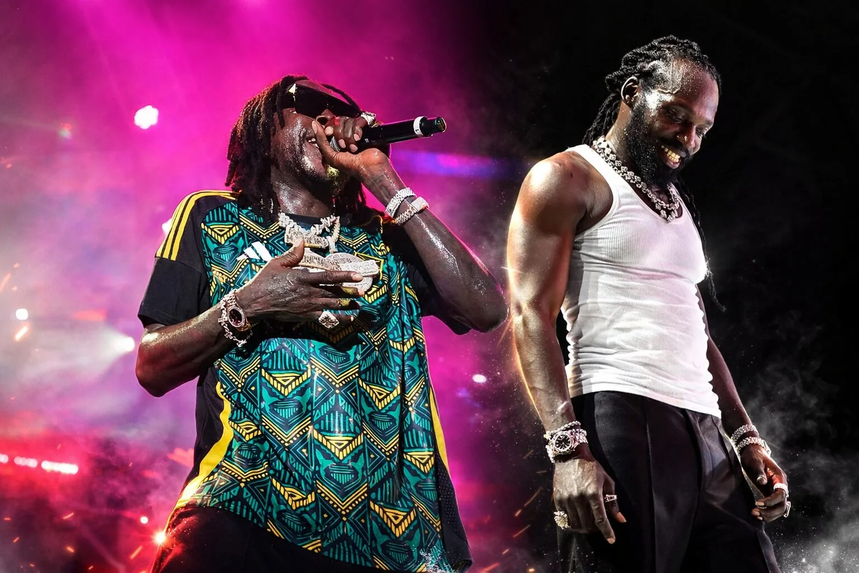
That private moment led directly to a series of historic public performances. Vybz Kartel and Mavado made dancehall history at Reggae Sumfest 2026, reuniting on stage for Gaza vs Gully before more than 35,000 fans.
On July 18, 2026, those fans reportedly gathered at Plantation Cove in St Ann for A Taste of Reggae Sumfest.
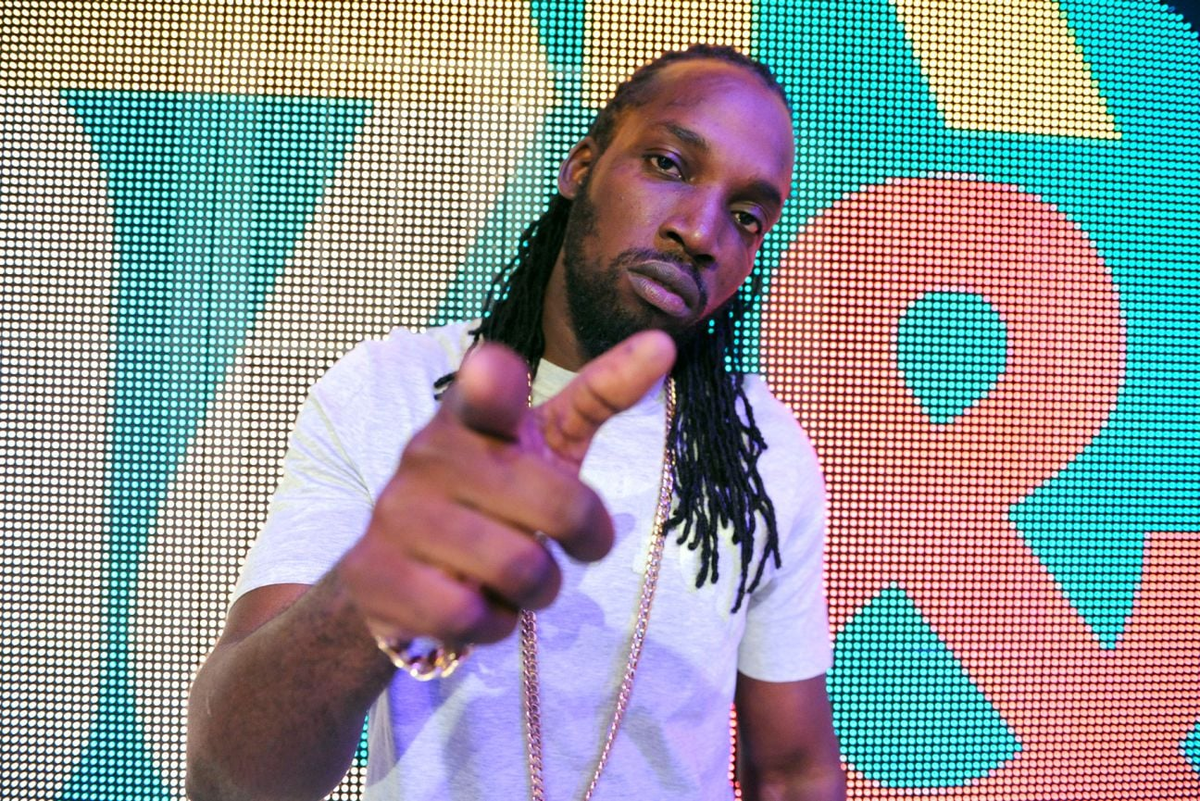
Shortly after 2:00 a.m., Kartel and Mavado entered the stage wearing outfits reminiscent of their legendary Sting 2008 appearance: Kartel in a military-inspired look and Mavado dressed in all black. But this was not an attempt to recreate the hostility of the past.
The rivalry had been transformed into a celebration of two catalogues, two legacies, and an era that shaped an entire generation.
The pair performed “Hype Life” together live for the very first time, a symbolic moment that reflected how far their journey together has come.
The show arrived during a major period for Kartel, who was presented with the MOBO Impact Award and went on to win Best Caribbean Music Act at the 2026 MOBO ceremony.
Gaza vs Gully Comes to Europe: The O2 Arena, September 2026
The reunion tour moved from Jamaica to the global stage in September 2026. Vybz Kartel and Mavado brought Gaza vs Gully to The O2 in London on September 9, and from there traveled to Malta for Freedom Street Europe from September 10 to 13, featuring two nights of Kartel and Mavado.
When The O2 Arena hosted Vybz Kartel and Mavado, it was not just another concert. It was the long-awaited reunion of two artists whose rivalry defined an era of dancehall and deeply impacted the Jamaican diaspora worldwide.
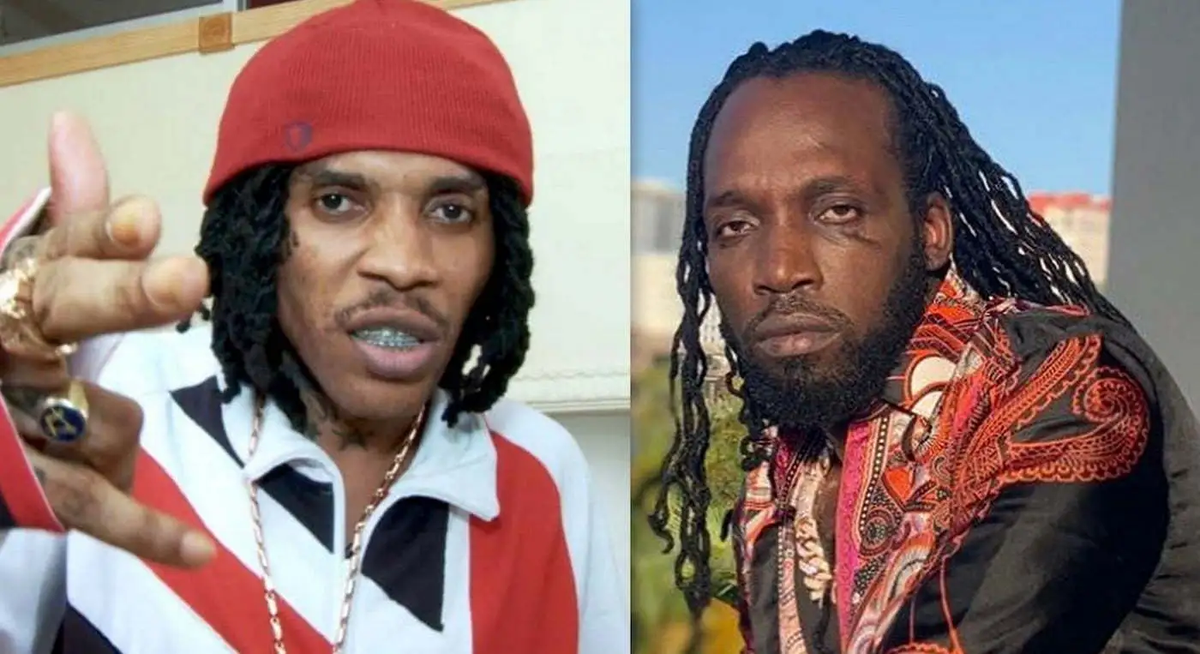
Making their entrance to the sounds of the iconic Anger Management Riddim, Kartel and Mavado dug deep into their catalogues, delivering classics including “Real McKoy,” “Broad Daylight,” “So Special,” “Gangsta for Life,” “Nuh Fraid,” “Set Fi Mi Army,” “Real Badman,” and “Nuh Bleach Wid Cream.”
The dancehall giants also welcomed UK rappers Digga D and Chip, along with acclaimed producer DJ Khaled, as special guests, and performed their recent collaboration “Hype Life,” taken from Kartel’s latest album, God and Time.
When Kartel and Mavado finally appeared on stage, they wasted no time, greeting one another with a heartfelt embrace before diving straight into the hits.
Why Gully vs Gaza Still Matters in 2026
The gully vs gaza feud was never simply a beef between two recording artists. It was a pressure valve for the social frustrations of inner-city Jamaica, a marketing phenomenon that packaged geographic identity into musical allegiance, and a cultural export that landed in diaspora communities from London to Kingston, Ontario to Nairobi.
The Gaza (Vybz Kartel’s Portmore) and Gully (Mavado’s Cassava Piece) feud began as a lyrical battle that evolved into a fierce divide among fans and communities, eventually becoming so serious that it drew government intervention.
Almost 20 years later, the two artists are headlining as a duo the largest locally held Jamaican music festival, Reggae Sumfest, a fact that speaks to how thoroughly their creative economies have been influenced by a rivalry that tested time.
For the generation that lived through it in real time, the 2026 reunion carries a weight that transcends entertainment.
After more than a decade of tension and nearly 18 years in the making, the two icons coming together for a series of historic performances symbolizes unity within the culture.
For the generation that discovered dancehall through YouTube rabbit holes or their parents’ record collections, gully vs gaza is the origin story: the moment the genre proved it could carry the full emotional range of a society, its fury, its pride, its grief, and, ultimately, its capacity to heal.
Nearly two decades later, the rivalry has shifted from a feud to a collaborative celebration of dancehall, reggae, and Caribbean culture.
That, as much as any diss track or clash verdict, may be the most enduring statement either man has ever made.