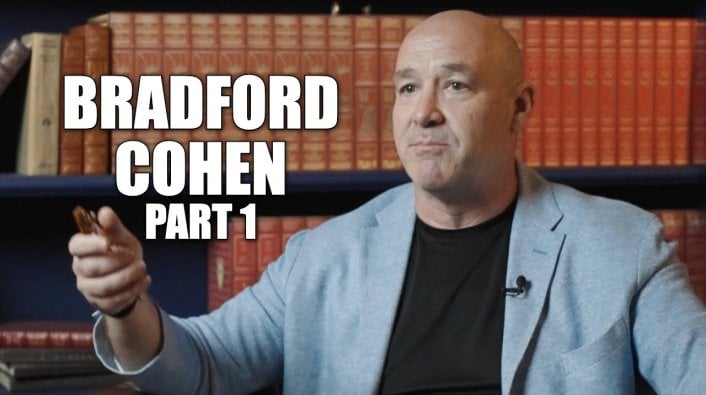

Bradford Cohen, the Florida criminal defense attorney who has represented Lil Wayne, Kodak Black, Drake, Rod Wave, and Travis Scott, says he had a conversation with Lil Durk just one day before Durk was taken into custody.
That detail alone raises questions about how the arrest unfolded and what, if anything, either of them knew was coming.
Cohen told VladTV that he found the “fleeing” argument from authorities unusual, and for a specific reason.

When law enforcement is building a coordinated case involving multiple defendants, the standard move is to arrest everyone at the same time, precisely to stop one person from tipping off another.
The fact that Cohen spoke to Durk the day before, and that arrests were not executed simultaneously, is the kind of procedural detail that defense teams look for.
It does not prove anything on its own, but it can complicate the narrative prosecutors are trying to build around a suspect’s intentions.
Cohen also broke down several other elements of the case that he sees as central to how things play out. He pointed to witness credibility as a major factor, specifically flagging the testimony from someone named Vonnie and how a jury might receive it.
Cooperating witnesses are always a double-edged situation in cases like this. They can provide damaging information, but their credibility gets torn apart on cross-examination the moment a defense attorney establishes they had something to gain by talking.
Cohen also addressed jail calls and text message interpretations, both of which have become increasingly common tools for prosecutors in hip-hop related cases. The way language is used in those communications, and whether a jury takes it literally or understands the context, can genuinely shift the outcome.
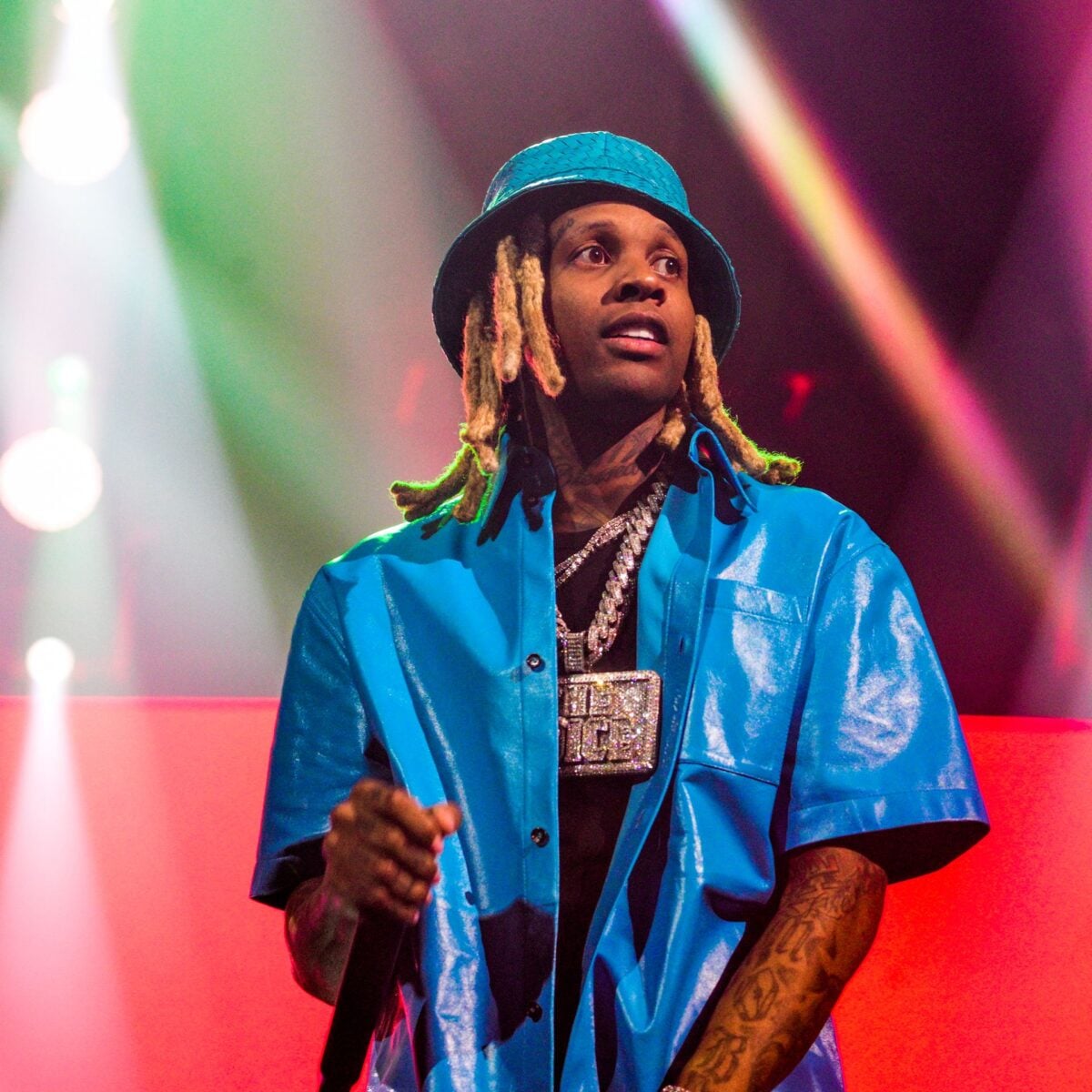
On the question of whether Durk should have taken the stand, Cohen was clear that he believes the decision not to testify was the right call.
That is a position most defense attorneys share, but it carries extra weight in a high-profile case where the defendant’s public persona is already well known to potential jurors.
Cohen drew comparisons to other major legal battles, including the ongoing Diddy case, Mann Act charges, and RICO arguments more broadly.
RICO cases in particular tend to be sprawling, and the government’s strategy often relies on connecting a web of people and actions rather than proving one clean, singular crime.
The comparison to Diddy is interesting because both cases involve celebrity defendants facing serious federal exposure, with cooperating witnesses playing a central role in what the government can actually prove. Cohen’s read is that jury perception of those witnesses will be the deciding factor in Durk’s case.
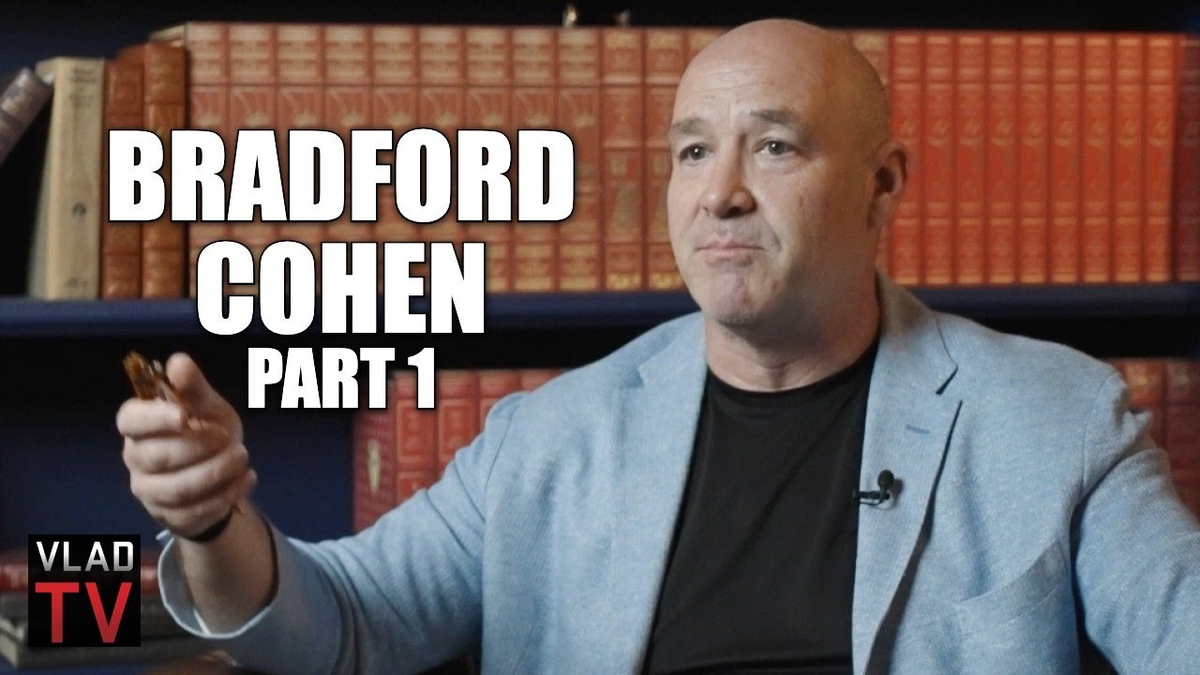
There is still a lot of ground to cover before any verdict, and Cohen’s perspective is that of an outside attorney analyzing the situation rather than someone directly involved in Durk’s defense.
Still, his track record with high-profile clients gives his breakdown a certain weight that goes beyond commentary.
The case continues to develop, and the questions Cohen is raising about timing, witness reliability, and legal strategy are ones that will keep coming up as proceedings move forward.