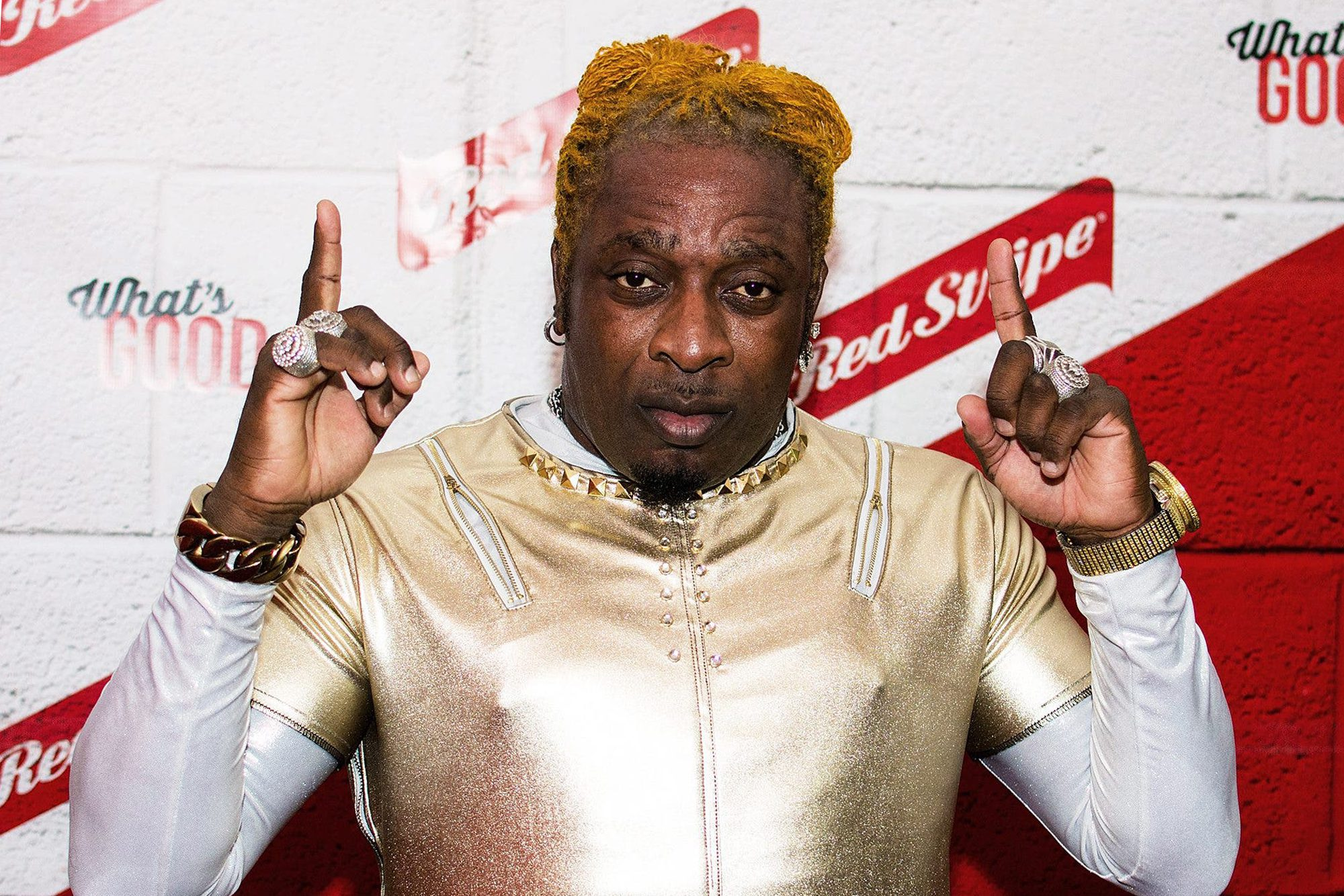
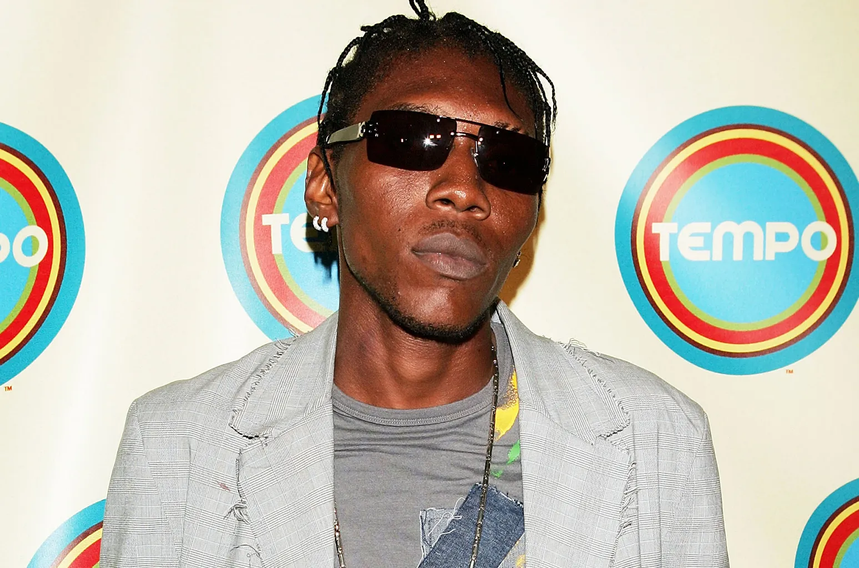

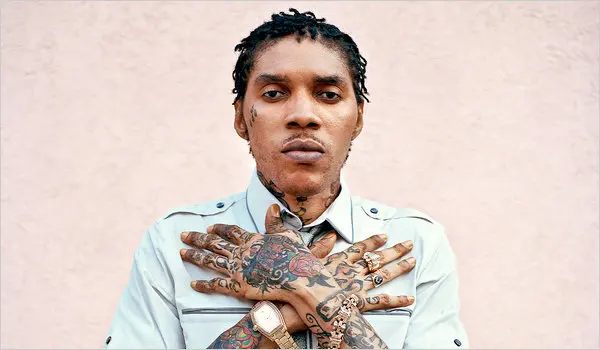
It is no exaggeration to say that Vybz Kartel is the most influential Jamaican recording artist since Bob Marley.
His catalog spans raw street anthems, chart-crossing love songs, and era-defining riddim cuts that have shaped the sound of dancehall for more than two decades.
Whether you are a lifelong Gaza fanatic or a newcomer arriving via a Travis Scott collab, this ranked list of the 50 best Vybz Kartel songs is the definitive guide to the Worl’ Boss discography.
Born Adidja Azim Palmer in Portmore, Jamaica, Kartel has racked up 1.58 billion official on-demand U.S. streams, according to Luminate, making him one of dancehall’s commercial giants.
With his Auto-Tune-enhanced vocals and genius for hooks, Kartel put his own stamp on the hottest of riddims.
The rankings below weigh cultural impact, commercial performance, longevity on playlists, and the consensus of the dancehall community. Every song listed is real, verifiable, and sourced.
Who Is Vybz Kartel? A Brief Career Context
Growing up in the coastal suburb of Waterford, Portmore, Adidja Azim Palmer (born 7 January 1976) began releasing music at 12 years old, performing under the name Adi Banton in tribute to one of his heroes, Buju Banton, with his three-man crew.
Although the group split in the mid-1990s, he continued as a solo act, retained their name Vybz Kartel, and became a protege of DJ Bounty Killer, joining his collective The Alliance.
Being crowned 2002 deejay of the year at the Stone Love Sound System’s 30th anniversary party meant the singer had officially arrived amongst the Jamaican dancehall community.
Releasing his debut album Up 2 di Time in 2003, his controversial, aggressive style led to a high-profile feud with rival Ninjaman, and he adopted a tough, gangsta persona on hits “Guns Like Mine” and “Badman.”
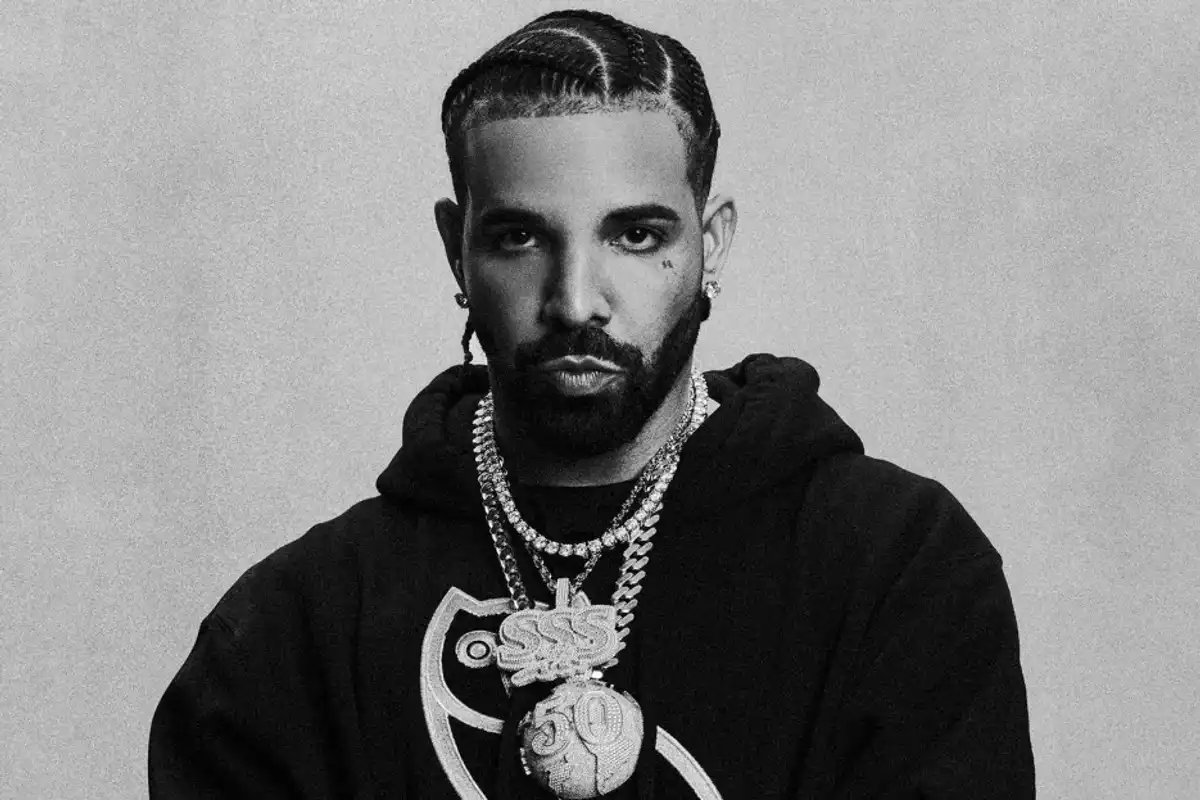
He has been credited as an inspiration for the dancehall-infused work of a number of Western artists, including Drake, who has cited Kartel as being one of his “biggest inspirations.”
On April 3, 2014, Kartel was sentenced to life in prison after a 65-day trial, one of the longest in Jamaica’s history.
Yet while incarcerated, Kartel clandestinely recorded, with the help of an iPad and his producer Linton “TJ” White, a litany of projects, including 2016’s King of the Dancehall, which spawned “Fever,” arguably the biggest dancehall crossover hit of the latter 2010s.
On 31 July 2024, Kartel was released from prison after the Court of Appeal declined to retry the Williams case. Since then, he has expanded his global profile with features in Billboard (January 2025 cover), The Face, Rolling Stone, GQ, and The New York Times, two consecutive Grammy nominations (2025 and 2026), a MOBO Impact Award (2025), and MOBO Best Caribbean Music Act (2026).
How We Ranked These Songs
The 50 entries below are drawn from Kartel’s verified studio discography, mixtapes, and featured appearances spanning 1993 to 2026.
Songs are ranked on four criteria: demonstrable cultural impact inside and outside Jamaica, chart performance on verified charts (Billboard, BPI), streaming longevity, and critical and fan consensus from multiple sources.
Where chart data exists, it is cited. Where it does not, the song’s inclusion is defended on documented cultural grounds.
The 50 Best Vybz Kartel Songs
1. Fever (2016)
The undisputed centerpiece of the Kartel catalog. Originally released in 2016 as the lead single from his album King of the Dancehall, “Fever” was produced by TJ Records while Kartel was serving a prison sentence.
“Fever” received Silver certification in the UK in 2023 after surpassing 200,000 units, before doubling that figure to earn Gold status, and it was also certified Gold in the United States by the RIAA in 2025, making it one of the most commercially successful dancehall songs of its era.
As of July 2026, “Fever” has amassed approximately 147 million Spotify streams, making it Kartel’s most-streamed dancehall song on the platform, while its official audio and music video have generated more than 100 million combined views on YouTube.
On Billboard charts, “Fever” stalled at #36 on the R&B/Hip-Hop Airplay chart and #23 on Rap Airplay.
2. Romping Shop (feat. Spice) (2009)
He developed a reputation for formidably fierce lyrical battles with rivals and for songs about sex and romance like “Romping Shop,” a steamy 2010 duet with Spice.
Buoyed by its irresistible interpolation of Ne-Yo’s “Miss Independent,” Kartel and Spice’s intensely carnal “Ramping Shop” duet reached No. 76 on Billboard’s Hot R&B/Hip-Hop Songs chart in 2009, marking both artists’ chart debut. It remains a landmark in dancehall’s crossover history.
3. Clarks (feat. Popcaan and Gaza Slim) (2010)
His 2010 single “Clarks” was one of his biggest international successes, remaining in the top three reggae singles and gaining the most radio plays in North America for 40 weeks.
When his singles “Clarks,” “Clarks 2 (Clarks Again),” and “Clarks 3 (Wear Weh Yuh Have)” featured the British shoe brand Clarks in 2010, its sales numbers and prices in Jamaica increased dramatically.
The track was a team-up with Popcaan, Kartel’s most successful protege, a testament to his influence on late-2010s dancehall crossover artists.
4. Pon De Floor (feat. Major Lazer) (2009)
Kartel’s appearances on tracks such as Rihanna’s “What’s My Name” and Major Lazer’s “Pon de Floor” boosted his international profile.
Pon De Floor” with Major Lazer peaked at #41 on Billboard’s Dance Digital Song Sales chart in 2010.
The track became a club staple worldwide and introduced an entirely new international audience to Kartel’s delivery.
5. PBT (feat. Travis Scott and Tyla) (2025)
The defining crossover moment of Kartel’s post-prison era. Vybz Kartel landed his first-ever Top 5 entry on a Billboard chart, as “PBT” surged to No. 5 on the Rhythmic Airplay chart after 19 weeks of steady momentum.
“PBT” appears on the 17-track compilation Jackboys 2, released via Cactus Jack Records and Epic Records.
The last time Kartel charted on any Billboard chart before this run was in December 2025, when “PBT” by Travis Scott, Tyla, and Vybz Kartel peaked at #5 on Rhythmic Airplay.
6. Summer Time (2011)
Kartel’s singles include “Romping Shop” (2009), “Dancehall Hero” (2010), and “Summer Time” (2011), and “Summer Time” stands as one of his smoothest, most radio-ready productions.
The song’s breezy melody and warm production made it a perennial summer soundtrack across the Caribbean and diaspora, and it remains a staple at parties years after its release.
7. Yuh Love (2009)
In August of 2009, Vybz Kartel delivered the single “Yuh Love” for Mixpak Records on Dre Skull’s Smoke Machine Riddim. The single grew in Jamaica and worldwide, and the video pushed the exposure to a new level.
Fan polls consistently place it among the best Vybz Kartel songs, with Ranker’s community of voters placing it in their top three alongside “Clarks” and “Go Go Club.”
8. Dancehall Hero (feat. Ce’cile) (2010)
Kartel’s singles include “Romping Shop” (2009), “Dancehall Hero” (2010), and “Summer Time” (2011). “Dancehall Hero” is a crowd-rallying anthem that captures Kartel at his self-mythologizing best, pairing his raw deejay delivery with Ce’cile’s melodic hook over a riddim that dominated sound systems across Jamaica in the year of its release.
9. Straight Jeans and Fitted (2010)
His crossover continued with 2010’s “Straight Jeans and Fitted” and “Clarks.” This track became a fashion statement as much as a song, with the phrase entering everyday Jamaican parlance.
Few artists before Kartel could dictate national dress codes through a single release, and “Straight Jeans and Fitted” proved that his influence extended well beyond the speaker box.
10. Addi Truth (2012)
Released during Kartel’s pre-trial period, “Addi Truth” is widely regarded among hardcore fans as one of his most emotionally raw performances.
The song addressed his legal situation and his relationship with his followers directly, and it circulated widely on mixtapes and online platforms at a time when any new Kartel content was received with intense anticipation.
11. Loodi (feat. Vybz Kartel) / Shenseea (2018)
One of Kartel’s strongest featured appearances, this collaboration with then-rising star Shenseea became a viral hit. The pairing highlighted Kartel’s uncanny ability to elevate younger artists while remaining the dominant voice on the track.
12. Cake Soap (2010)
“Cake Soap” entered Jamaican cultural conversation as a commentary on skin bleaching, a topic directly connected to Kartel’s own publicly documented skin transformation.
The song is as lyrically daring as anything in his catalog, blending comedy, social commentary, and self-awareness in a way that few dancehall artists would attempt.
13. Gunshot (2009)
A bone-rattling riddim cut that showcases Kartel’s ability to dominate hard, militant productions. “Gunshot” was a road march staple and a reminder of his roots in the more aggressive end of the dancehall spectrum.
14. Dollar Sign (2009)
“Dollar Sign” was in regular rotation on urban radio stations in the US, a notable crossover achievement for a Jamaican deejay at the time.
The song demonstrated Kartel’s commercial instincts and his ability to craft hooks that translated beyond the island’s sound systems.
15. Thank You Jah (2010)
A rare moment of spiritual reflection in a discography otherwise defined by gunman narratives and sexual bravado, “Thank You Jah” reveals the range that makes Kartel’s catalog genuinely compelling.
Standout songs include “Romping Shop,” “Clarks,” “Summer Time,” “Jersey,” “Tek Buddy,” “Fever,” and “Thank You Jah,” and that list could go on for a long time.
16. Bicycle (2012)
One of Kartel’s more playful, riddim-driven cuts, “Bicycle” became a party-starter across the Caribbean. Its momentum-building, double-entendre structure is a textbook example of how Kartel operates within the conventional dancehall song format while always finding a way to make a track feel distinctive.
17. King of the Dancehall (2016)
The title track from his landmark 2016 album, this song is Kartel’s most direct assertion of dominance. His 2016 album King of the Dancehall reached number two on Billboard’s reggae chart, with success propelled by the single “Fever.”
The title track itself is the philosophical counterpart to “Fever,” establishing the album’s thesis in under three minutes.
18. Ramping Shop (2009)
Note: “Ramping Shop” and “Romping Shop” are interchangeable titles used for the same Kartel-Spice collaboration across different markets. Kartel and Spice’s “Ramping Shop” topped out at #76 on Billboard’s Hot R&B/Hip-Hop Songs chart in 2009.
Its placement at No. 2 in this list refers to the overall song; this entry examines its extended cultural life on the UK and US dancehall club circuit through the mid-2010s.
19. Weh Dem A Do (2013)
A quintessential example of Kartel recording from behind bars and still sounding completely in command. “Weh Dem A Do” was one of several releases that kept his name central to dancehall discourse during the years between his arrest and conviction.
20. Unstoppable (2024)
First Week Out, a 12-track mixtape released on July 31 just hours after he was released from prison, debuted at #8 on the Billboard Reggae Albums chart and features the songs “The Menace,” “Terror by Night,” “Unstoppable,” “Skillful,” “Giant,” “Beat Dem Bad,” and “Number One.” “Unstoppable” is the emotional high point of that project, arriving like a statement of survival.
21. Number One (2024)
The companion piece to “Unstoppable” on First Week Out, this track captures the euphoria of Kartel’s first days of freedom with a directness that no amount of studio craft could manufacture.
The mixtape debuted at #8 on the Billboard Reggae Albums chart, making both songs part of a historically significant release.
22. F\\k and Party (feat. Chris Brown) (2026)
Vybz Kartel earned his second entry on Billboard’s Hot R&B/Hip-Hop Songs chart thanks to his collaboration with R&B singer Chris Brown, titled “F\\k and Party.”
The song debuts at #39 on the chart. It represents the clearest mainstream American crossover of his post-prison catalog.
23. Guns Like Mine (2002)
Vybz broke out on his own in 2002 with a string of solo hits including “Guns Like Mine,” “Badman,” and “Most High.” “Guns Like Mine” was the song that announced to Jamaica that Bounty Killer’s protege was ready to stand on his own. Its raw confidence belongs in any serious survey of the best Vybz Kartel songs.
24. Badman (2002)
The companion single to “Guns Like Mine,” “Badman” cemented the dual pillars of Kartel’s early persona: lyrical precision and unflinching street credibility. He adopted a tough, gangsta persona on hits “Guns Like Mine” and “Badman,” and neither has aged poorly.
25. Most High (2002)
The third major single from Kartel’s breakout year, “Most High” showed he could move between aggressive posturing and more melodic, roots-adjacent material without losing his audience. It rounds out the trilogy of tracks that made 2002 his year.
26. Go Go Club (2007)
Ranker voters place “Go Go Club” in their current top three Vybz Kartel songs. A dancehall event-night staple, the track’s production captures the mid-2000s moment when Kartel was transitioning from street-corner favorite to island-wide phenomenon.
27. Wine to the Top (feat. Wizkid)
One of the clearest examples of Kartel’s interest in bridging Afrobeats and dancehall, this collaboration with Afrobeats superstar Wizkid arrived ahead of its time and anticipated the cross-genre fusion that would define his 2026 album God and Time.
God and Time features collaborations with Wizkid, Spice, Puerto Rican artist Farruko, Shenseea, Skillibeng, and Mavado.
28. Story Book (feat. Rvssian)
A glossy, radio-primed collaboration with producer Rvssian that demonstrates Kartel’s comfort working across different production aesthetics.
The song appealed to listeners who might not venture into his rawer mixtape material, broadening his audience without compromising his voice.
29. Mhm Hm (2016)
An underrated gem from the King of the Dancehall era, “Mhm Hm” showcases the melodic Kartel, singing over a lilting production with a nonchalance that belies considerable technical skill. It remains a fan favorite on streaming platforms.
30. Jersey (2011)
Standout songs include “Romping Shop,” “Clarks,” “Summer Time,” “Jersey,” and “Fever.” “Jersey” is a smooth, seductive cut that highlights Kartel’s proficiency with the romantic side of dancehall. It became a popular choice for slower sections of sound system sets and club nights.
31. Colouring This Life (2013)
One of several thoughtful, introspective tracks released during Kartel’s incarceration. “Colouring This Life” strips back the bravado and reveals an artist processing his circumstances through melody. It is among the most emotionally vulnerable recordings in his entire catalog.
32. African Summer (2016)
Released in the same prolific King of the Dancehall period, “African Summer” found Kartel reaching toward pan-African musical themes years before Afrobeats fully infiltrated dancehall.
In retrospect, it reads as a precursor to the cross-continental collaborations that define his 2025 and 2026 output.
33. Real Bad Gal (2016)
A celebratory ode aimed squarely at his female fanbase, “Real Bad Gal” became a dancefloor anthem and a radio hit in the Caribbean simultaneously. It ranks among his most replayable purely fun recordings.
34. Tek Buddy (2010)
Standout songs include “Romping Shop,” “Clarks,” “Summer Time,” “Jersey,” “Tek Buddy,” and “Fever.” An explicit fan favorite, “Tek Buddy” captures the raw, unfiltered energy that made Kartel’s earlier catalog required listening at bashments across the Caribbean.
35. Any Weather (2018)
A more reflective, mid-tempo production that shows Kartel’s growing comfort with melody over pure deejay delivery.
“Any Weather” circulated widely in the diaspora and was praised for its mature, considered feel.
36. Cloudy (2019)
“Cloudy” is one of the more atmospherically distinct entries in the Kartel catalog, built on a moody, minor-key production that leans closer to R&B than traditional dancehall.
It is a useful reminder that Kartel has always operated across genre lines rather than within a single lane.
37. Eagle (2020)
Released during a period when Kartel’s output from behind bars remained relentless, “Eagle” is a soaring, pride-filled anthem.
Its imagery of freedom and elevation carries additional weight given the context of its creation.
38. Panic (feat. Shenseea)
This collaborative return with Shenseea arrived as part of Kartel’s sustained output during incarceration and demonstrated his continuing ability to identify and work with the next generation of dancehall talent. The song further cemented his role as a mentor figure within the genre.
39. Whap Whap (2014)
One of the riddim cuts that kept Kartel’s sound alive during the immediate post-conviction period. “Whap Whap” moved seamlessly through the sound system circuit and proved that his voice, even captured under difficult recording conditions, retained its authority and commercial appeal.
40. Clarks Again (Pt. 2) (2010)
The first sequel to the original “Clarks,” this follow-up proved the original’s cultural moment was not exhausted.
It continued the Clarks trilogy that, taken together, represents one of the most unusual product-placement success stories in music history.
When his singles featuring the British shoe brand Clarks appeared in 2010, its sales numbers and prices in Jamaica increased dramatically.
41. Wear Weh You Have / Clarks Pt. 3 (2011)
The third and final chapter of the Clarks trilogy brings the saga to a satisfying close, incorporating the franchise’s accumulated cultural weight and a production that was arguably superior to both predecessors. It is an essential listen for anyone tracing Kartel’s early 2010s commercial peak.
42. Beat Dem Bad (2024)
The First Week Out project features songs including “Beat Dem Bad.” As one of the tracks released on the same day Kartel walked free from prison, “Beat Dem Bad” carries a historical significance that goes beyond its musical content. It is a document of a specific, remarkable moment.
43. Dumpa Truck (2010)
A high-energy party track that became a standard on the Caribbean sound system circuit, “Dumpa Truck” is one of the defining songs of the 2010 dancehall era. Its production is immediately identifiable and its chorus has the kind of physical effect on a crowd that most artists spend careers trying to achieve.
44. Turn and Wine (2010)
Another essential entry from Kartel’s extraordinary 2010 run, “Turn and Wine” is a direct command to the dance floor and one of the best pure dancehall party records he has ever made. Its simplicity is its strength.
45. Stulla – Mavado (2010)
“Stulla” is a Mavado track released on the Bicycle Riddim. The song came during the period surrounding Mavado and Vybz Kartel’s highly publicized reconciliation after years of rivalry.
Jamaica’s youth had previously divided themselves between Kartel’s Gaza crew and Mavado’s Gully camp. On December 7, 2009, the two artists publicly put their feud aside with a historic joint performance. The following day, they met with Jamaican Prime Minister Bruce Golding as part of efforts to promote peace and ease tensions surrounding their rivalry.
46. Blackberry (Get Gyal Easy) (2011)
A lighthearted, wryly observed commentary on how mobile technology had changed dating culture in Jamaica. “Blackberry” was one of several Kartel songs that functioned simultaneously as dancehall records and social observation, a combination that has always distinguished him from peers.
47. Dollar Sign (Remix) (2010)
The extended life of “Dollar Sign” in remixed form kept it circulating through 2010 and into 2011, and the remix drew in collaborators from the broader dancehall community. The original “Dollar Sign” was in regular rotation on urban radio stations in the US, and the remix amplified that crossover reach.
48. Number One (Popcaan response) / Gaza Legacy Tracks (various)
Kartel’s influence on Popcaan, his most successful protege, produced a body of collaborative and responsive tracks that function as a dialogue between two of dancehall’s most important voices. “Clarks” was a team-up with Popcaan, Kartel’s most successful protege, a testament to his influence on late-2010s dancehall crossover artists.
49. Worl’ Boss (2007)
The track that cemented his “Worl’ Boss” nickname as an established part of dancehall vocabulary. Among his various nicknames, he is referred to as Worl’ Boss, Teacha and King of Dancehall, and this song is the origin document for the most enduring of those three monikers.
50. Gun Clown (2003)
Kartel’s breakthrough came in 2003 with the release of “Gun Clown,” a track that showcased his unique style and lyrical prowess. As the song that announced him to a wider world and set the tone for everything that followed, “Gun Clown” earns its place at the end of this list as the origin point of one of dancehall’s most extraordinary careers.
The Bigger Picture: Kartel’s Legacy in 2026
Understanding Kartel’s singular career means grasping that his pop stardom and underground dominance have always worked in tandem.
For every song of his that became a global mainstay, one of his raw, evocative mixtapes simultaneously ruled the streets of Kingston.
Dancehall veteran Vybz Kartel earned his 12th entry on the Billboard Reggae Albums chart with God and Time, which entered at number six in June 2026.
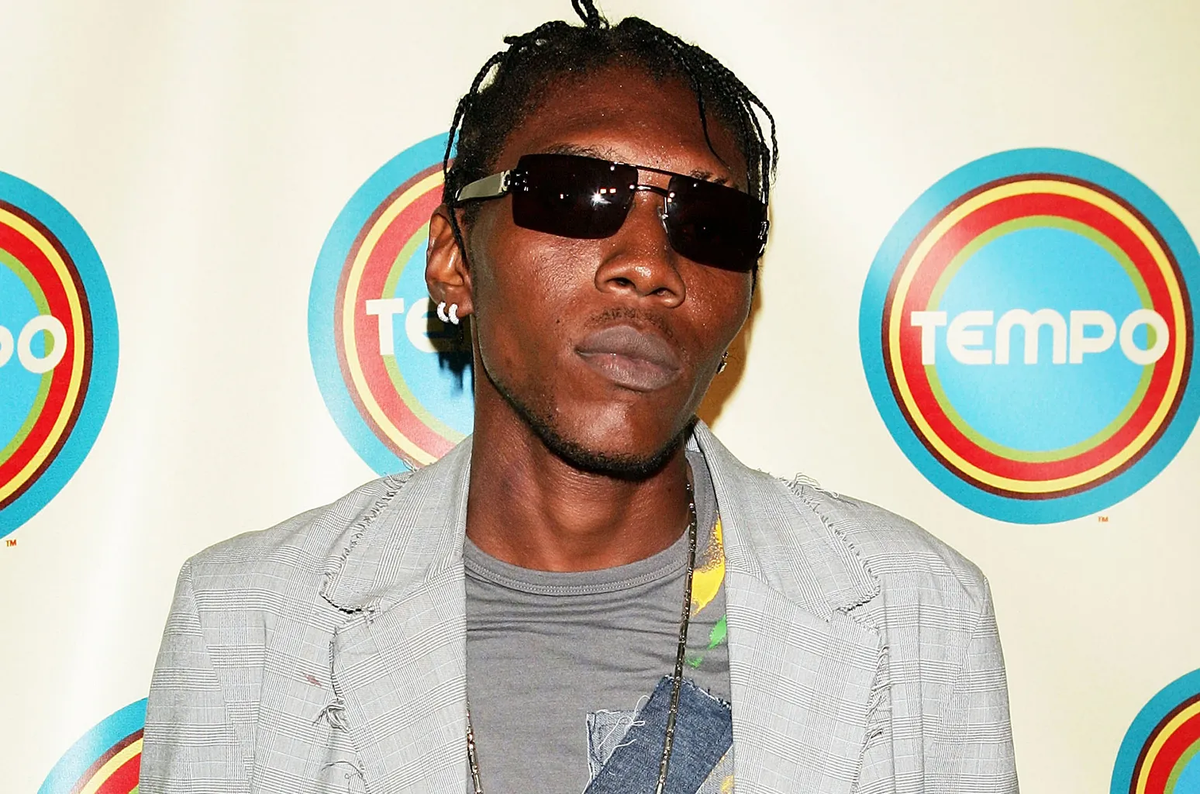
God and Time features collaborations with Wizkid, Spice, Puerto Rican artist Farruko, Shenseea, Skillibeng, and Mavado, reflecting a deliberate push toward global genre-blending that began the moment he walked free.
Kartel is yet to score a chart-topper on the Billboard Reggae Albums chart. He came closest in 2016 when King of the Dancehall entered and peaked at number two.
That mark may yet fall: with two consecutive Grammy nominations, a Top 5 Rhythmic Airplay hit, and a new album charting internationally, the Worl’ Boss is writing the most commercially expansive chapter of a career that began more than three decades ago.
No ranked list can fully contain a discography this vast. But the 50 songs above represent the essential Vybz Kartel listening experience for any dancehall fan, casual listener, or music historian trying to understand how one artist from Portmore, Jamaica reshaped a genre, endured the unimaginable, and came back louder than ever.