


If you have ever wondered about the stir it up meaning at the heart of one of Bob Marley’s most enduring songs, the short answer is this: it is a love song, built on layered metaphor, directed at the woman Marley had just married.
The longer answer involves a half-decade journey from a Jamaican rocksteady single to an Island Records landmark to one of the best-selling reggae albums ever assembled.
This explainer walks through the lyrical meaning, the song’s origins, and the remarkable life it took on long after Marley first put it to tape.
What Does “Stir It Up” Actually Mean?
There are two prevailing theories regarding the meaning of this song.
The dominant reading, and the one supported by the closest biographical sources, is romantic and intimate. The song explores themes of love, desire, and intimacy, using the metaphor of stirring to symbolize rekindling romance and connection between partners.
The phrase itself is a layered invitation. The phrase “stir it up” is a metaphor for igniting feelings of love and passion.
The repetition of the phrase “stir it up” serves as a powerful metaphor for rekindling a romantic relationship, emphasizing the importance of nurturing love over time.
The second reading, circulated widely among fans, links the lyric to marijuana. Some fans suggest that the meaning of “Stir It Up” has to do with marijuana, a notion that comes from the well-known fact that Bob Marley was a Rastafarian who smoked a lot of marijuana.
Notably, he smoked spliffs, which are a mix of marijuana and tobacco. When you “stir it up” in that sense, you are mixing up the cannabis and tobacco into a blend prior to rolling it up.
The album artwork for Catch a Fire added fuel to that reading: the cover famously depicted Marley smoking, and any song that includes words like “blaze” and “fire” will invoke that interpretation by some.
Most commentators, however, settle on the romantic interpretation as primary. The general consensus is that this track actually serves as a shoutout to Rita Marley, whom Marley married just a year prior to composing it, using harmless metaphors to express his desire to get physical with his new wife.
Crucially, the lyrics never name their subject. Because the lyrics never mention her name, or even romance at all, the song has a general applicability, allowing listeners to apply it to their own yearnings for loved ones.
The Personal Story: A Love Letter to Rita
“Stir It Up” was written for his wife, Rita, in 1967, the year after they were married. Bob and Rita’s relationship was already deeply intertwined before the ink dried on their wedding certificate.
Rita’s talent for music was obvious, and she helped Bob write two of his tracks, “Nice Time” and “Stir It Up.” Marley married Alfarita “Rita” Anderson on February 10, 1966.
According to Rita Marley’s memoir No Woman, No Cry: My Life With Bob Marley, this song was written as a reflection of her life with Bob Marley. The pair had been married since 1966, and stayed together right up until Marley’s succumbing to cancer in 1981.
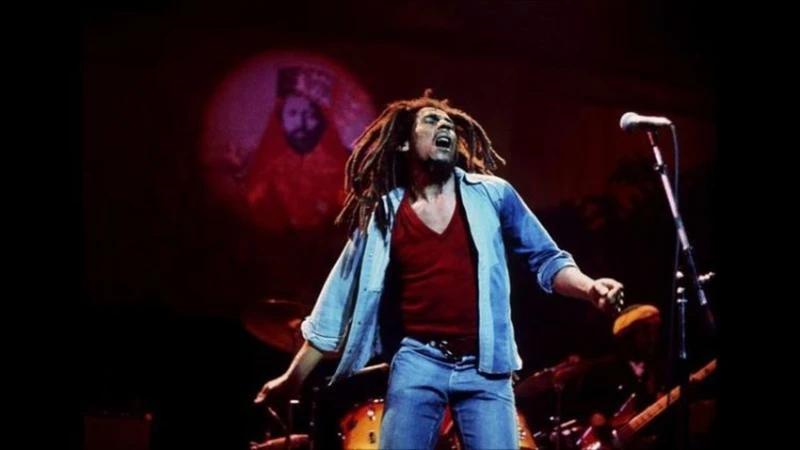
The lyrics refer to being intimate, in a real easygoing way, with a lover in your life. The song reminds one of a lazy afternoon spent somewhere tropical, with somebody who makes you feel at ease.
Rolling Stone, in its list of the 50 Greatest Bob Marley Songs, described the track in a similar register: “this seductive vamp is arguably Marley’s most popular love song.”
A Song in Three Acts: The Recording History
Stir It Up” is a song composed by Bob Marley in 1967 and first recorded by the group Bob Marley and the Wailers that year and issued as a single. The first version appeared in 1967 when Marley recorded the song with his band, The Wailers.
This version was closer to the ska and rocksteady genres that the group were playing around that time, predating reggae by at least a year. Without much exposure outside of Jamaica, the original version of “Stir It Up” quickly fell by the wayside.
Nash had signed Marley to his first publishing contract, so he had an inside look into Marley’s catalogue. Nash took a liking to “Stir It Up” and decided to record it for his 1972 album I Can See Clearly Now.
Not only was Marley an assistant producer on Nash’s album, but he also contributed a handful of tunes, including “Stir It Up.”
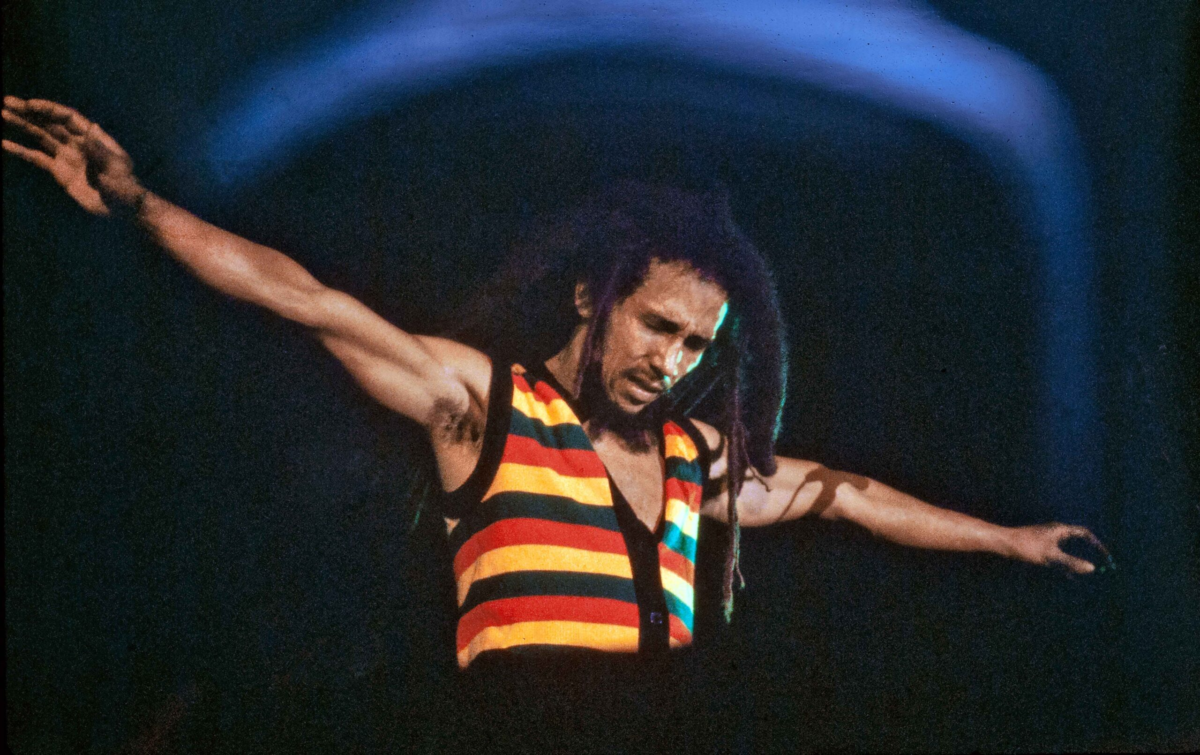
“Stir It Up” was the first Marley-written song to be successful outside Jamaica. Nash’s success with it set the stage for Marley’s own definitive recording.
With the success of Nash’s version, Marley decided that he and The Wailers had to re-record the song for their 1973 album Catch a Fire. Catch a Fire, released on 13 April 1973, is the fifth album by The Wailers and the first the band released on Island Records.
Producer Chris Blackwell advanced the Wailers money for an album and paid their fares back to Jamaica, where they recorded Catch a Fire.
The re-recorded “Stir It Up” stretched to over five minutes, and gained a richer, fuller sound compared to the 1967 original. Besides Marley’s vocals, another major highlight of this track is Peter Tosh’s brilliant guitar solo.
The band performed “Stir It Up” on The Old Grey Whistle Test in 1973 during their first trip to the UK, singing live over a Chris Blackwell overdubbed backing track. That television performance helped introduce Marley to a British audience that would become one of his most devoted.
Critical acclaim has included the album being listed at number 126 on Rolling Stone‘s 500 Greatest Albums of All Time, second only to Legend among five Bob Marley albums on the list.
Verse-by-Verse: What the Lyrics Are Doing
The song’s architecture is spare by design. In 1967, Bob Marley had an idea for a love song. It only took three chords and a ubiquitous title phrase to kickstart the song’s writing.
The opening hook, “stir it up, little darlin’,” functions as an invitation that is simultaneously warm and urgent. “Stir It Up” opens with this warm invitation, setting the tone for the entire song and suggesting a desire to reignite passion and intimacy.
The second verse pulls in the passage of time, evoking a longing that has built up during a separation. The lyrics continue with references to “a long, long time” and being on someone’s mind, reflecting a sense of longing and nostalgia, indicating that the speaker has been yearning for their partner’s presence and affection.

Later verses lean into domestic imagery, cooking metaphors that double as erotic suggestion. The lyrics poetically blend romantic longing with everyday Jamaican domesticity, portraying a man urging his lover to “stir it up” as a metaphor for rekindling passion and intimacy.
Specific imagery evokes the sensual act of cooking, symbolizing shared warmth and desire within a cultural familiarity.
The genius of the lyric is that it never becomes explicit. The metaphors carry the weight, and the music, with its rolling one-drop rhythm and Tosh’s guitar work, communicates the rest.
The gentle rhythm and Marley’s soothing vocals make it a perfect love song that transcends generations.
The Song’s Place on Legend and Its Legacy
The 1973 version would later be included in the compilation Legend and has become the most well-known version of the track, even though it failed to chart on its initial release.
Bob Marley and the Wailers’ greatest hits compilation Legend was certified 18X Platinum, signifying sales and streams equivalent of 18 million units recorded in the United States, according to the Recording Industry Association of America (RIAA).
This includes 13 million in pure album sales and 5 billion streams in the country, according to data provided from Billboard’s sales tracker Luminate.

Sales in excess of eighteen million copies in America alone, and forty-three million worldwide, separate it from any other reggae release.
Legend continues to reign atop the US Billboard Reggae Albums chart, holding the record for the most weeks at number one, an astounding 256 weeks for the chart ending December 14, 2024.
“Stir It Up” also attracted notable cover versions over the decades. The song was covered by American reggae artist Johnny Nash in 1972, prior to the Catch a Fire release. It was also often covered by the Jerry Garcia Band in the 1970s.
Why the Stir It Up Meaning Still Resonates
More than fifty years after Marley composed it in Kingston, the song endures because its central metaphor is elastic enough to hold multiple meanings at once. It is a love letter, a sensory invitation, a three-chord meditation on presence and longing.
Marley’s music often addressed themes of love, unity, and social justice, making him a significant figure in both music and cultural history.
What keeps listeners returning to “Stir It Up” is not complexity but simplicity: a man telling the person he loves to bring the fire back.
The rocksteady beat that began in 1967, the Island Records production that refined it in 1973, and the Legend platform that carried it to tens of millions of homes worldwide all served the same irreducible core: a new husband, a melody that needed only three chords, and something urgent he wanted to say.